
SD Card
|
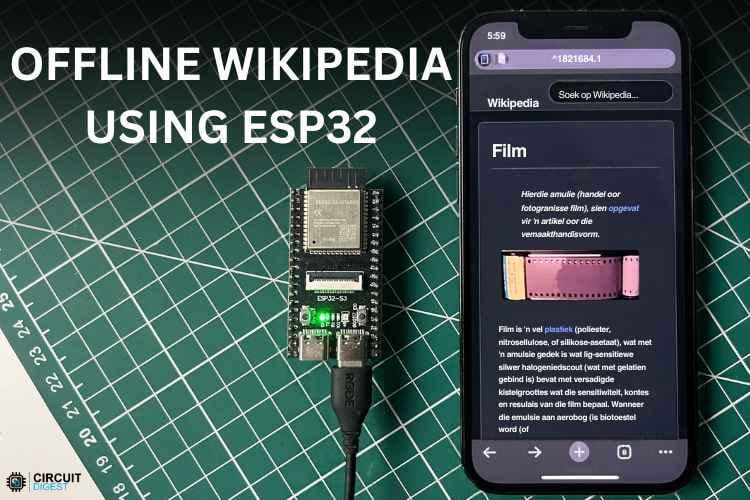
How to Run Wikipedia Offline on ESP32 These days, we are heavily dependent on cloud computing, high-speed internet and all. We rarely think about what happens if the internet goes down or what happens in areas where the network is not reachable or information access is very difficult. The main solution is having the data and its processing locally so that they are reachable anytime, even without internet… |
|
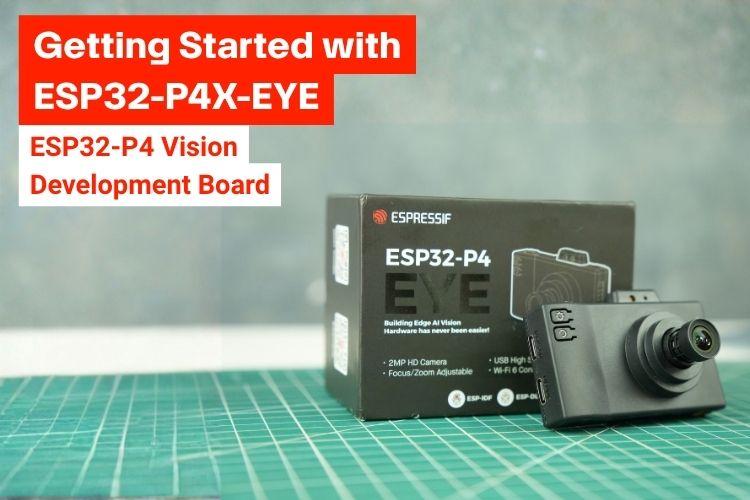
Getting Started with ESP32-P4X-EYE: ESP32-P4 Vision Development Board Vision development boards are useful when an embedded project needs to combine image capture, local display, audio input, storage and wireless connectivity in a single platform. The ESP32-P4X-EYE takes this approach around the ESP32-P4, adding an ESP32-C6 wireless module, a 2MP MIPI-CSI camera, a 1.54-inch SPI LCD, a digital microphone, MicroSD storage, USB… |
|
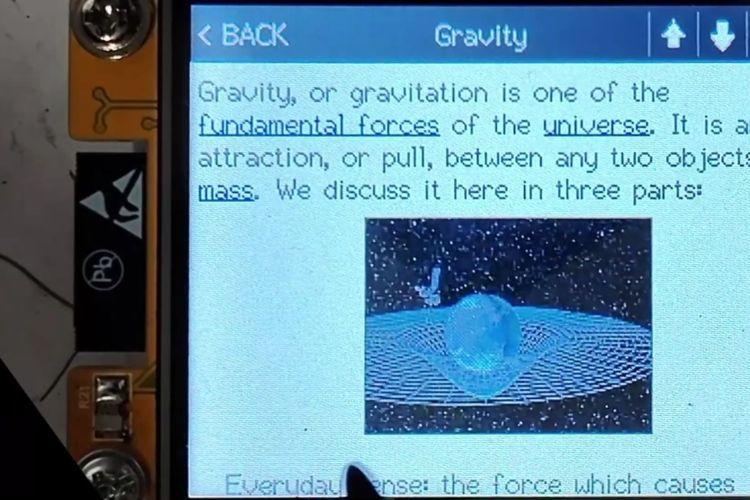
Maker Builds an Offline Wikipedia Using an ESP32 Board and Its Built-In microSD Card Slot to Store Data Alun Morris’s Offline-Wikipedia using ESP32 is an open-source project that turns the inexpensive ESP32-2432S028, commonly called the “Cheap Yellow Display” or CYD, into a standalone Wikipedia reader. The hardware combines an ESP32 microcontroller with a 320×240 ILI9341 color display, an XPT2046 touchscreen, and a microSD card interface. Instead of depending on Wi-Fi or cloud services, the… |
|
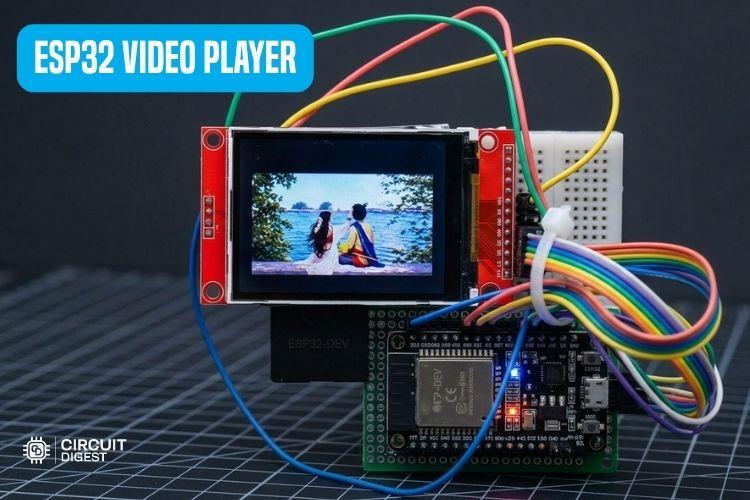
ESP32 Video Player: SD Card to TFT Display Playing smooth, full-motion video on low-power microcontrollers has been challenging due to memory and processing limitations. But with the dual-core speed, high SPI clock rates and an optimized decoding library on the ESP32, you can turn a simple development board into a working video player. If you want to create custom animations or add dynamic visual UI elements… |

|
How to Build an IoT-Based Parking Space Detection System Using Raspberry Pi and CircuitDigest Cloud Everybody likes weekends. On weekends, you often drive with your family to crowded places like malls, theme parks, or circuses for outings and relaxation. But then comes one of the most frustrating parts of the trip: searching for parking. Sometimes, finding a parking space feels even harder than waking up early in the morning.Even if there is a security guard or… |

|
How to Make a Raspberry Pi Waste Segregation System Using CircuitDigest Cloud Running, running, every day, we keep running to work, school, and college. In this busy routine, many of us do not even have enough time to eat breakfast properly. Then where do we find the time to clean our homes? Even when we clean, because of laziness or lack of time, we often throw all waste into the same bin without separating biodegradable and non-biodegradable waste. This creates a… |

|
How to do Object Detection with Raspberry Pi Using CircuitDigest Cloud What if a device could see the world the same way humans do, seeing objects, recognizing them, and understanding what they are in real time? Just like our eyes capture visuals and our brain instantly processes them, from bottles and phones to people and everyday items. It will be pretty cool, right? That is exactly what this Raspberry Pi object detection project demonstrates. You can build a… |

|
How to Build Helmet Detection with Raspberry Pi Using CircuitDigest Cloud As adults, it is our duty to follow traffic rules, and the most important rule is to wear a helmet while riding a two-wheeler and not to cross the speed limit. It's not a rule, but it's also for safety. Now, let’s think from the traffic police officer’s side. Their duty is to monitor traffic and check whether everyone is following the rules, but it is quite difficult for a traffic officer to… |

|
How to Build a Face Detection System Using a Raspberry Pi and CircuitDigest Cloud When we see movies, we often see scenes where a villain uses a gun with a face detection system that automatically targets a person accurately. It may look like a very complex technology that is difficult to build on our own, right? Not anymore. Building a face detection system using a Raspberry Pi might sound like something out of a Hollywood thriller, but it… |

|
This DIY Voice Recorder Uses AI to Turn Spoken Ideas into Summarized Notes A maker recently built a compact portable voice recorder designed specifically for capturing ideas before they are forgotten. Instead of relying on a smartphone app, the project focuses on a dedicated hardware workflow built around an ESP32, combining local audio recording with AI-based transcription and summarization. The device records audio directly to an SD card, provides onboard playback… |

|
HackyFi: The Pocket-Sized Hacker’s Toolkit HackyFi, one of the tiniest yet most capable USB-C development dongles built for hackers, makers, educators, and security researchers. Powered by the Raspberry Pi RP2350A microcontroller, the ultra-compact device integrates a 0.85-inch LCD screen, dual programmable buttons, RGB status LED, 2MB onboard flash, and a microSD card slot all inside a keychain-sized form factor. Designed to challenge… |
|
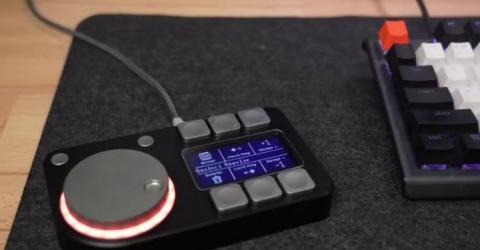
A Smart Macro Pad with Haptic Feedback Ever thought of controlling your computer using buttons and a knob that actually feel different when you use them? Most input devices, like keyboards and mice, only give visual feedback on the screen and do not provide any physical sensation to indicate how an action feels. The Macropad changes this experience by adding the sense of touch to everyday computer controls. This is a six-button… |
