
maker project
|
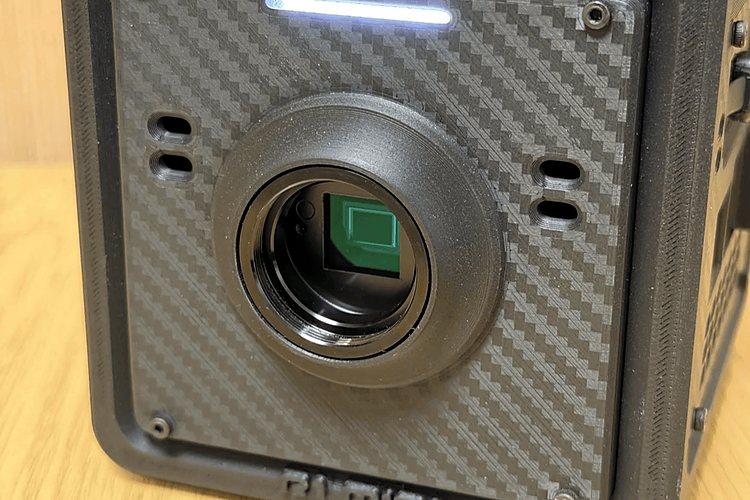
This 10 cm Cube Is a Raspberry Pi 5 Camera That Shoots RAW Video and Takes C-Mount Lenses Most digital cameras are closed boxes: you get the buttons, menus and file formats the maker chose. Reddit user jpotter124 built the opposite. The R1 Mini is a 100 mm cube with a Raspberry Pi 5 inside, an interchangeable-lens HQ camera sensor at the front and real buttons for the settings photographers change most. It shoots RAW DNG stills and CinemaDNG video, runs for five to six hours while… |
|
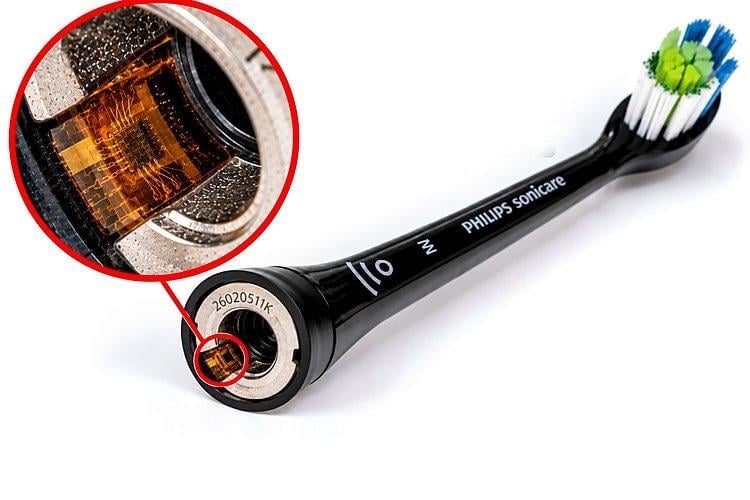
Your Sonicare Brush Head Has an NFC Chip That Logs Brushing Time, and It Can Unlock a Mac A toothbrush head is a plastic stick with bristles, so why does Philips put a microchip in it? YouTuber Circuit Helper wanted to know, so he built a small NFC reader, read what a Sonicare brush head stores about the person using it, rewrote that data, and finally used an old brush head as a key to unlock his Mac. The chip sits under a small brown dot near the base of the head and needs no… |
|
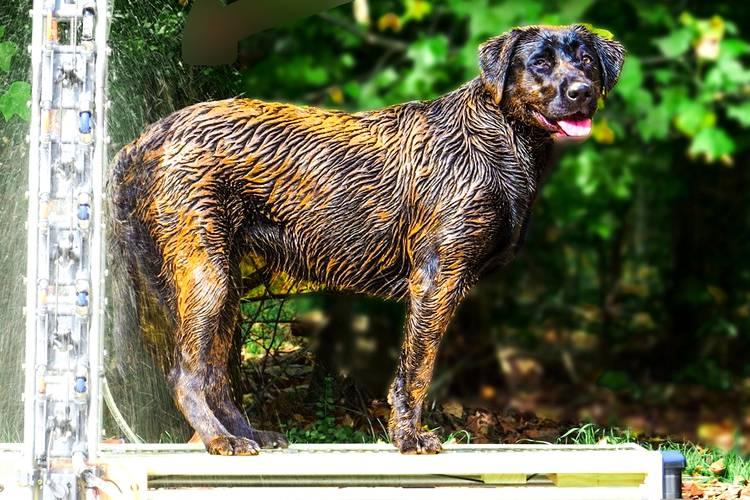
Stuff Made Here Built an Arduino-Run Car Wash for His Muddy Dog, and the Dog Said No Anyone who has washed a muddy dog knows the real problem is not the mud on the dog. It is the shake that puts the mud on you. Shane Wighton of Stuff Made Here tackled it the way he tackles everything: he built a machine. His new video shows a car-wash-style rig for dogs, with an arch of moving nozzles that scans along a platform and sprayers underneath for the parts a hose never reaches. It… |
|
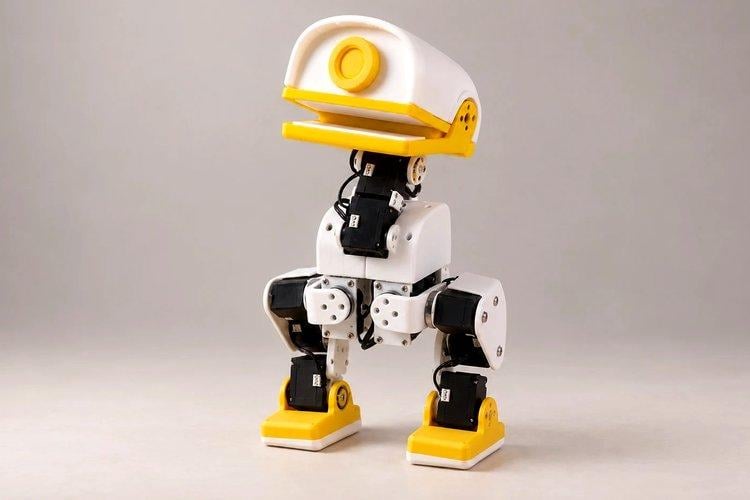
This 3D-Printed Robot Duck Learned to Walk With a Neural Network, and Now It Kicks a Ball Most small walking robots replay hand-tuned servo sequences. XGO-Duck, an open-source biped from Luwu Dynamics, the team behind the XGO robot dogs, walks on a neural network policy instead. The network runs on the Linux side of an Arduino UNO Q, while the board's STM32 microcontroller handles the 15 serial bus servos and the orientation feedback. This weekend the team posted a clip of the duck… |
|
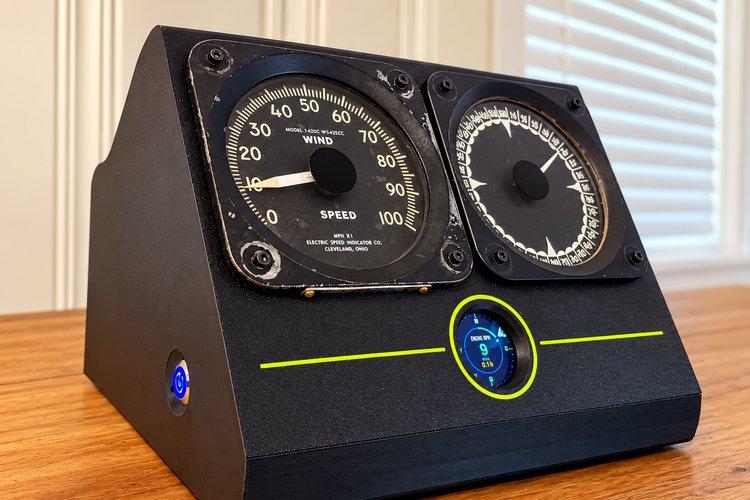
A Maker Saved Two Wind Gauges From a Demolished Airport Tower and Gave Them an ESP32 Brain When his local airport tore down its old control tower, one maker got the chance to salvage two vintage wind meters from the controllers' console: a wind speed dial (0-100 mph) and a wind direction dial (0-360 degrees), both heavy steel cans with glass faces and night lamps. Instead of putting them on a shelf, he made them show live wind again, fed from his own weather station and driven by a… |
|
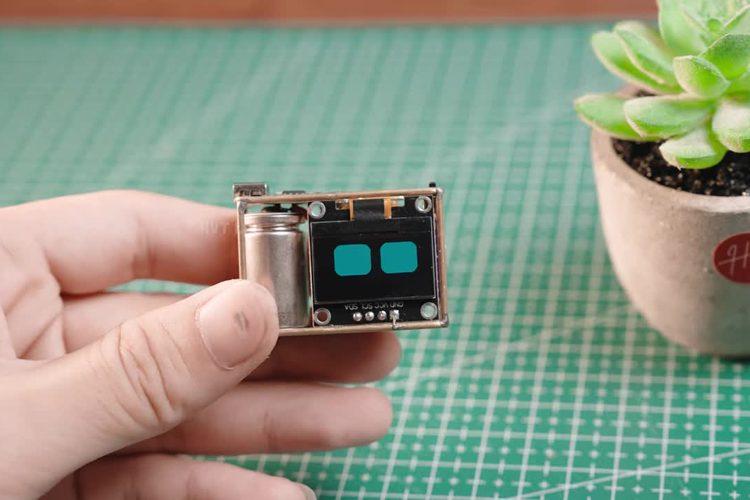
This Pocket AI Assistant Fits Between Two Fingers: An ESP32-C3, an OLED and a Brass Frame Most DIY AI voice assistants end up as a dev board in a plastic box. Huy Vector of HVT Lab went the other way and built a talking assistant about the size of two fingers, soldered into an open frame of brass wire and tubing. An ESP32-C3, a 0.96-inch OLED face, a microphone, a smartphone speaker and a rechargeable battery are all it takes to hold a spoken conversation. … |
|
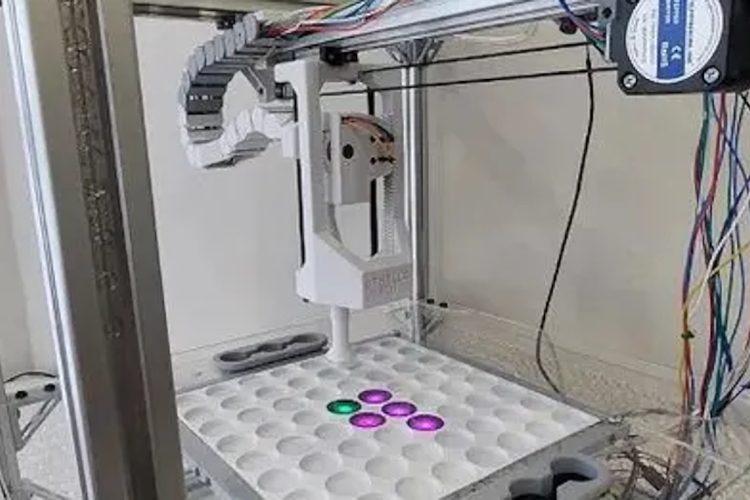
This Robot Plays Othello Without Flipping a Single Disc, Thanks to 64 Color-Changing LEDs In Grade 11, maker Jeneus tried to write an Othello program in C++. It ended up buggy and the computer could only play random moves. Years later, with mechatronics skills, he turned that failure into Othellobot: a gantry robot that watches the board with a camera, picks its move and places clear tokens with a suction cup. The smart part is that it never flips a disc. Every cell has its own LED… |
|
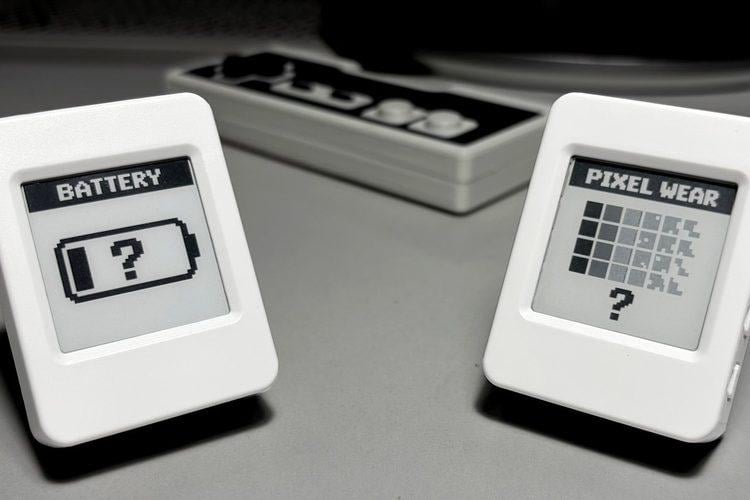
Is 30 FPS Killing E-Paper? A Maker Ran 2.16 Million Frames on an ESP32-S3 to Find Out E-paper is supposed to be slow: great for shelf labels and e-readers, terrible for games. So when makers started running Game Boy games at 30 frames per second on cheap e-paper boards, two questions came up fast. Does the display eat the battery, and does it wear out? Bo Made It, who wrote the fast driver in the first place, measured both on a Waveshare ESP32-S3-ePaper board. The answer to the… |
|
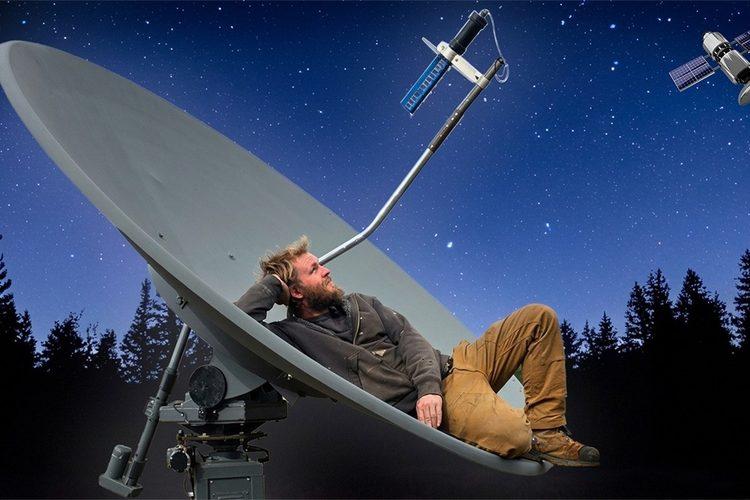
A Wheelchair Motor and a Raspberry Pi Turn an Old 8-Foot Dish Into a Satellite Ground Station Big satellite dishes from the 80s and 90s still sit in fields everywhere, usually rusting. YouTuber and fabricator Cranktown City found an eight-foot one and turned it into a working satellite ground station on his new plot of land, with a Raspberry Pi doing the aiming and the decoding. The build video has passed 220,000 views. Pointing an eight-foot dish… |
|
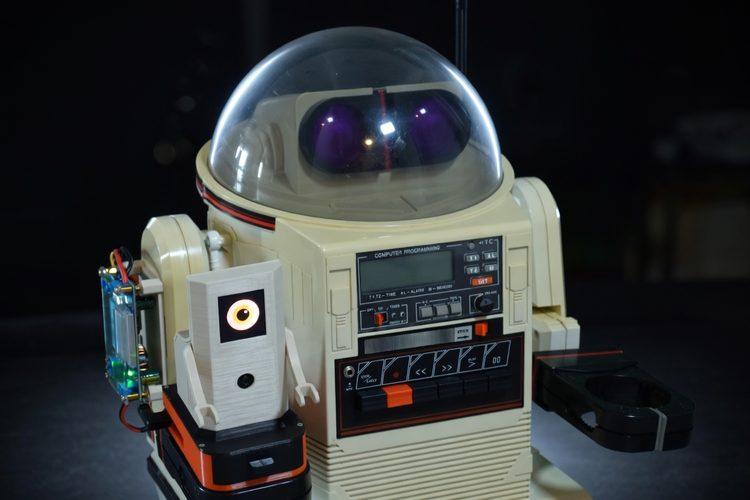
A 1984 Tomy Omnibot Gets a Raspberry Pi 5 Brain and an AI Camera That Knows 80 Objects In 1984, Tomy sold the Omnibot as the robot butler of the future. It could roll around, play cassette tapes and carry drinks on a tray, but it had no real intelligence: everything came from a remote or a pre-recorded tape. Forty-two years later, maker Mario Cruz has given a donated Omnibot at Moonlighter FabLab in Miami the brain it was promised, using a Raspberry Pi 5, the Raspberry Pi AI… |

|
Instead of a $40,000 Electric Pickup, This Maker Bought a 100,000-Mile BMW i3 at Auction and Cut It Into a Mini EV Truck Small, cheap electric pickups barely exist yet, so Michael Pick made one. He bought a 2017 BMW i3 REx with more than 100,000 miles on it from an online auction, sight unseen, cut away the back half of its cabin and turned it into a two-seat electric pickup with a real load bed. His target was a usable electric truck for under $10,000 in total, with more than 300 miles of combined range from… |
|
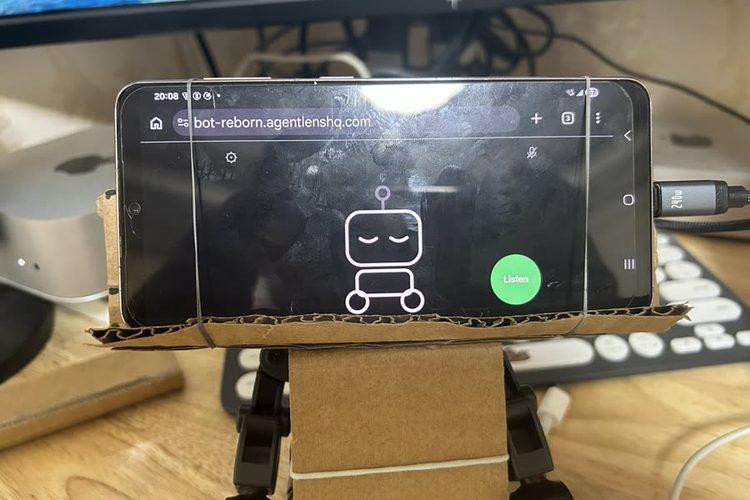
A Maker Turned a $4 Toy Robot Into an AI Companion for a Kid, and a Tiny 0.8B Model Makes It Stop in 200 ms Talking robots usually have a lag problem: by the time a large language model has decided what "stop" means, the robot has already hit the wall. Maker Asten (beasaltfish) ran into exactly this while turning a $4 toy robot into a voice-controlled AI companion for their kid, and fixed it with a second, much smaller model. A fine-tuned 0.8-billion-parameter "reflex" model hears every command… |
