
ESP32
|
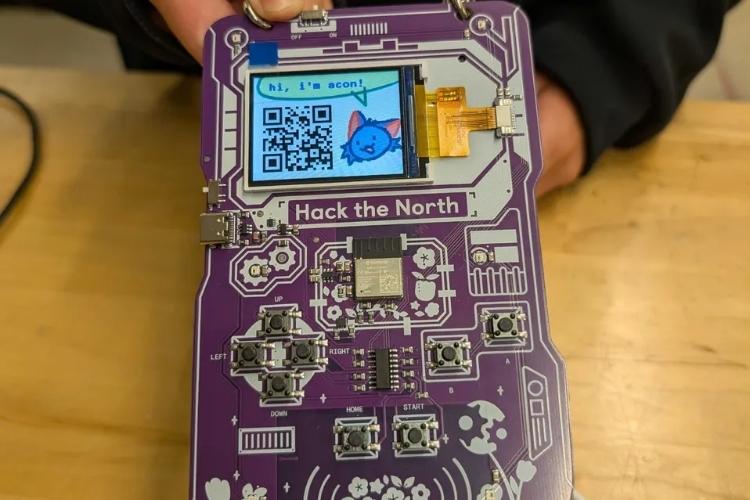
These ESP32-Powered PCB Badges Run Among Us and Let Hackathon Participants Build Their Own Games A simple event badge can do more than display a name. Nick Ficara designed and developed programmable electronic badges for Hack the North, a major student hackathon in Canada, after being approached by Alex, a project manager at the event. Unlike ordinary event badges that only display a name or event logo, this ESP32-powered hacker badge works as a small computer that participants can… |
|
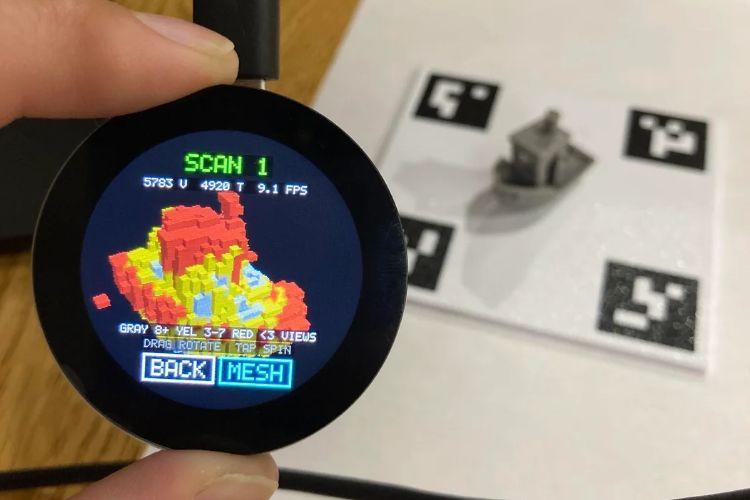
ESP32-S3 3D Scanner Brings Budget Space Carving and 3D Mesh Generation to Embedded Hardware Projects A recent project shared on reddit - r/esp32 showcases how much computer vision potential can be squeezed out of inexpensive, low-power hardware. Built around a Seeed Studio XIAO ESP32-S3 board paired with its dedicated round screen extension, the handheld device doubles as a self-contained 3D object scanner. Originally intended as a platform for an augmented reality game, the creator pivoted… |
|
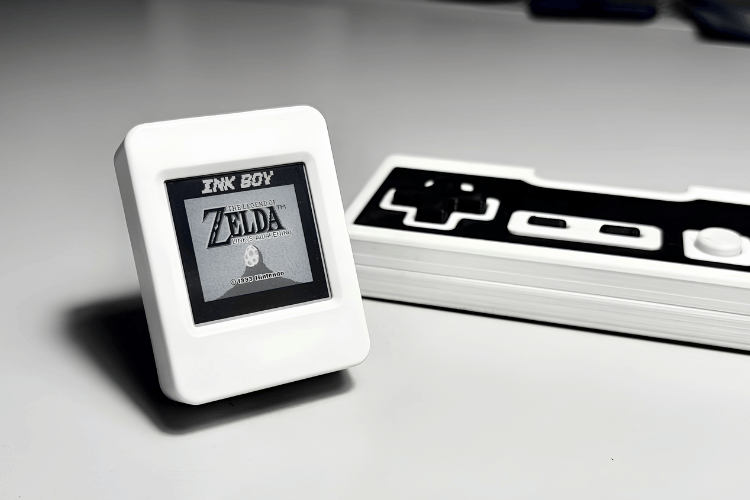
ESP32-S3 E-Paper Board Runs a Game Boy Emulator at 30 FPS. It Barely Hit 2 FPS Before a Custom-Built Driver A developer who goes by kuslota has released InkBoy, a custom display driver and firmware that runs a Game Boy emulator at around 30 frames per second on Waveshare’s ESP32-S3-ePaper-1.54 V2 board. Waveshare specifies about 300 ms for a partial refresh on the board’s 200x200 panel, and the stock driver managed barely 2 fps in the developer’s testing. The code is on GitHub under an MIT license… |
|
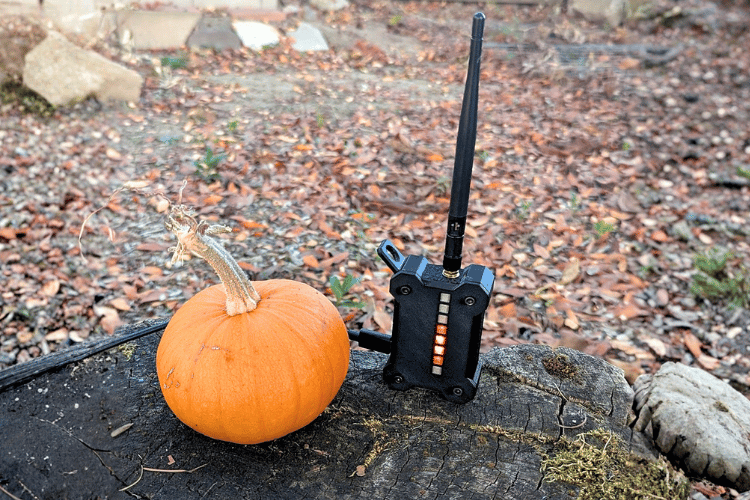
SignalSweep: Open-Source BLE and Wi-Fi Scanner on ESP32-C5 That Can Detect AirTags, Flock Cameras and Drones SignalSweep, an open-source project published on GitHub by a developer using the handle B0z0dcl0wn, turns a Seeed Studio XIAO ESP32-C5 into a pocket-sized scanner for trackers, surveillance hardware and drones. It is licensed GPL-3.0-or-later. The C5 is the main target because it can listen to both 2.4 GHz and 5 GHz Wi-Fi alongside Bluetooth LE, and the developer argues that more cameras and… |
|
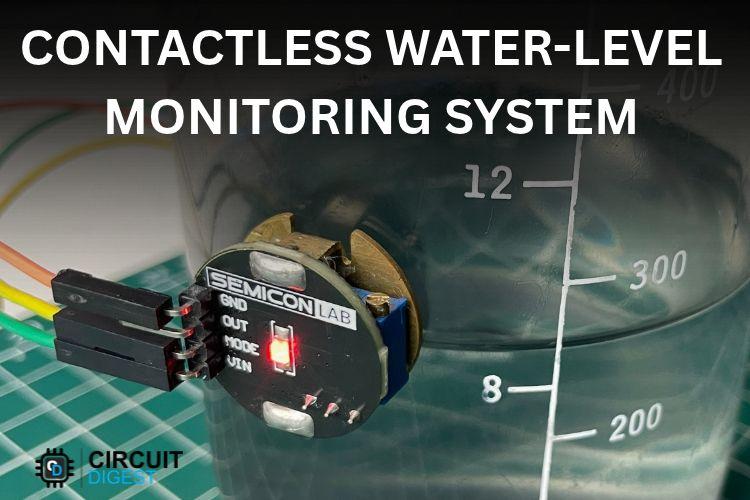
Smart Contactless Water-Level Monitoring System Using SemLab-CLS-24BP The SemLab Contactless Liquid Level Sense Module is an open-source, liquid level sensor designed for non-invasive fluid detection. By utilising capacitive sensing, the sensor detects the presence of liquid inside a container or pipeline without making direct contact with the fluid. This non-contact design prevents sensor corrosion, contamination, and degradation… |
|
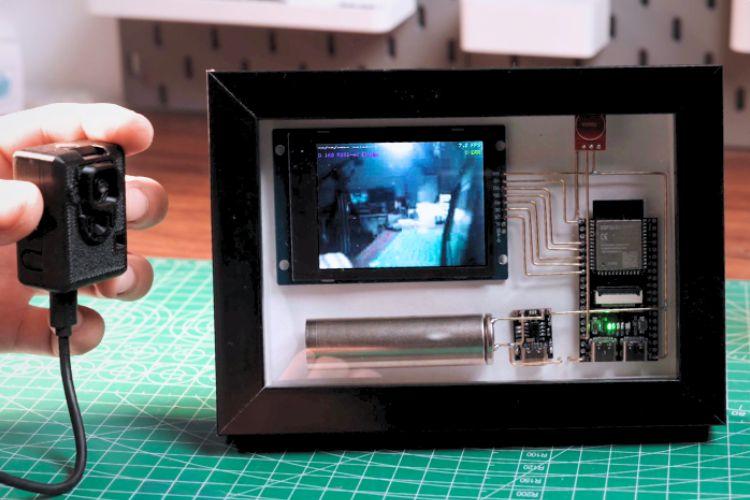
Maker Built a DIY ESP32 Security Camera With a Picture Frame Display and Shared the Custom Firmware Building a custom, low-cost home security setup no longer requires expensive commercial hardware or subscription fees. Using two inexpensive ESP32 microcontroller boards, HVT Lab and Huy Vector from Youtube recently built a fully functional, self-contained wireless video surveillance system. The setup features a dedicated ESP32-CAM module mounted at an entry point such as a front gate which… |
|
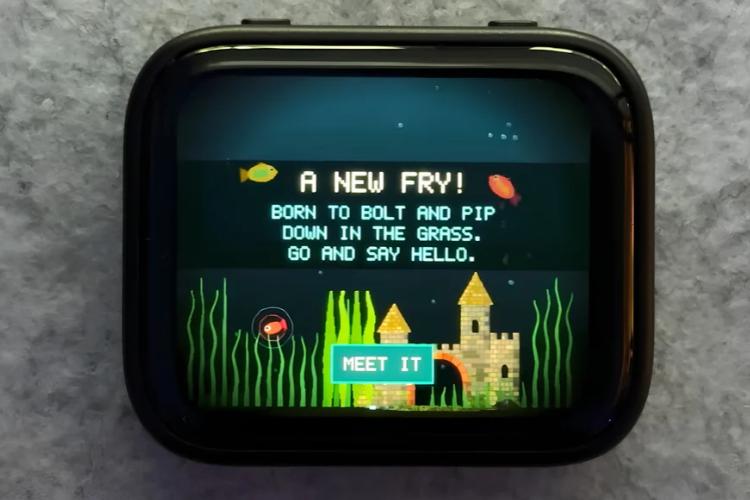
Open-Source Pocket Tank Runs a 14.3M-Parameter AI Model on an ESP32-S3 to Give Virtual Fish Their Own Brains Pocket Tank is an open-source virtual fish tank that uses a small AI model to control its virtual fish. It runs on an ESP32-S3 and creates a small aquarium where fish can eat, explore, rest, follow other fish, play, and interact with each other. Each fish has different values such as hunger, energy, curiosity, stress, boredom, and trust, which can change how it behaves. The project was created… |
|
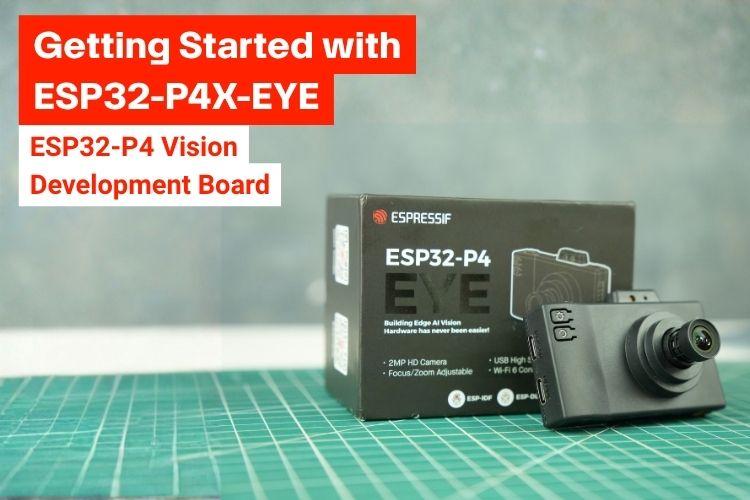
Getting Started with ESP32-P4X-EYE: ESP32-P4 Vision Development Board Vision development boards are useful when an embedded project needs to combine image capture, local display, audio input, storage and wireless connectivity in a single platform. The ESP32-P4X-EYE takes this approach around the ESP32-P4, adding an ESP32-C6 wireless module, a 2MP MIPI-CSI camera, a 1.54-inch SPI LCD, a digital microphone, MicroSD storage, USB… |
|
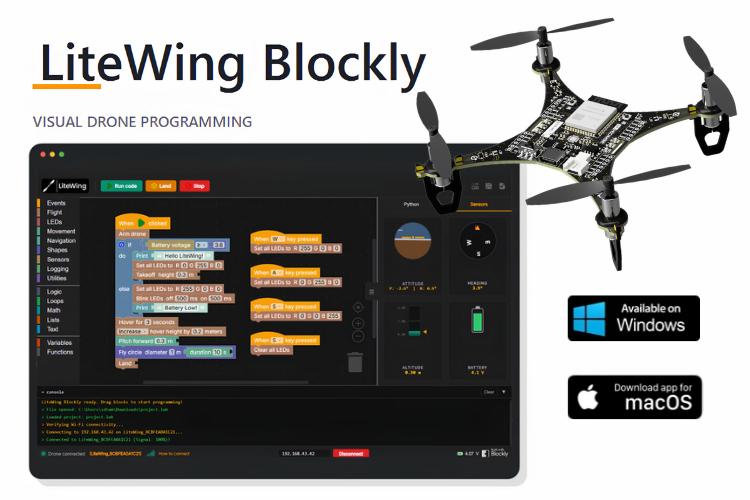
LiteWing Blockly Brings Drag-and-Drop Programming to the LiteWing ESP32 Drone SemiconLab has introduced LiteWing Blockly, a visual programming application that lets users create autonomous LiteWing drone programs with drag-and-drop blocks instead of writing code from scratch. The software is designed to make drone programming more accessible for students, beginners, makers, and educators, while also showing the Python code generated by each block arrangement in real… |
|
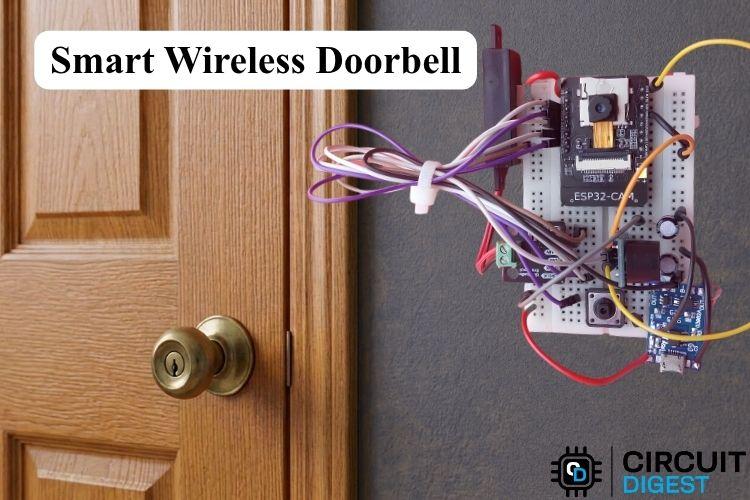
How to Build a Smart Wireless Doorbell System Using IoT Missing a visitor at the front door usually means missed package deliveries, keeping friends waiting outside, or missing unexpected guests. Standard doorbells only work if we happen to be sitting nearby and the chime is loud enough to hear. If we are stuck in a work meeting, listening to music with headphones, or away from home, it is easy to miss the ring, leaving… |
|
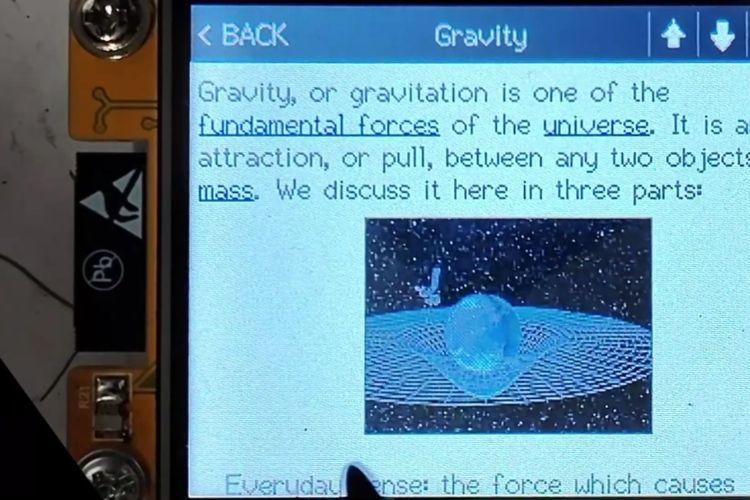
Maker Builds an Offline Wikipedia Using an ESP32 Board and Its Built-In microSD Card Slot to Store Data Alun Morris’s Offline-Wikipedia using ESP32 is an open-source project that turns the inexpensive ESP32-2432S028, commonly called the “Cheap Yellow Display” or CYD, into a standalone Wikipedia reader. The hardware combines an ESP32 microcontroller with a 320×240 ILI9341 color display, an XPT2046 touchscreen, and a microSD card interface. Instead of depending on Wi-Fi or cloud services, the… |
|
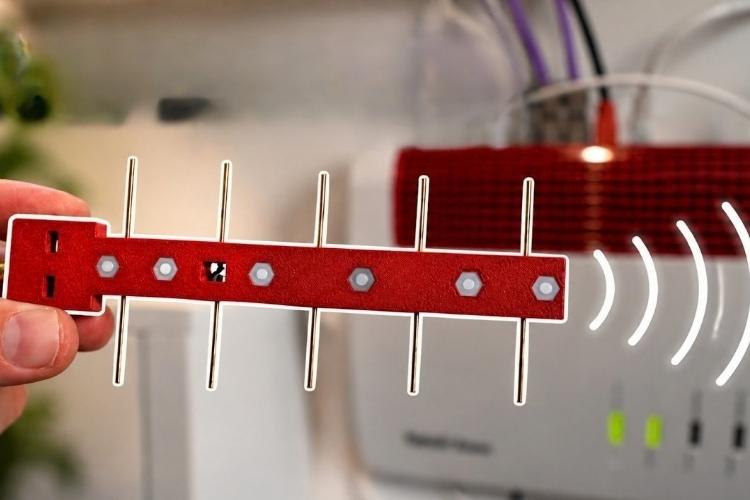
A Maker Built a 2.4GHz DIY Yagi With 1mm Brass Rods That Improved ESP32 RSSI From −65dBm to −52dBm A maker has built and tested a DIY 2.4-GHz directional Wi-Fi antenna using a 3D-printed frame and simple brass rods, showing how antenna geometry can significantly change the performance of an ESP32 wireless link. The experiment uses two ESP32 boards, with one acting as a Wi-Fi transmitter powered by a power bank and the other connected to a computer as the receiver. The receiver measures RSSI… |
