
Programming
|
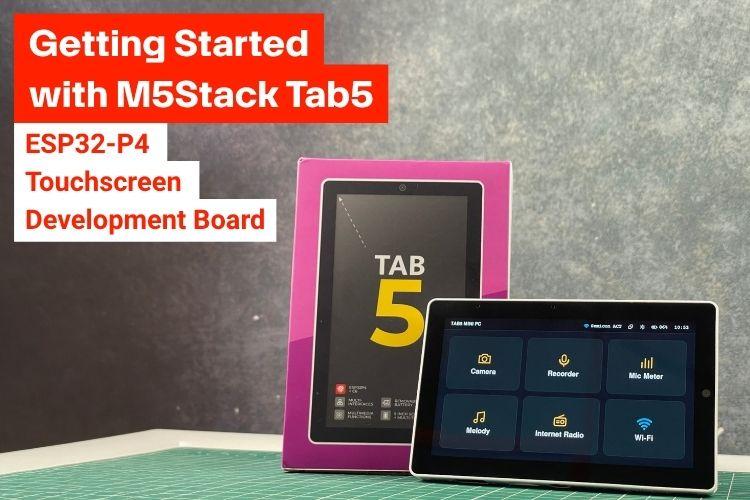
Getting Started with M5Stack Tab5: ESP32-P4 Touchscreen Development Board Large touchscreen development boards are useful when a project needs more than a microcontroller and a few expansion pins. A display, camera, audio system, wireless connectivity, storage and industrial interfaces can turn the development board itself into the starting point for a complete embedded product. The M5Stack Tab5 takes this approach with a 5-inch 1280 × 720… |
|
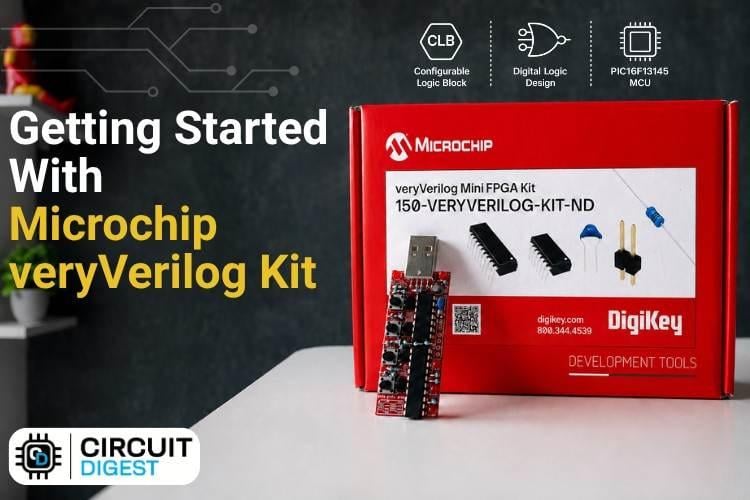
Learn FPGA Design with the Microchip veryVerilog Kit: From Setup to Your First Design Most engineers who work with microcontrollers eventually run into the same challenge. A project needs to respond faster than firmware can, or it requires several digital signals to be combined in hardware. While these tasks can often be handled with interrupt service routines or external logic ICs, the solution quickly becomes complex as the design grows. This is… |
|
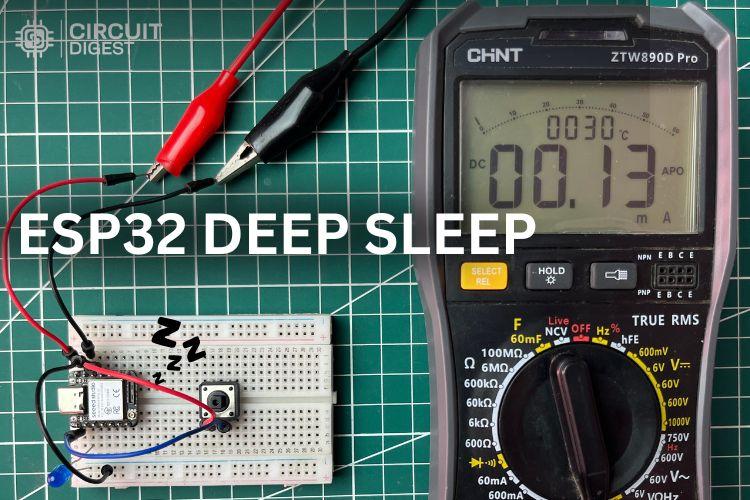
How to use ESP32 Deep Sleep Mode for Low Power Consumption We have built several ESP32 projects using different ESP32 development boards. But these boards come with a power-saving mode called deep-sleep mode. Let's try to understand deep sleep on the ESP32 with an example. Take an example of a laptop. When it's in use, the fans spin at high speed, the display is on, some apps run in the background, and the battery drains fast. But when we close the… |
|
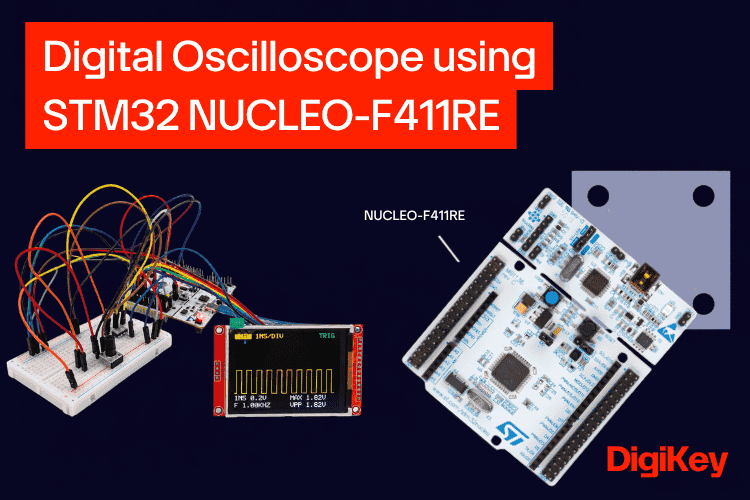
How to Build a DIY Digital Oscilloscope using STM32 Microcontroller An oscilloscope is the one instrument every electronics engineer reaches for when a circuit misbehaves. A multimeter tells you a single number, but an oscilloscope shows how a voltage changes over time: the shape of a PWM signal, the bounce of a switch, or the ripple on a sensor output. Bench oscilloscopes are expensive, though, and the best way to understand how one… |
|
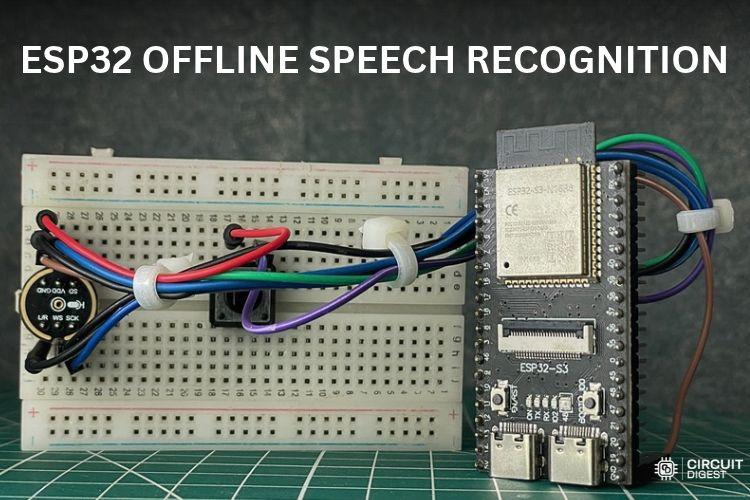
How to Build an ESP32 Offline Speech Recognition Speech recognition models like OpenAI’s Whisper offer high levels of accuracy, but their base model itself consumes up to 140MB and running them on a low-end device like an ESP32 is difficult. In this tutorial, we are going to run Cactus Compute’s Whistle Speech-to-Text Model launched on 2nd of October 2026. The actual size of the model is 16.9MB, which won't fit… |
|
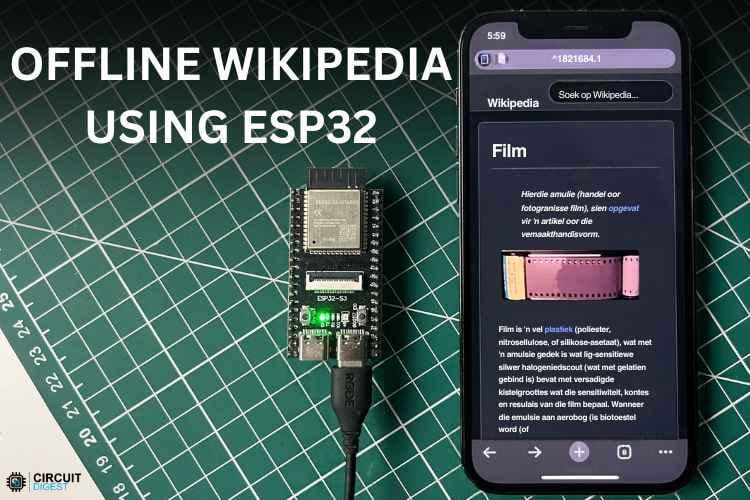
How to Run Wikipedia Offline on ESP32 These days, we are heavily dependent on cloud computing, high-speed internet and all. We rarely think about what happens if the internet goes down or what happens in areas where the network is not reachable or information access is very difficult. The main solution is having the data and its processing locally so that they are reachable anytime, even without internet… |
|
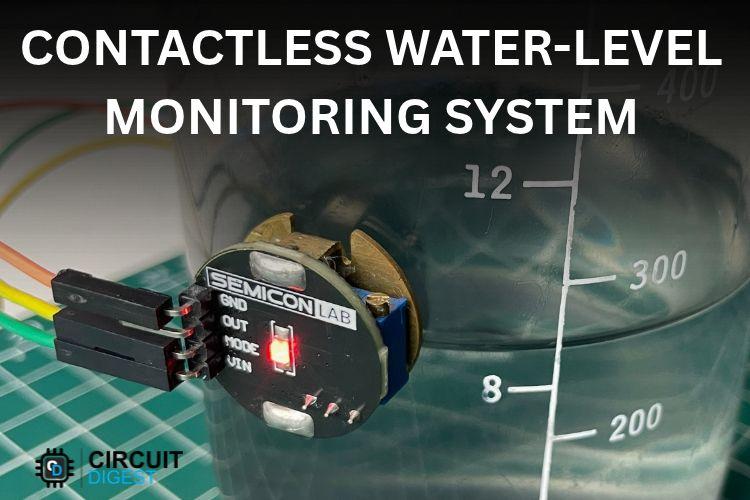
Smart Contactless Water-Level Monitoring System Using SemLab-CLS-24BP The SemLab Contactless Liquid Level Sense Module is an open-source, liquid level sensor designed for non-invasive fluid detection. By utilising capacitive sensing, the sensor detects the presence of liquid inside a container or pipeline without making direct contact with the fluid. This non-contact design prevents sensor corrosion, contamination, and degradation… |
|
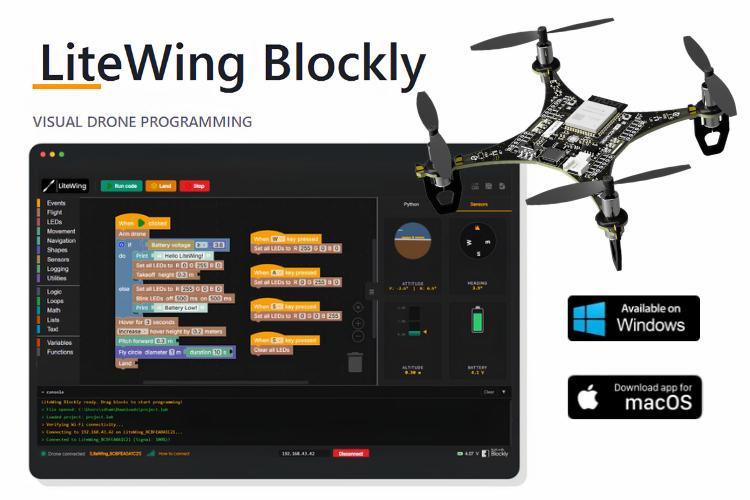
LiteWing Blockly Brings Drag-and-Drop Programming to the LiteWing ESP32 Drone SemiconLab has introduced LiteWing Blockly, a visual programming application that lets users create autonomous LiteWing drone programs with drag-and-drop blocks instead of writing code from scratch. The software is designed to make drone programming more accessible for students, beginners, makers, and educators, while also showing the Python code generated by each block arrangement in real… |
|
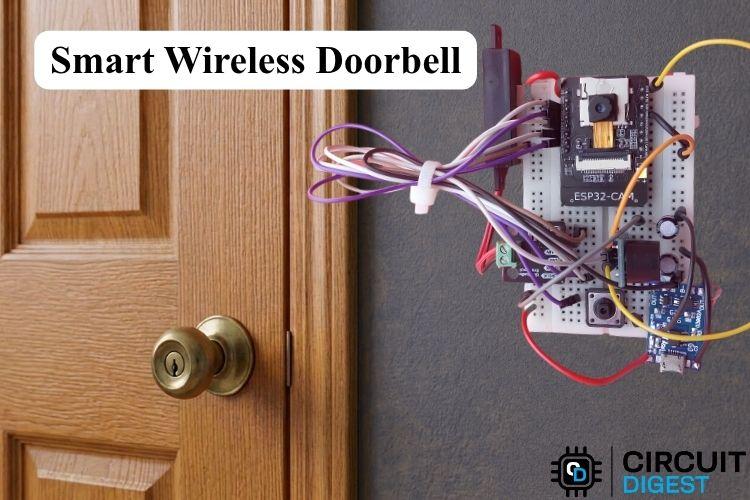
How to Build a Smart Wireless Doorbell System Using IoT Missing a visitor at the front door usually means missed package deliveries, keeping friends waiting outside, or missing unexpected guests. Standard doorbells only work if we happen to be sitting nearby and the chime is loud enough to hear. If we are stuck in a work meeting, listening to music with headphones, or away from home, it is easy to miss the ring, leaving… |
|
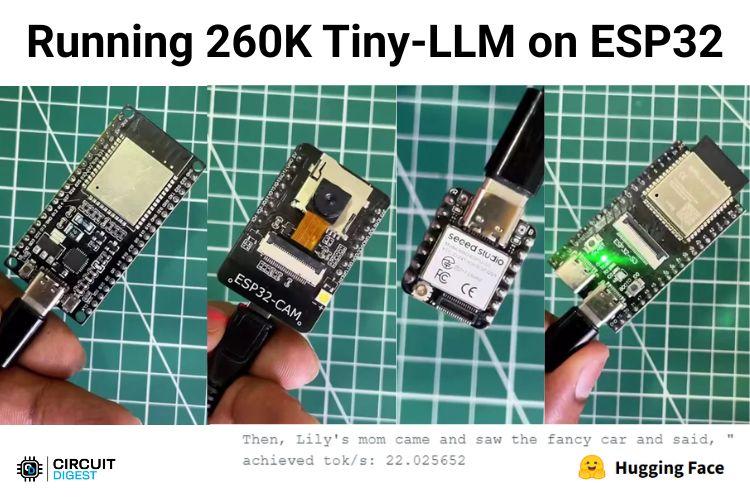
Running 260K Tiny-LLM on ESP32 We are all facing a huge transition in tech due to AI. In projects, we can run AI models on PCs, SBCs or even Cloud servers. In this tutorial, we are trying to see if we can run an AI model on a microcontroller board like the ESP32. To test this out, we are going to deploy and benchmark the 260K-parameter Tiny-LLM by Andrej Karpathy using his open-source llama2.c… |
|
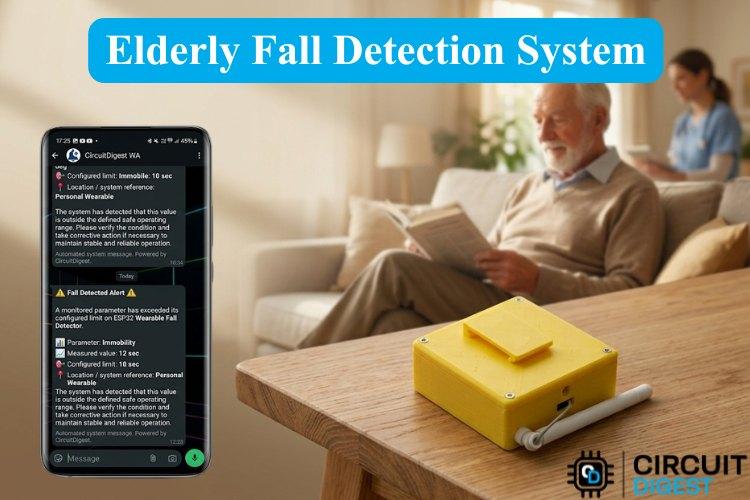
How to Build an Elderly Fall Detection System with XIAO ESP32-S3 When an ageing parent falls at home, the immediate injury is usually only half the danger. The real danger begins during the critical time they spend waiting on the floor for help. Lying immobile for extended periods can rapidly lead to severe dehydration, hypothermia, and muscle breakdown, even in homes where family members are regularly around. Expecting an injured… |
|
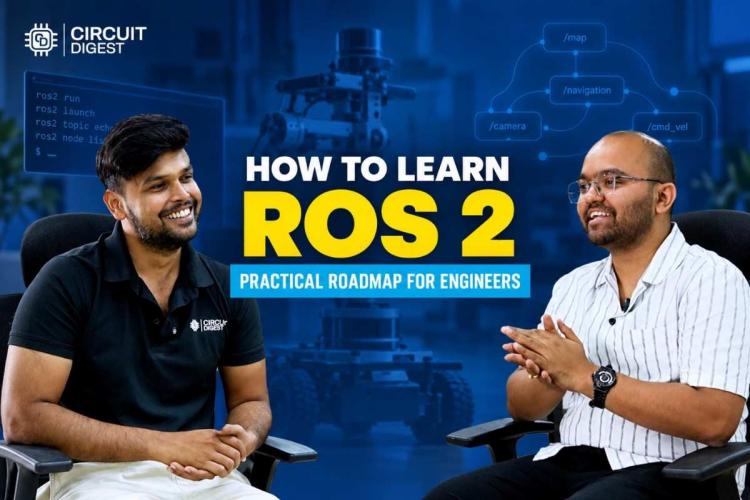
How to Learn ROS 2: A Practical Roadmap for Robotics Engineers ROS 2 has become one of the most important technologies for engineers interested in robotics. But beginners often struggle with the same questions: Should I learn ROS 1 first? Do I need a physical robot? Which programming language should I know? And is ROS actually used in production?We discussed these questions with Shubham Nandi, co-founder and Chief Research… |
