
open-source
|
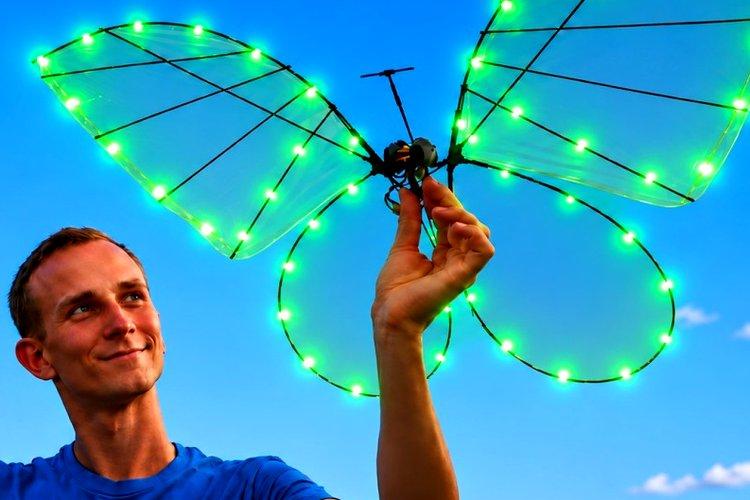
This 70 g Robot Butterfly Actually Flies, Flapping Two Servos From an ESP32-C3 Propellers make flying easy. Flapping wings do not. Maker Max Imagination still built ESP-FLUTTER, a 70 g remote-controlled butterfly that lifts off on its own wings, glows at night with LEDs along the wing edges, and can be flown from a phone browser. The firmware is open on GitHub, and the project was picked up by Hackster on 2 November. Two servos… |
|
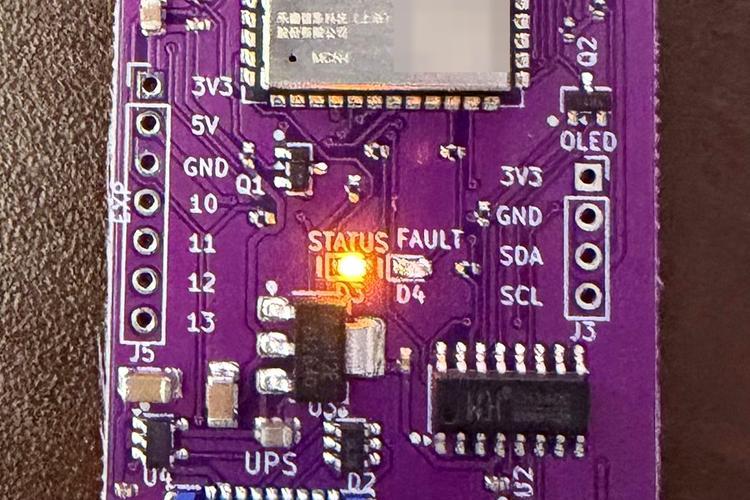
An Open-Source ESP32-S3 Board Puts a USB UPS on Your Network, With NUT and Tailscale Network cards for big UPS units are expensive, and running a full Raspberry Pi just to watch one UPS can feel like overkill. Reddit user Smooth_Ganache897 hit both problems: a garage UPS keeping a camera alive had a dead battery when it was needed, and a rack-mount APC unit needed a costly network card. The answer is ups-to-esp32, an open-source ESP32-S3 board that plugs into a UPS's USB port… |
|
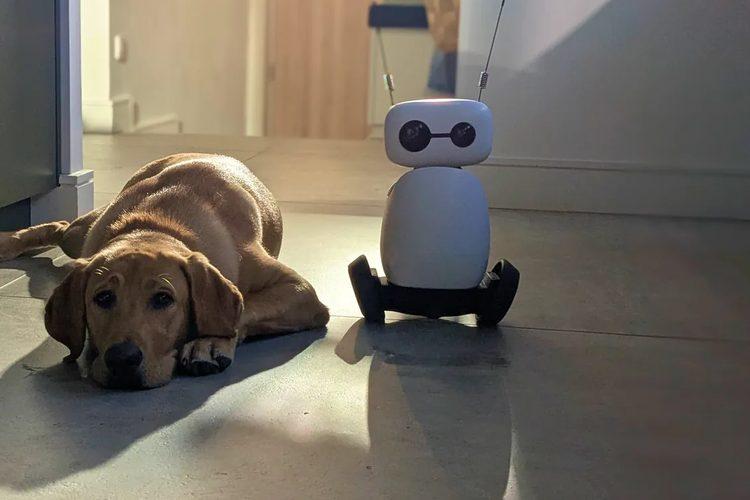
Hugging Face's Reachy Mini Robot Gets $149 Wheels and NFC Hats That Swap Its Personality Pollen Robotics, the Hugging Face robotics team behind the open-source Reachy Mini desktop robot, has launched "Level Up", a set of add-ons that let the little robot leave the desk. Announced on 29 October, it adds a two-wheeled Hoverboard base, NFC hats that switch the robot's personality, and iOS and Android apps. What is new Hoverboard, $149 (pre-order): a two-wheeled base with soft… |

|
This Open-Source 1.2 m Humanoid Runs on a Raspberry Pi 5 and a Radxa CM5, and After a Year of Building It Is Now Walking in Public Most humanoid robots you see walking on stage are closed products with closed software. Asimov 1 is the opposite. Menlo Research, a team in Singapore, has published the full mechanical CAD, electrical schematics and PCBs, simulation models, firmware and walking policy for its 1.2 m, 35 kg humanoid, and on day 366 of the project the robot was out in public at the SWITCH event in Singapore,… |
|
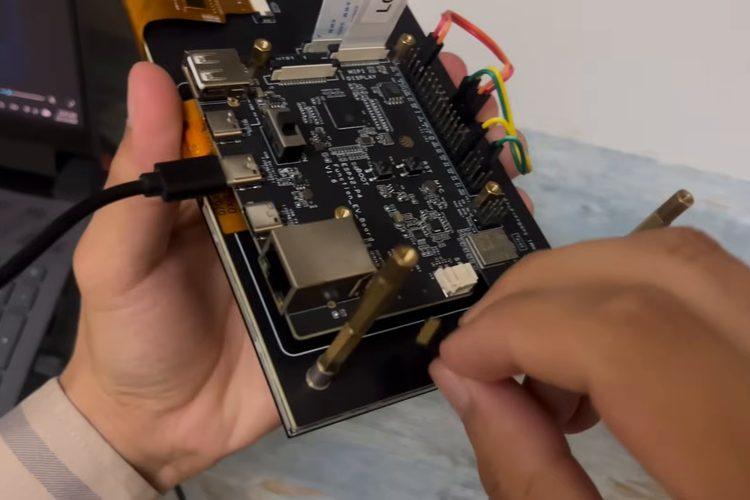
A $5 ESP32-P4 Chip Now Writes Down Everything You Say, Live and Offline, With About 4 Wrong Words in 100 Speech recognition on a microcontroller usually means a short list of fixed commands. Boumedine Billal has gone much further: his open-source project runs a full speech-to-text model live on an ESP32-P4, a chip that costs about $5. You talk into the board's microphone and any English sentence appears on its screen as you speak, with no Wi-Fi, no cloud and no neural accelerator. On the standard… |

|
Raspberry Pi Rescues Old Wi-Fi Radios: Open-Source HLS-to-MP3 Converter Hits v2.3 Plenty of perfectly good internet radios, including many built on Frontier Silicon modules, can play a plain MP3 stream over HTTP but have no idea what to do with an HLS (.m3u8) playlist. When a favourite station moves to HLS, the radio simply goes quiet. Clifford Farrugia built HLS Radio Converter to fix that. It runs on a Raspberry Pi on your home network, pulls the HLS stream, and hands the… |
|
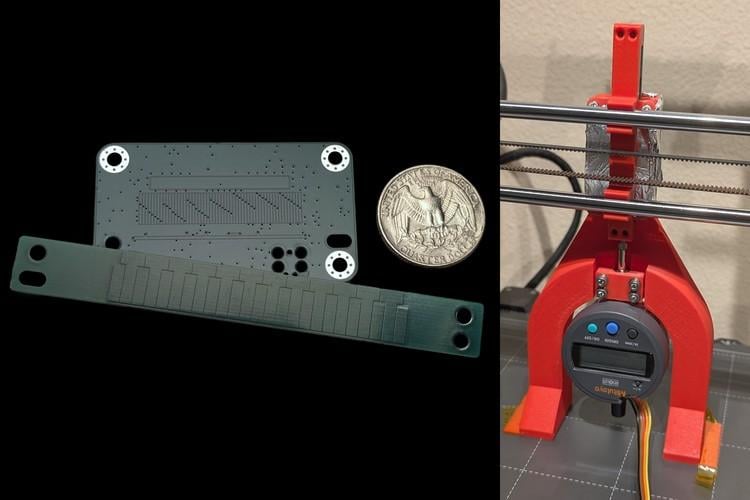
This $32 Open-Source PCB Encoder Measures Position to 40 µm Using the Same Trick as Your Digital Calipers Cheap digital calipers hide a clever capacitive encoder inside, and Nick Steele (nichlock) has turned that idea into an open-source linear scale you can build yourself. It is just two PCBs, a sensor board with an STM32L4 and a passive copper "reflector" strip, sliding about 0.1 mm apart. The maker rates it at 40 µm accuracy against a Mitutoyo digital indicator, and the build costs roughly $32… |
|
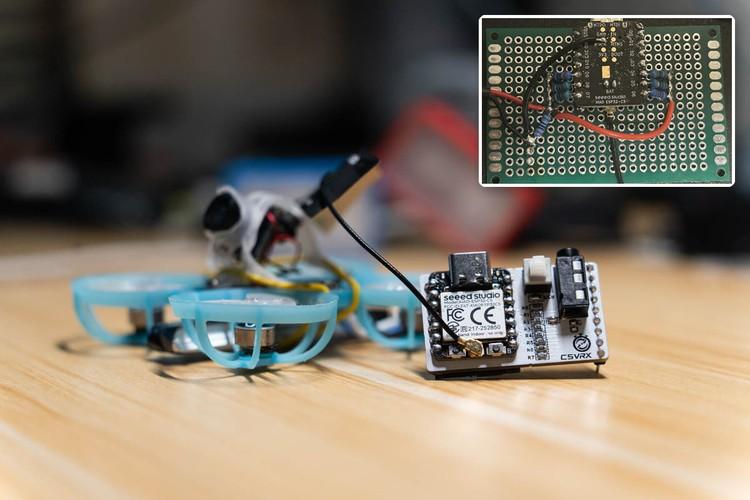
Seven Resistors and an ESP32-C5: This Open-Source FPV Receiver Uses the Wi-Fi Radio to Catch Analog Drone Video Analog FPV goggles normally need a dedicated 5.8 GHz receiver module, but Leon (Twotoz) has built one out of a Seeed Studio XIAO ESP32-C5 and seven resistors. His open-source C5VRX-5 firmware uses the ESP32-C5's own dual-band Wi-Fi radio to pick up the FM video from a drone's analog VTX, demodulates it, and pushes composite PAL or NTSC video out of six GPIO pins into your goggles, a DVR or a… |
|
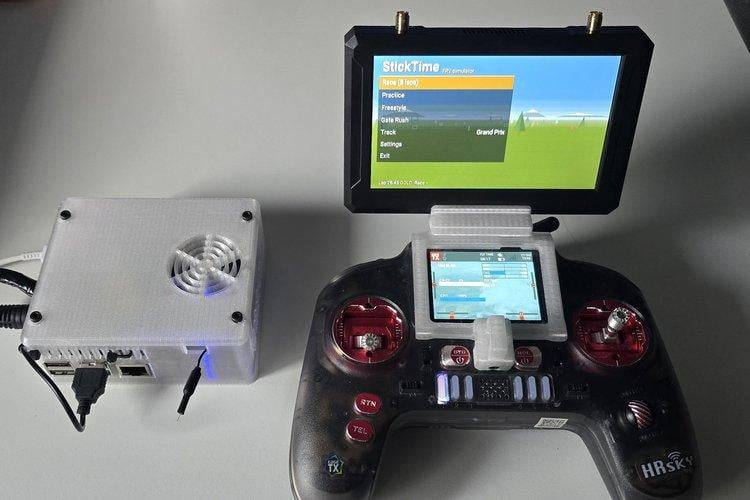
No PC, No Cables: This Raspberry Pi 4 Beams an FPV Drone Sim Straight Into Your Analog Goggles Developer juricabi has built StickTime Pi, an open-source project that turns a Raspberry Pi 4 into a "virtual quad". The Pi runs the StickTime FPV simulator and pushes the picture through a 5.8 GHz video transmitter (VTX) wired to its AV jack, so the game shows up in the same analog goggles you use for real flights. You fly it with your own radio over the ExpressLRS/Crossfire WiFi joystick,… |
|
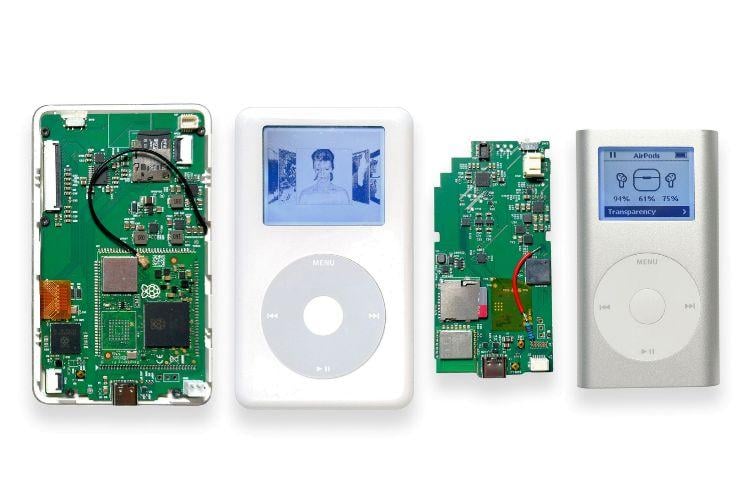
iPod Lives Again: Open-Source RPi Motherboard Adds Wi-Fi, Bluetooth, USB-C, 2TB Storage, Spotify, Apple Music & More For nearly two decades, vintage Apple iPods have been dormant in desk drawers, victims of dead batteries, obsolete charging cables, and retired iTunes libraries. Now, a London-based hardware startup called Certain Things is changing the narrative with Sprout, an open-source replacement motherboard that drags early-2000s music players kicking and screaming into the modern wireless era. Rather… |
|
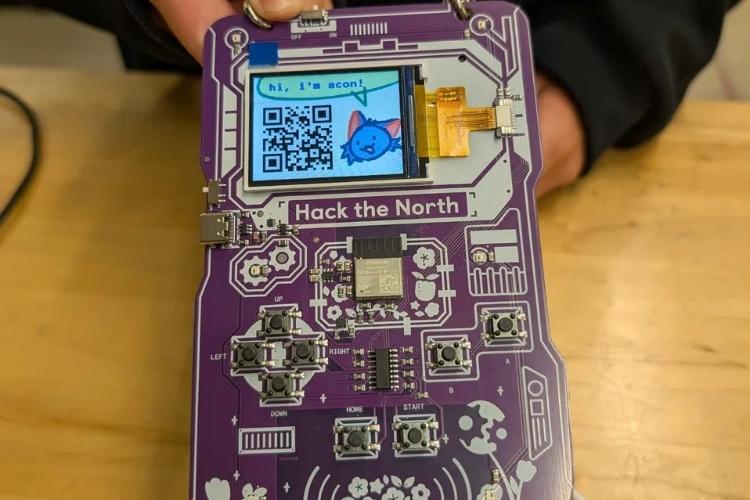
These ESP32-Powered PCB Badges Run Among Us and Let Hackathon Participants Build Their Own Games A simple event badge can do more than display a name. Nick Ficara designed and developed programmable electronic badges for Hack the North, a major student hackathon in Canada, after being approached by Alex, a project manager at the event. Unlike ordinary event badges that only display a name or event logo, this ESP32-powered hacker badge works as a small computer that participants can… |
|
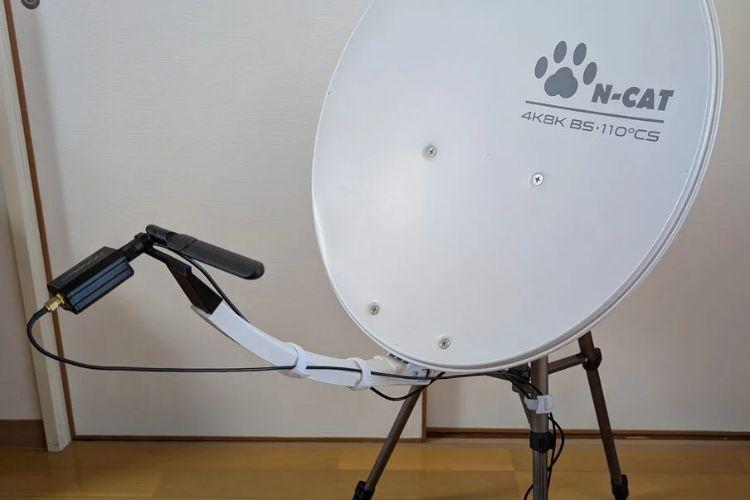
This ESP32-C5 Picks Up India’s NavIC Satellite Signal Using Its Built-In 2.4 GHz Radio, in Early Test The open-source snappnt project, developed by h-shiono, explores whether an affordable ESP32 board can detect signals from India’s NavIC satellite navigation system. NavIC is used for satellite-based navigation, but this project does not work like a normal GPS tracker. Instead, it captures very short samples of radio signals and uses software to search for a known satellite signal pattern.… |
