
diy electronics
|
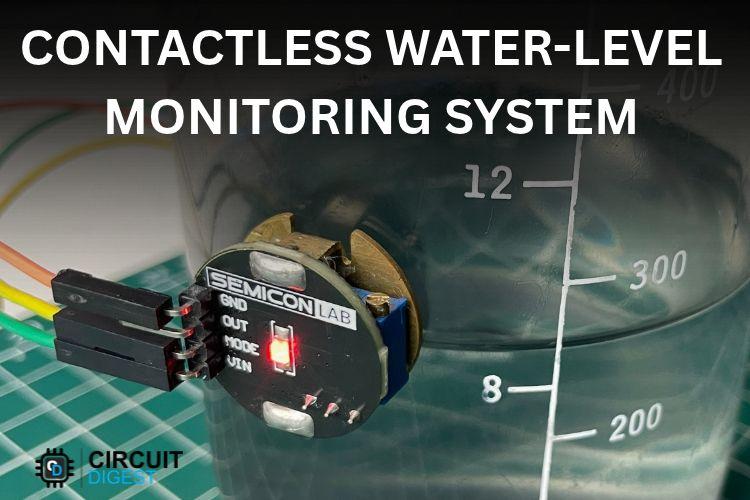
Smart Contactless Water-Level Monitoring System Using SemLab-CLS-24BP The SemLab Contactless Liquid Level Sense Module is an open-source, liquid level sensor designed for non-invasive fluid detection. By utilising capacitive sensing, the sensor detects the presence of liquid inside a container or pipeline without making direct contact with the fluid. This non-contact design prevents sensor corrosion, contamination, and degradation… |

|
Built a Compact DIY OLED Keychain Gadget Powered by a Rechargeable XIAO ESP32-S3 Microcontroller DIY electronics enthusiasts are finding creative ways to shrink powerful microcontrollers into portable, daily-carry gadgets, and custom electronic keychains have quickly become a favourite project. Designed around the ultra-compact Seeed Studio XIAO ESP32-S3 board, this minimalist build by Tech Talkies combines an interactive 1.3-inch OLED display, a tiny LiPo battery, and a power slide… |
|
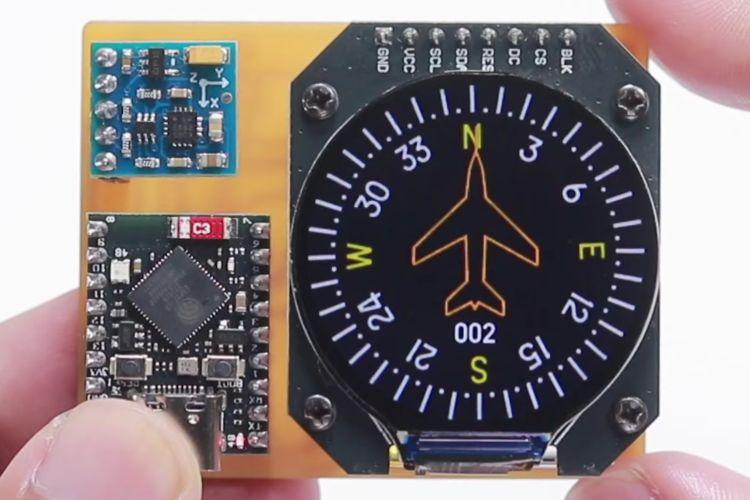
ESP32-S3-Based Compass Uses a 3-Axis Magnetometer for Real-Time heading and Direction Readouts LazyDays Creation built a compact, portable digital compass based on an ESP32-S3 Super Mini and a three-axis magnetometer. He chooses an ESP32-S3 Super Mini because it is capable enough for the project while also including a built-in lithium-battery charging circuit. A round colour display gives the finished device a distinctive watch-like appearance, while the rechargeable battery allows it… |
|
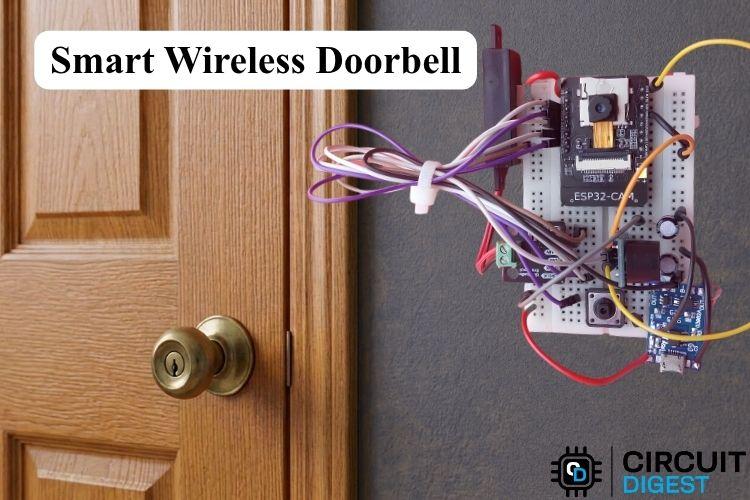
How to Build a Smart Wireless Doorbell System Using IoT Missing a visitor at the front door usually means missed package deliveries, keeping friends waiting outside, or missing unexpected guests. Standard doorbells only work if we happen to be sitting nearby and the chime is loud enough to hear. If we are stuck in a work meeting, listening to music with headphones, or away from home, it is easy to miss the ring, leaving… |
|
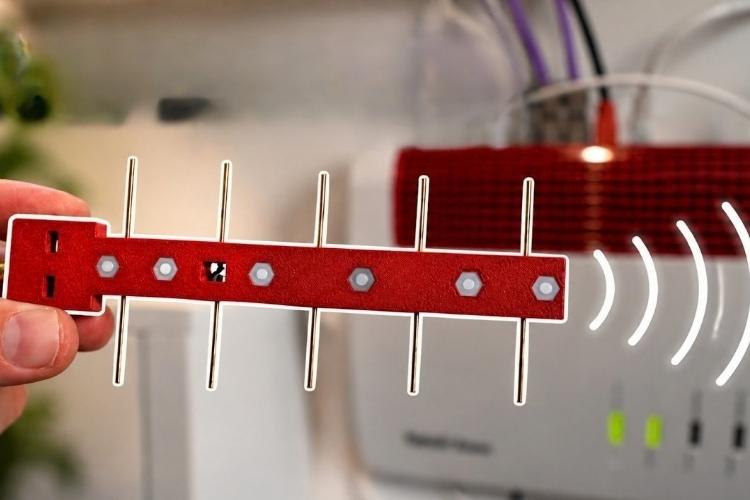
A Maker Built a 2.4GHz DIY Yagi With 1mm Brass Rods That Improved ESP32 RSSI From −65dBm to −52dBm A maker has built and tested a DIY 2.4-GHz directional Wi-Fi antenna using a 3D-printed frame and simple brass rods, showing how antenna geometry can significantly change the performance of an ESP32 wireless link. The experiment uses two ESP32 boards, with one acting as a Wi-Fi transmitter powered by a power bank and the other connected to a computer as the receiver. The receiver measures RSSI… |
|
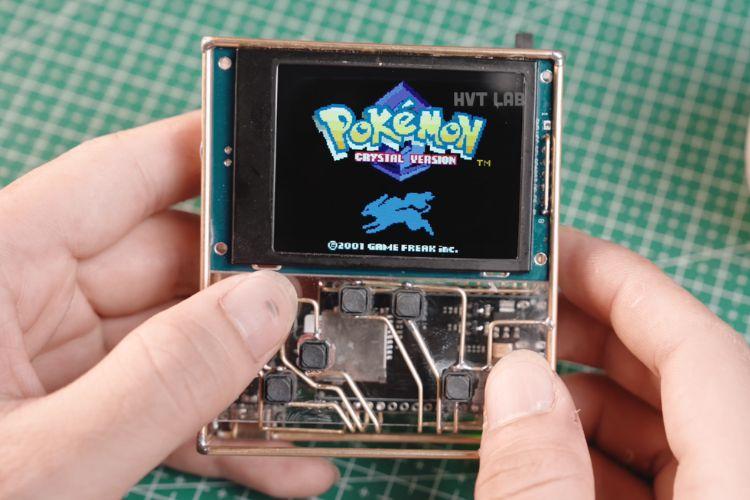
ESP32-S3-Based Pocket-Sized Retro Gaming Console With Brass Wires for the Frame and Wiring This is a pocket-sized retro gaming console built by HVT Lab. It's powered by an ESP32-S3 N16R8 microcontroller and plays classic games from legendary systems like Nintendo, Game Boy, and Sega. It uses a 2.4-inch IPS display, and he made the entire body of the console from 2 mm brass wire, demonstrating a unique blend of DIY electronics and metal craftsmanship. He… |
|
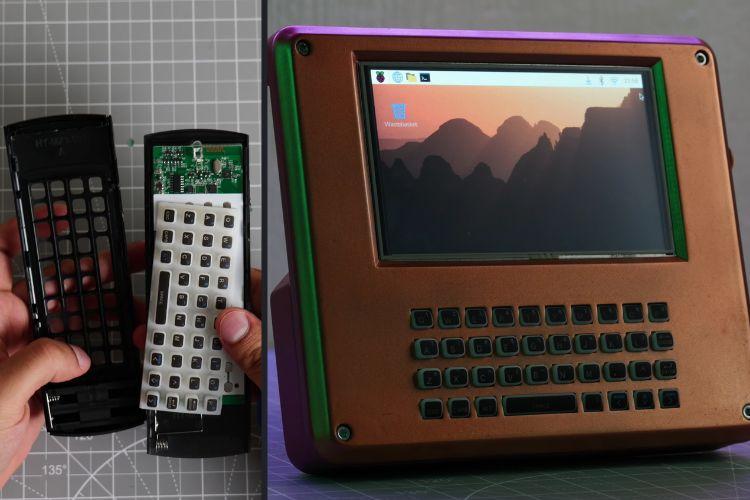
Maker Turns a Normal IR TV Remote into a Functional Keyboard Using I2C for His Handheld PC In his DIY electronics project, maker Mirza Makes transformed an ordinary TV remote into a fully functional keyboard for his portable computer. The idea was to give it a soft keyboard, the kind of ones seen in TV remotes. The build centers around a high-performance Raspberry Pi 5 paired with a compact Elecrow 5-inch TFT touchscreen display to provide a… |
|
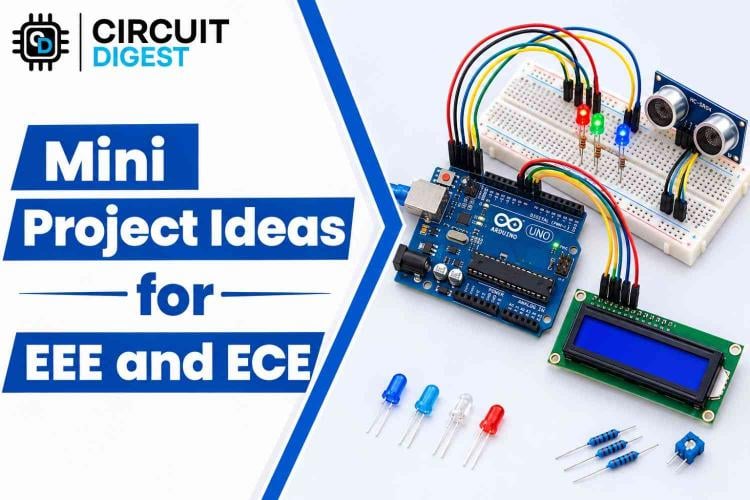
Top 80+ Beginner-Friendly EEE/ECE Mini-Projects for Electronics Worth Trying .project-card { display: grid !important; grid-template-columns: 330px minmax(0, 1fr); column-gap: 26px; align-items: center !important; width: 100%; margin: 0 0 34px 0 !important; padding: 0 !important; box-sizing: border-box; cursor: pointer; } /* Keep the complete project image visible */ .project-card .project-image { width: 330px; height: 200px; overflow: hidden;… |
|
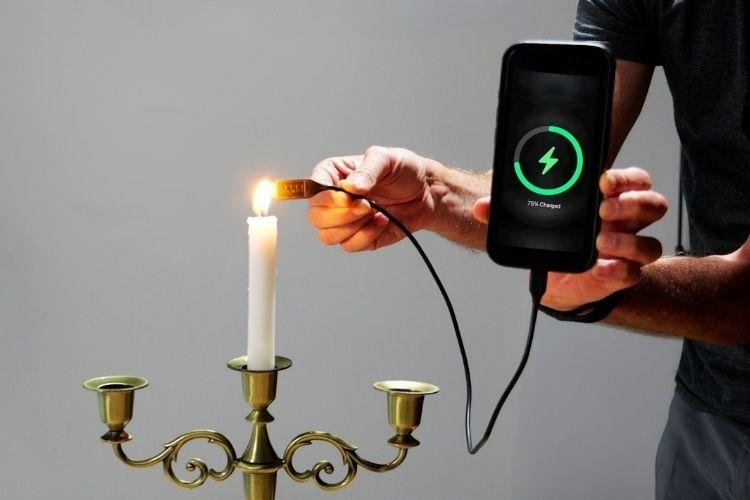
A Candle's Wasted Heat Can Actually Charge Your Phone, This Thermoelectric Generator Shows How A simple candle flame can be used as a small thermal power source when combined with a thermoelectric generator (TEG), a solid-state device that converts a temperature difference directly into electrical energy. A maker from the YouTube channel The Action Lab recently demonstrated this concept by using a candle to heat one side of a thermoelectric module while continuously circulating water… |
|
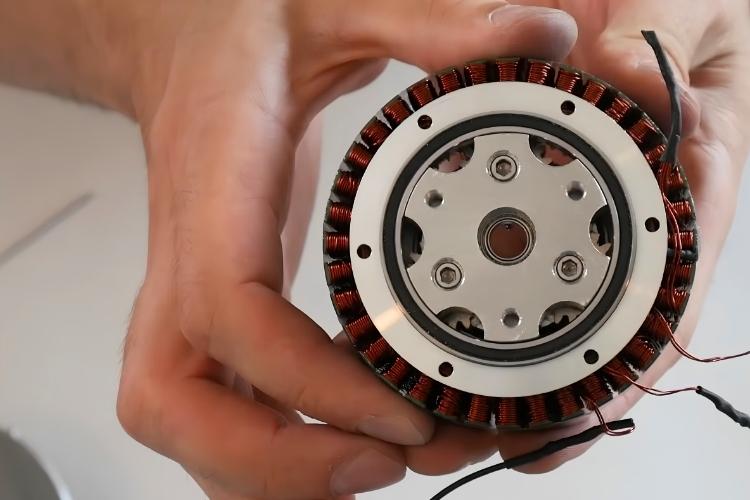
He Built a Robot Actuator From Scratch and Found That More Copper Windings Don't Mean More Torque A Sweden-based creator who posts under the name Food For Robots has hand-wound and machined a custom electric actuator from scratch for a bipedal walking robot project, and in the process documented a counterintuitive result about motor design: adding more turns of copper wire to a motor's stator does not increase torque output for a given amount of electrical power. … |
|
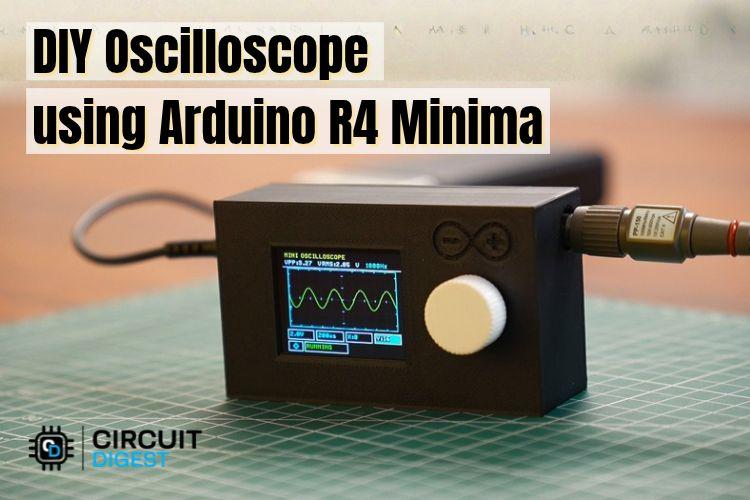
Building a DIY Oscilloscope with Arduino When working with electronics, a multimeter can tell you the voltage at a particular moment, but it cannot show you how that voltage changes over time. To observe these changes and understand what's happening inside a circuit, we need an oscilloscope. But instead of investing in a dedicated instrument, what if we could build a simple one ourselves using a… |
|
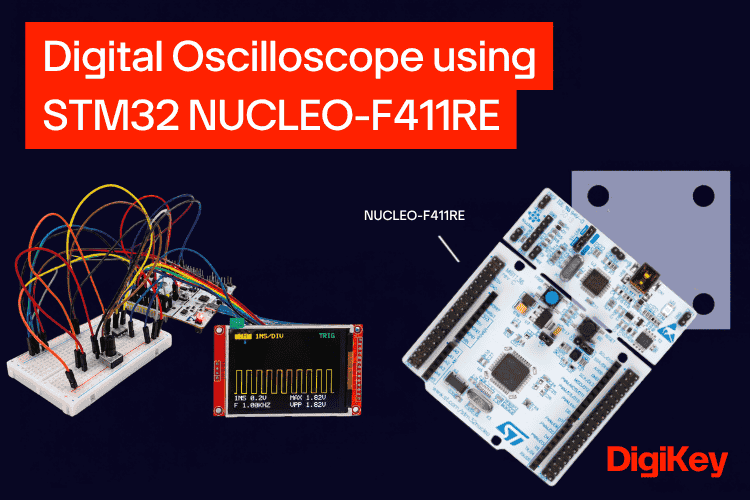
How to Build a DIY Digital Oscilloscope using STM32 Microcontroller An oscilloscope is the one instrument every electronics engineer reaches for when a circuit misbehaves. A multimeter tells you a single number, but an oscilloscope shows how a voltage changes over time: the shape of a PWM signal, the bounce of a switch, or the ripple on a sensor output. Bench oscilloscopes are expensive, though, and the best way to understand how one… |
