
community news
|
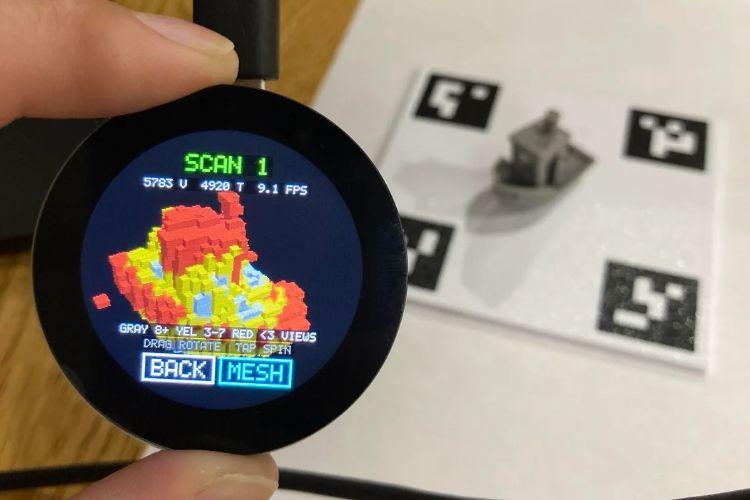
ESP32-S3 3D Scanner Brings Budget Space Carving and 3D Mesh Generation to Embedded Hardware Projects A recent project shared on reddit - r/esp32 showcases how much computer vision potential can be squeezed out of inexpensive, low-power hardware. Built around a Seeed Studio XIAO ESP32-S3 board paired with its dedicated round screen extension, the handheld device doubles as a self-contained 3D object scanner. Originally intended as a platform for an augmented reality game, the creator pivoted… |
|
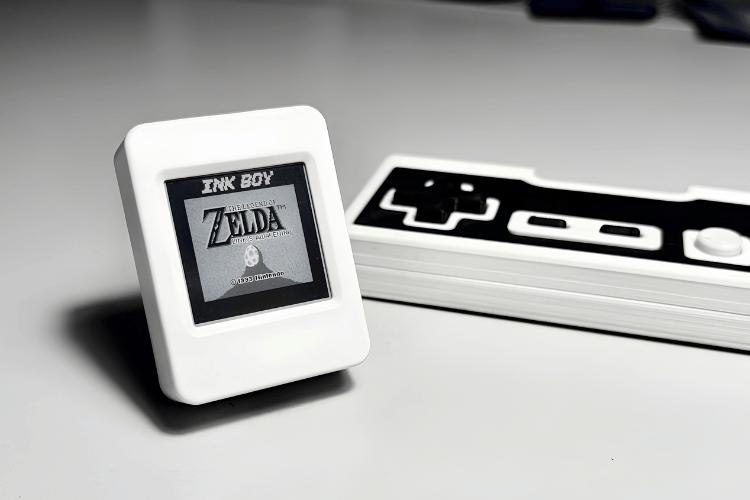
ESP32-S3 E-Paper Board Runs a Game Boy Emulator at 30 FPS. It Barely Hit 2 FPS Before a Custom-Built Driver A developer who goes by kuslota has released InkBoy, a custom display driver and firmware that runs a Game Boy emulator at around 30 frames per second on Waveshare’s ESP32-S3-ePaper-1.54 V2 board. Waveshare specifies about 300 ms for a partial refresh on the board’s 200x200 panel, and the stock driver managed barely 2 fps in the developer’s testing. The code is on GitHub under an MIT license… |
|
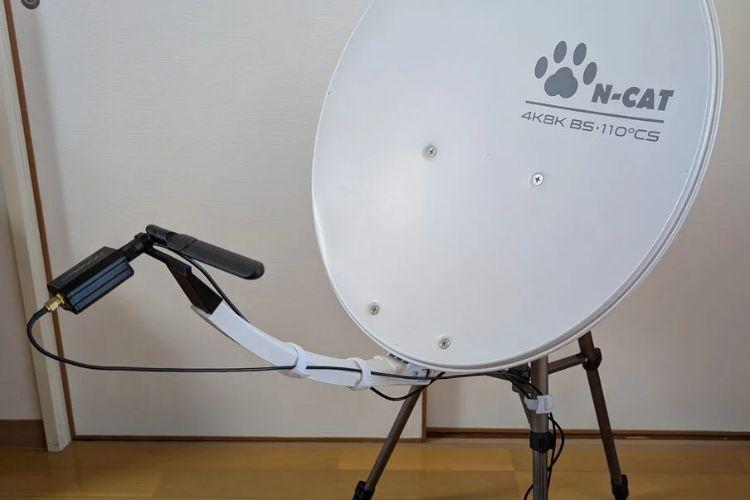
This ESP32-C5 Picks Up India’s NavIC Satellite Signal Using Its Built-In 2.4 GHz Radio, in Early Test The open-source snappnt project, developed by h-shiono, explores whether an affordable ESP32 board can detect signals from India’s NavIC satellite navigation system. NavIC is used for satellite-based navigation, but this project does not work like a normal GPS tracker. Instead, it captures very short samples of radio signals and uses software to search for a known satellite signal pattern.… |
|
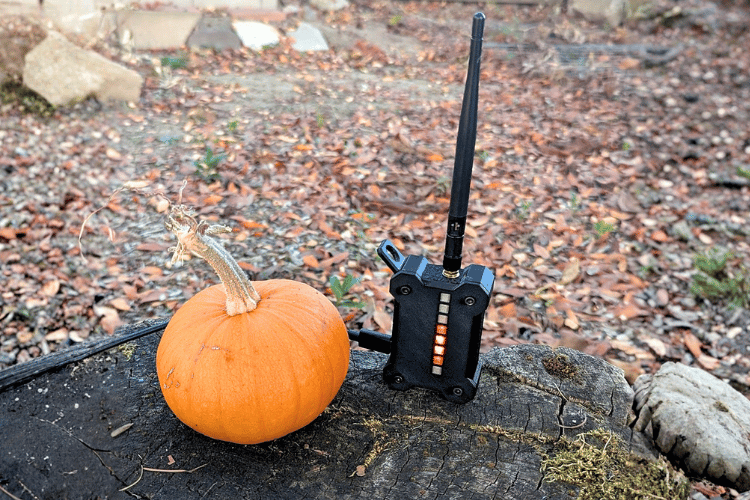
SignalSweep: Open-Source BLE and Wi-Fi Scanner on ESP32-C5 That Can Detect AirTags, Flock Cameras and Drones SignalSweep, an open-source project published on GitHub by a developer using the handle B0z0dcl0wn, turns a Seeed Studio XIAO ESP32-C5 into a pocket-sized scanner for trackers, surveillance hardware and drones. It is licensed GPL-3.0-or-later. The C5 is the main target because it can listen to both 2.4 GHz and 5 GHz Wi-Fi alongside Bluetooth LE, and the developer argues that more cameras and… |
|
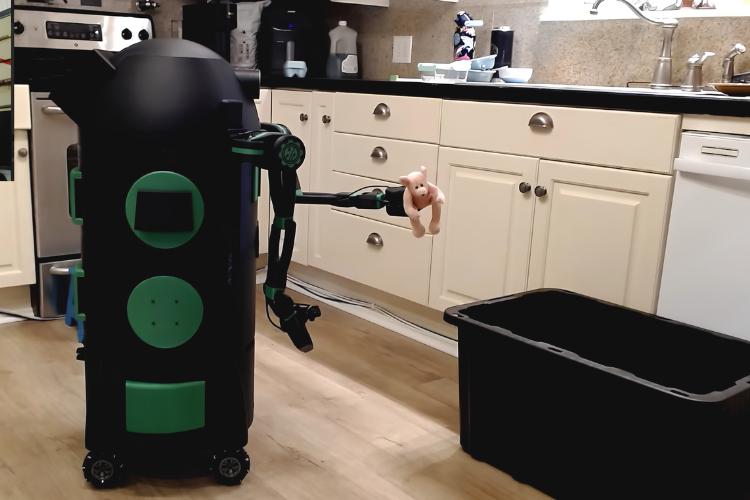
Instead of Training a Robot, He Let a General-Purpose Multimodal LLM Control It to Pick Up and Bin a Toy Harrison Kinsley, the YouTuber behind Sentdex, has shown a Vulcan Robotics Sourccey, a 3D-printed robot he calls “Chonk,” picking up a toy from the floor and dropping it in a bin with no task-specific training. In part three of his “Everything is LLM” series, published Oct 8, a general-purpose multimodal language model made the task decisions. The planning and control came from DeepSeek’s V4.1… |
|
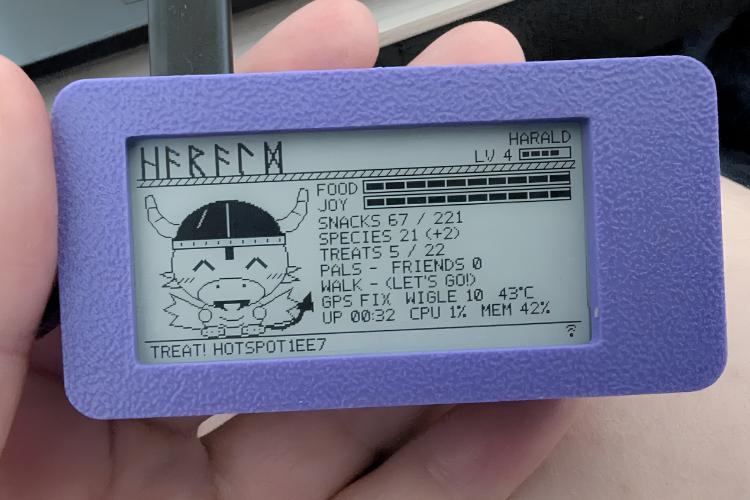
This Raspberry Pi Zero 2 W Runs a Virtual Viking Dragon That Feeds on Nearby Wi-Fi and Bluetooth signals What if your virtual pet could find food from the Wi-Fi and Bluetooth signals around you? Meet Harald, a virtual dragon created by a Raspberry Pi enthusiast. Built using a Raspberry Pi Zero 2 W and a Waveshare V4 e-paper display, Harald treats nearby Wi-Fi networks and Bluetooth devices as food. Discovering new devices makes the dragon happier, turning everyday wireless activity into a virtual… |
|
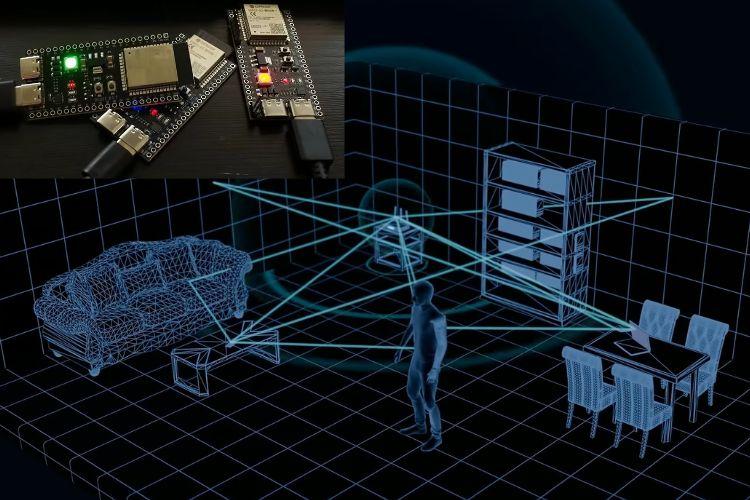
This DIY ESP32-S3 Wi-Fi Sensing System Detects People and Tracks Movements Without a Camera at 80% Accuracy Better Stack from Youtube recently used an open-source project called RuView and explored how Wi-Fi signals can be used to detect human presence and movements without relying on a camera. He describes how Wi-Fi signals change as he travels through a room and bounce off walls, furniture, and people. When someone moves, their body alters the signal's strength and phase across different frequency… |
|
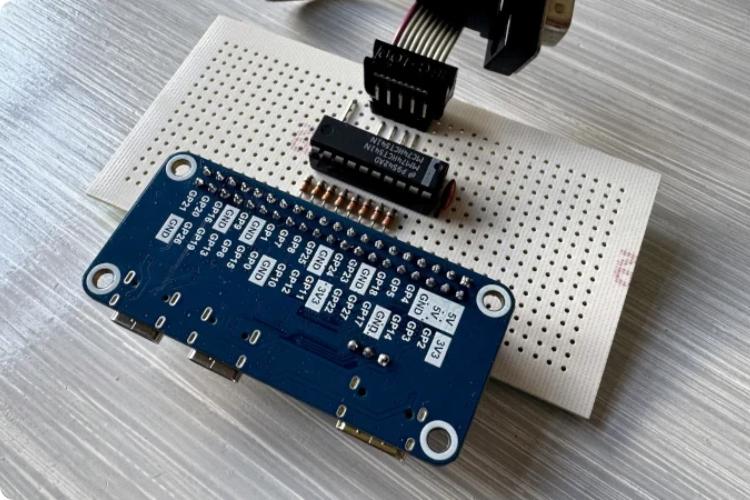
This DIY Video Converter Uses an RP2350 to Turn Vintage TTL RGB Signals Into DVI-Compatible Video Before VGA became common, many computers used TTL RGB video to send digital colour signals to their monitors. Today, finding a compatible monitor for this older hardware can be difficult, making it harder to use and restore vintage computers. A new DIY project by Charlysan offers a solution with an RP2350-based TTL RGB to DVI converter. It captures the video output from older computer hardware… |
|
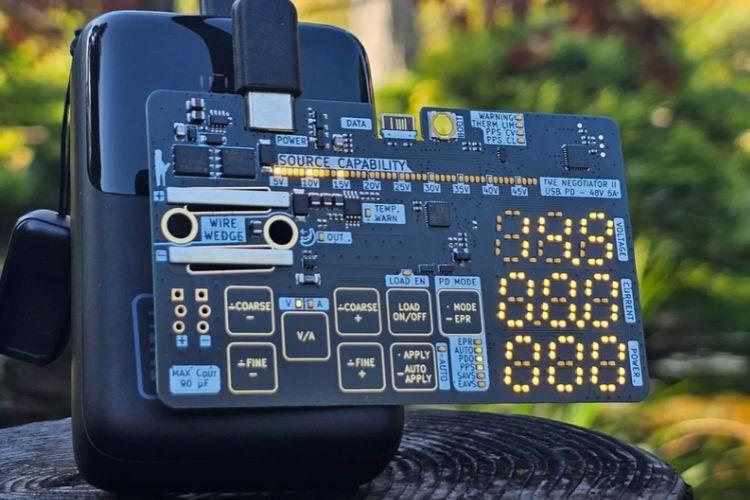
The Negotiator II: A PCB Business Card Built to Unlock 48V Power Delivery From Any USB-C Charger Electronics and mechanical engineer Anas Malas has redefined networking hardware with The Negotiator II, a smart printed circuit board (PCB) business card that doubles as a portable USB Power Delivery (USB PD 3.1) lab power supply. Measuring just 2 mm thick, the wallet-sized card features nearly 200 surface-mount LEDs, dual USB-C ports, and live telemetry displays for voltage, current, and… |
|
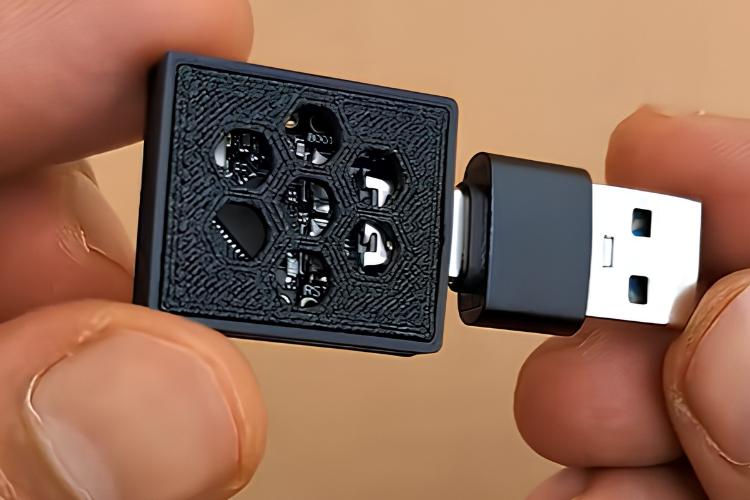
This $2 ESP32-C3 Uses Flash Storage to Build a DNS Ad Blocker for 140,000+ Domains With Just 50 KB RAM The ESP32-C3 AdBlock is an open-source project that turns a low-cost ESP32-C3 microcontroller into a DNS-based ad blocker and tracker system. DNS helps devices find the IP addresses of websites and online services. This project checks DNS requests against a blocklist of known advertising and tracking domains. If a domain is blocked, the ESP32-C3 returns 0.0.0.0 instead of its real IP address.… |
|
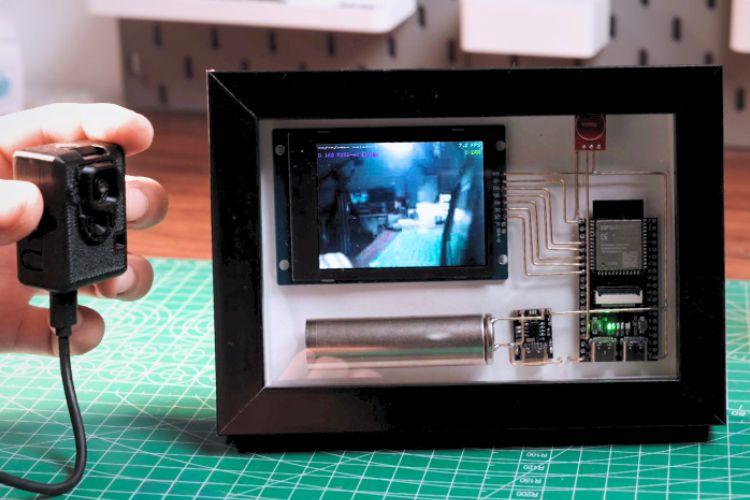
Maker Built a DIY ESP32 Security Camera With a Picture Frame Display and Shared the Custom Firmware Building a custom, low-cost home security setup no longer requires expensive commercial hardware or subscription fees. Using two inexpensive ESP32 microcontroller boards, HVT Lab and Huy Vector from Youtube recently built a fully functional, self-contained wireless video surveillance system. The setup features a dedicated ESP32-CAM module mounted at an entry point such as a front gate which… |
|
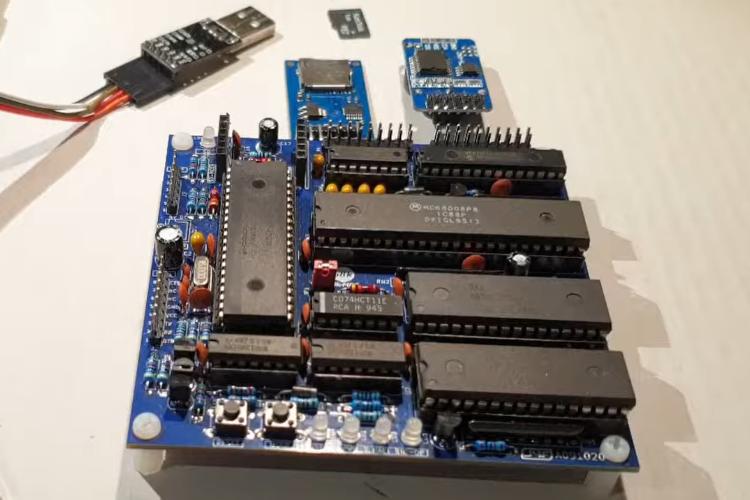
This Open-Source 68008 DIY Computer Runs CP/M-68K BASIC and Custom Programs Using a 3-IC Lite Design The 68k-MBC is a homebrew single-board computer built around the Motorola 68008 processor, running at 8 MHz. What makes it interesting is that it can be built in two versions, Lite and Full. The Lite version keeps the hardware very simple, using three main ICs: the 68008 CPU, a PIC18F47Q10 microcontroller, and SRAM. It supports 128 KB or 512 KB of RAM and can run CP/M-68K. The Full version… |
