
community news
|
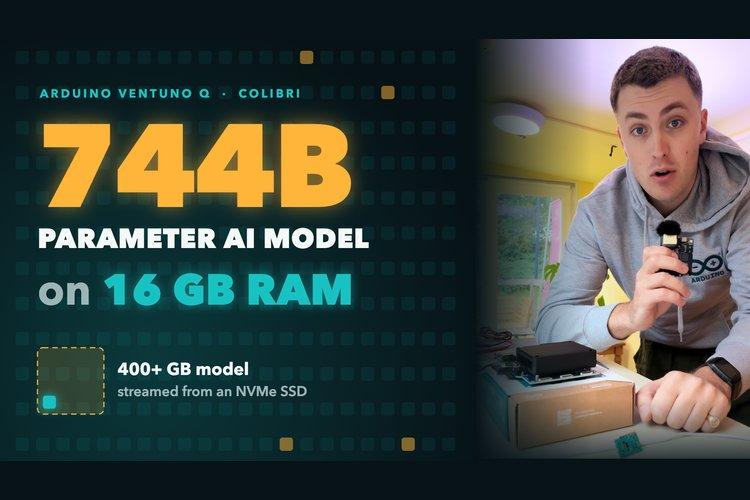
Arduino's 16 GB VENTUNO Q Runs a 744-Billion-Parameter AI Model From an SSD, and It Took 7 Minutes to Name Three Planets Large language models with hundreds of billions of parameters normally live in data centres, on servers with far more memory than any single-board computer. So it is a surprise to see one answer a question on an Arduino. In a project published on Arduino Project Hub, Jim Bruges ran GLM-5.3, a 744-billion-parameter model whose files take up about 419 GB, on an Arduino VENTUNO Q with just 16 GB… |
|
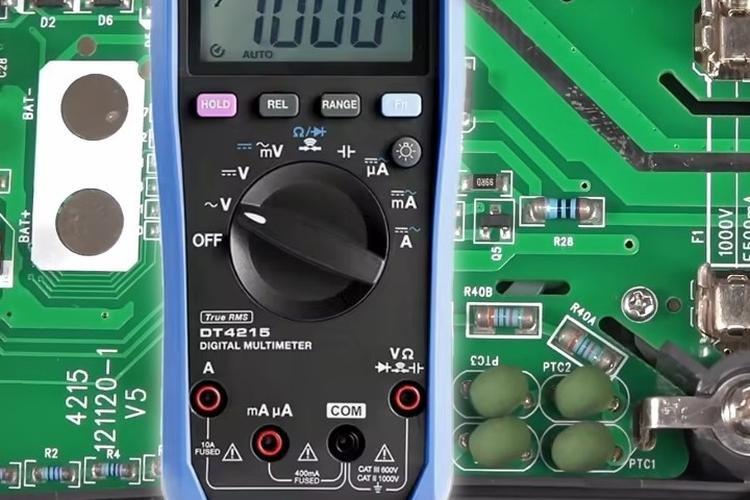
A $95 Hioki Multimeter Exists: EEVblog Found Solid Protection Inside, but 'the World's Worst Continuity Tester' Hioki is one of those Japanese test-equipment names that engineers associate with quality and with a high price, so a Hioki multimeter for 95 US dollars sounds like a fake. It isn't. The DT4215 is a genuine, Hioki-approved meter made in China and sold only for the Chinese market, and Dave Jones of EEVblog just bought one from AliExpress to tear it down. Inside he found input protection that is… |
|
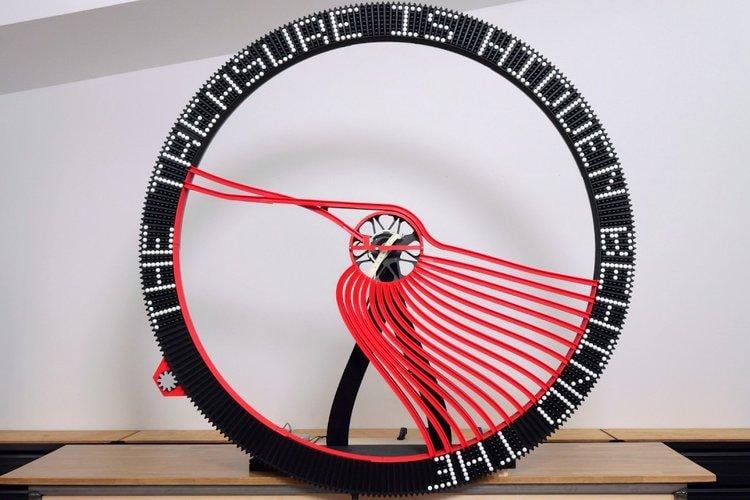
This Giant 3D-Printed Wheel Writes Endless Scrolling Text With Black and White Marbles, After 30+ Hours of Testing Marble machines usually stop at clocks, with a fixed number of digits and a fixed amount of space. Ivan Miranda wanted a display that never runs out of room. His new Marble Scroller is a huge 3D-printed wheel that writes text in black and white marbles using a 7x5 pixel font, lets each line roll off the other side and then recycles the same marbles to write the next one. It can do uppercase,… |
|
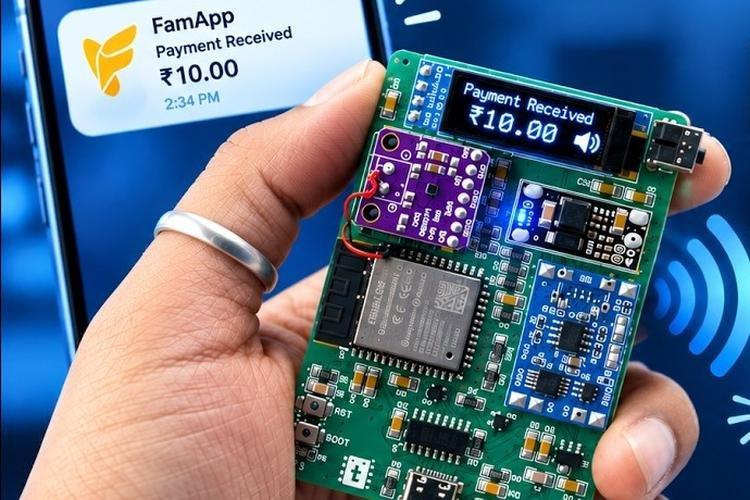
This DIY ESP32 Soundbox Announces Real UPI Payments in About 2 Seconds, No Merchant Account Needed Walk into almost any shop in India and you will hear it: a small speaker on the counter calling out "Rs 10 received" the moment a customer pays by UPI. Makers have built their own versions before, but almost all of them need a merchant account with a payment gateway, which most students and hobbyists simply don't have. Now techiesms has built an ESP32 payment soundbox that skips the merchant… |
|
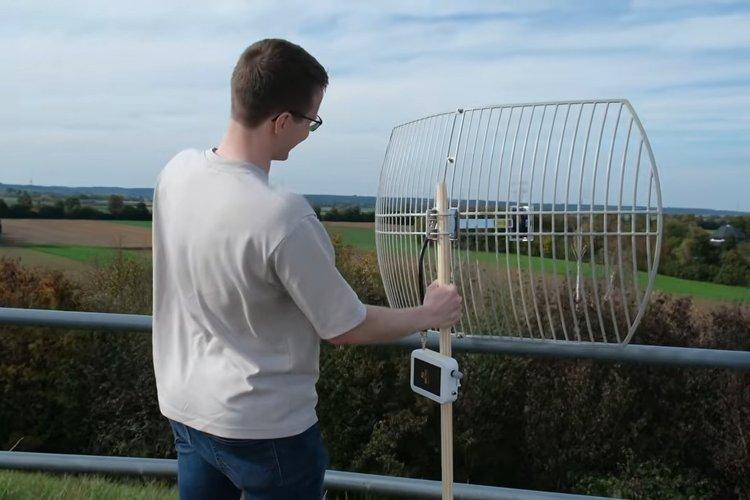
A 60-Euro Dish and a Coin-Sized Tag Pushed Bluetooth to About 13 km, Over 1,000 Times Its Usual Range Most of us give up on Bluetooth once we walk into the next room, so this result is worth a second look. The team behind the YouTube channel nktbuilds set out to make an ordinary coin-sized Bluetooth tag reach a receiver 12 km away, about 1,200 times the 10 m or so where a normal Bluetooth link gives up. They did it without adding a single milliwatt of transmit power. A 60-euro grid dish, a… |
|
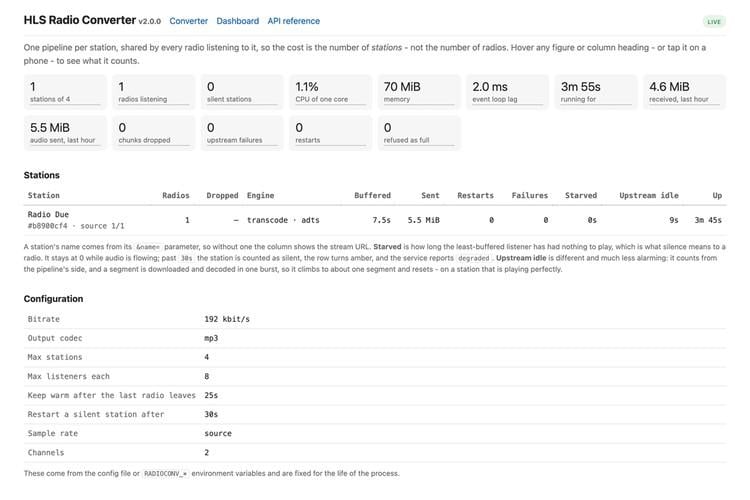
Raspberry Pi Rescues Old Wi-Fi Radios: Open-Source HLS-to-MP3 Converter Hits v2.3 Plenty of perfectly good internet radios, including many built on Frontier Silicon modules, can play a plain MP3 stream over HTTP but have no idea what to do with an HLS (.m3u8) playlist. When a favourite station moves to HLS, the radio simply goes quiet. Clifford Farrugia built HLS Radio Converter to fix that. It runs on a Raspberry Pi on your home network, pulls the HLS stream, and hands the… |
|
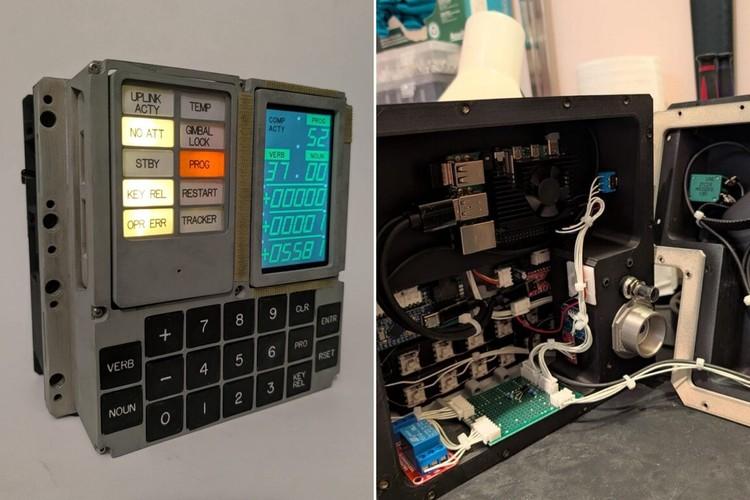
Raspberry Pi 4 Runs a Real Apollo Guidance Computer Inside This 1:1 3D-Printed DSKY Replica The DSKY was the keypad and display Apollo astronauts used to talk to the Apollo Guidance Computer, and Michael Newton has rebuilt one at 1:1 scale from archived NASA and MIT drawings. Inside the 3D-printed case, a Raspberry Pi 4B runs yaAGC, the Virtual AGC project's emulator of the original computer, so the keypad, the green VERB/NOUN/PROG readout and the warning lights all behave as they… |
|
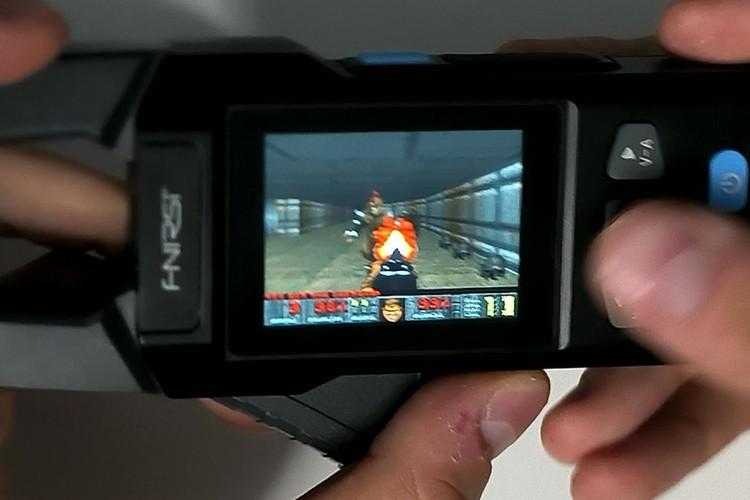
DOOM on a $30 FNIRSI Clamp Meter: 32 KB of RAM, No Framebuffer and a Steady 29 fps Running DOOM on odd hardware is an old tradition, but Artur Bieniek has picked one of the tightest targets yet: the FNIRSI DMC-100, a budget clamp meter built around an Artery AT32F415 microcontroller with just 32 KB of RAM. His open-source port of doomgeneric plays the whole first episode of Freedoom on the meter's 320x240 colour screen, with sound effects on the buzzer, and it averages 29… |
|
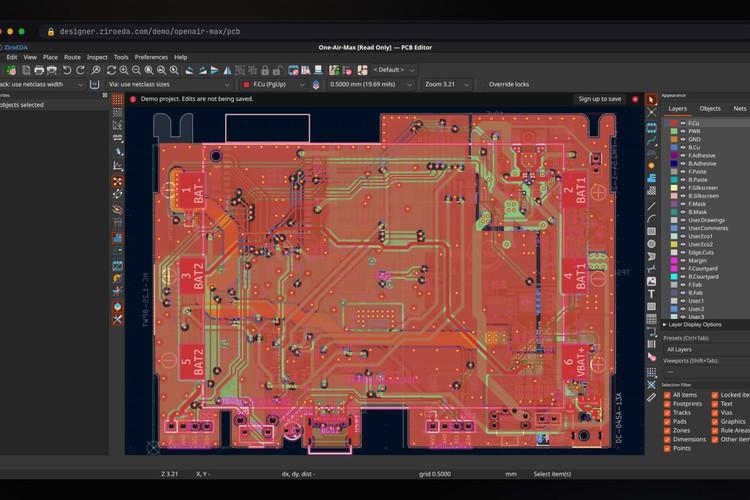
KiCad in a Browser Tab: India's ZiroEDA Ports KiCad 10 to TypeScript So You Can Design PCBs With Nothing Installed If you have ever wanted to fix a footprint on a college lab PC or a Chromebook where you cannot install anything, this one is for you. Akshay Rukade and the ZiroEDA project have ported KiCad 10's C++ source to TypeScript, so KiCad's schematic editor, PCB editor, interactive router, ERC and DRC run in a normal browser tab. It opens and saves native .kicad_pro projects directly, with no import… |
|
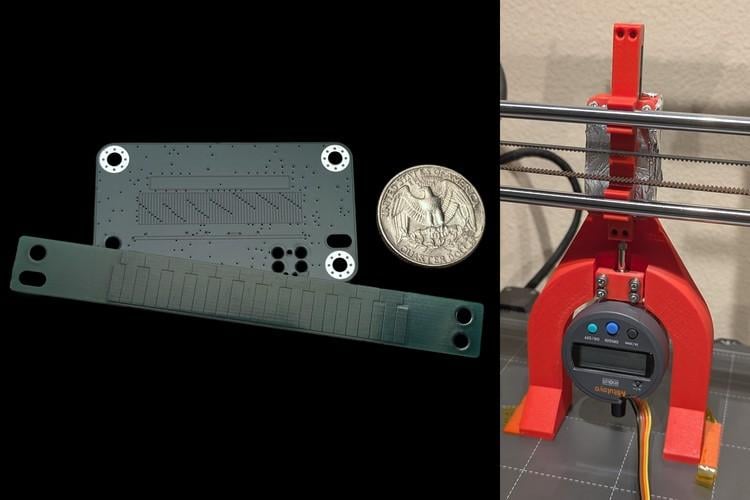
This $32 Open-Source PCB Encoder Measures Position to 40 µm Using the Same Trick as Your Digital Calipers Cheap digital calipers hide a clever capacitive encoder inside, and Nick Steele (nichlock) has turned that idea into an open-source linear scale you can build yourself. It is just two PCBs, a sensor board with an STM32L4 and a passive copper "reflector" strip, sliding about 0.1 mm apart. The maker rates it at 40 µm accuracy against a Mitutoyo digital indicator, and the build costs roughly $32… |
|
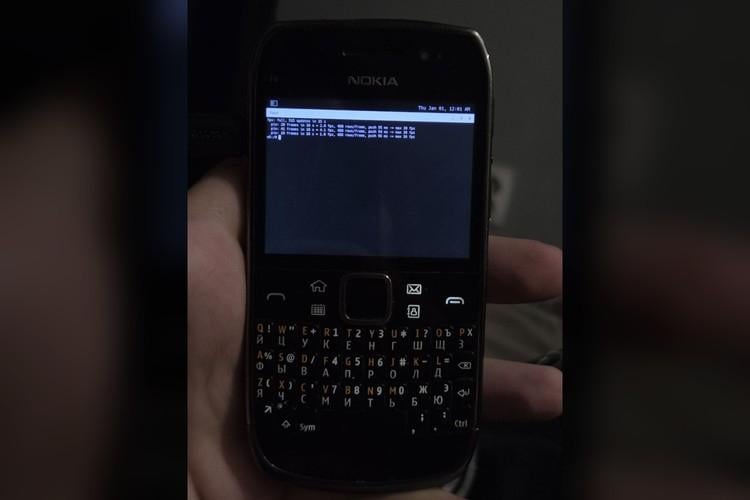
A 2011 Nokia E6 Now Boots Linux 6.12 and Runs Wayland, and It No Longer Reboots Every Four Minutes The Nokia E6, the 2011 Symbian business phone with a QWERTY keypad and a 640x480 touchscreen, is getting a second life as a Linux machine. Developer fluffleswaffles has brought up Linux 6.12 on it. The project's milestone log starts with a first boot to a BusyBox shell on 13 October, and the kernel now drives the phone's own display, runs the Wayland compositor weston with the foot terminal,… |
|
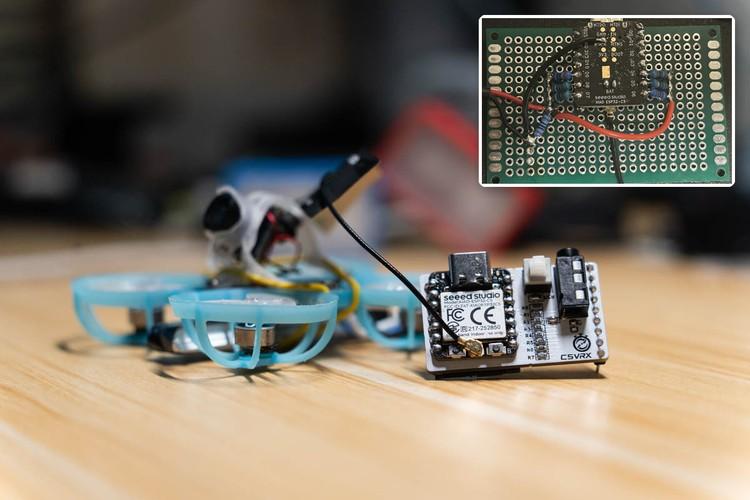
Seven Resistors and an ESP32-C5: This Open-Source FPV Receiver Uses the Wi-Fi Radio to Catch Analog Drone Video Analog FPV goggles normally need a dedicated 5.8 GHz receiver module, but Leon (Twotoz) has built one out of a Seeed Studio XIAO ESP32-C5 and seven resistors. His open-source C5VRX-5 firmware uses the ESP32-C5's own dual-band Wi-Fi radio to pick up the FM video from a drone's analog VTX, demodulates it, and pushes composite PAL or NTSC video out of six GPIO pins into your goggles, a DVR or a… |
