
community news
|
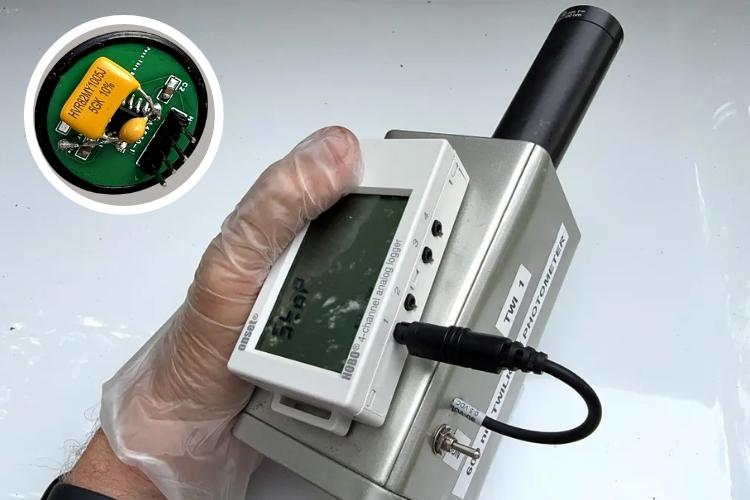
This DIY Twilight Photometer Uses an LED and ADA4530 to Measure the Ozone Layer’s Peak Height from the Ground Forrest M. Mims III has built a DIY twilight photometer that estimates the height of the ozone layer by measuring changes in the brightness of the sky before sunrise or after sunset. The project was inspired by the need for a simpler ground-based method of studying the atmosphere. Mims has worked with professional ozone-measuring instruments and wanted to create a smaller and less complicated… |
|
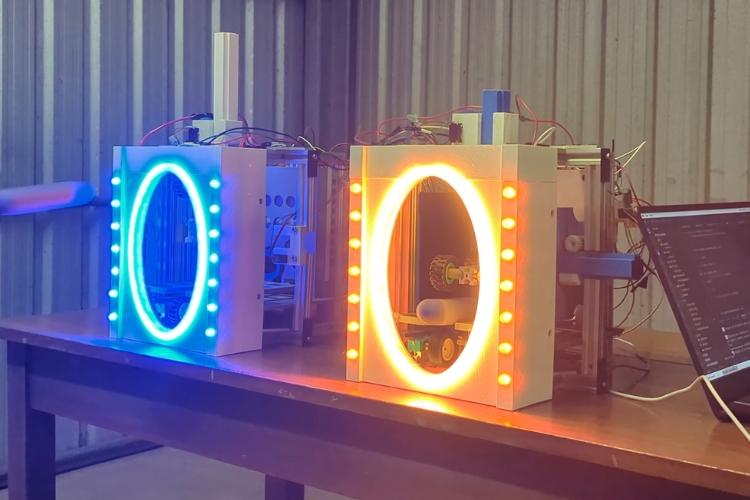
Maker Builds a Linked Portal Illusion Using Arduino Uno R4, Flywheel Launcher, and ToF Distance Sensors A maker from the youtube channel James' Programming has recently built a linked portal illusion using Arduino, 3D‑printed parts, and a custom aluminum frame. The setup uses two identical “portal” frames facing each other: when an object is thrown into one, it appears to instantly emerge from the other, creating a convincing real‑time portal illusion without any video tricks. … |
|
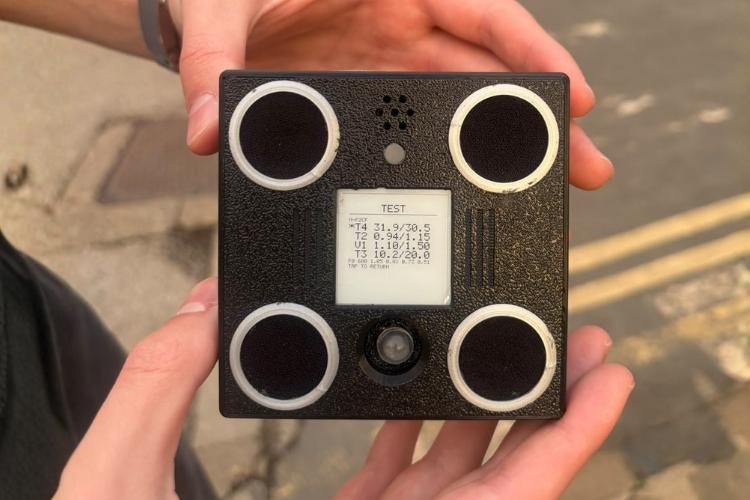
VolAnti: An Open-Source ESP32-S3 Device That Detects Fibre-Optic Drones With No RF Control Link, Using Sound A maker named Agam Rossen has created VolAnti, an open-source acoustic drone detector that identifies nearby multirotor drones by listening to the sound of their propellers. Unlike traditional drone detectors that look for radio-frequency signals, VolAnti focuses on the sound produced by spinning blades. This approach is particularly relevant to fibre-optic-controlled FPV drones, which send… |

|
Maker Builds a Wireless 3D Scanner Using ESP32-S3 and Rotating LiDAR That Streams Data to a Custom Android App A maker has built a standalone 3D LiDAR scanner that turns an inexpensive rotating LiDAR module into a wireless spatial-mapping device. The scanner rotates the sensor to collect distance measurements across multiple angles, allowing it to capture the shape of objects and surrounding spaces instead of producing only a flat 2D scan.
An ESP32-S3 acts as… |
|
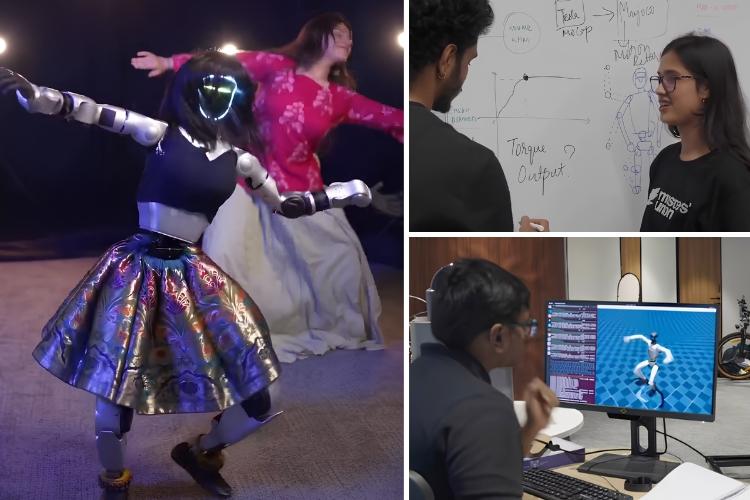
Indian Team Trains Unitree G1 Humanoid for Classical Dance Using Motion Capture and Reinforcement Learning A humanoid robot named “Maya” has attracted attention in India after appearing on India's Got Latent, where it danced, rapped and interacted with people on stage. Maya is built on a Unitree G1 humanoid robot, but the Indian team behind the project added its own AI software, voice system, personality and custom movements. The team, associated with Tuesday Labs and students from Masters' Union,… |
|
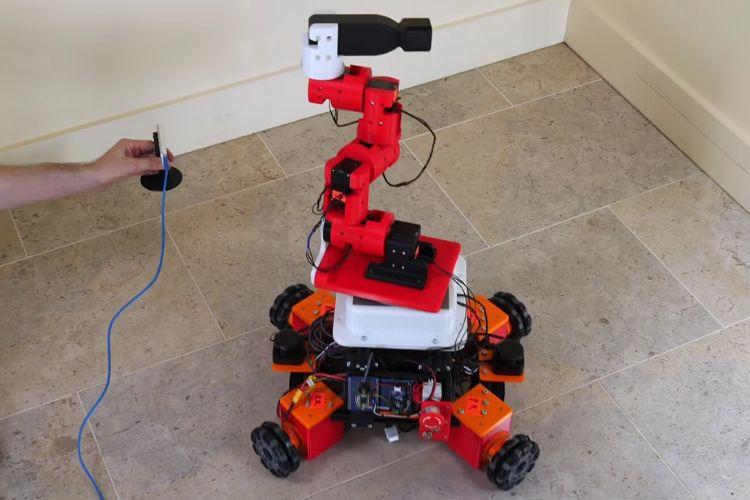
Open-Source 7-DOF Tentacle Arm Uses ROS 2 MoveIt for Inverse Kinematics and Features a Holonomic Base James Bruton has built an open-source 7-DOF tentacle robotic arm that treats each joint as a 90° rotating stage, creating a highly flexible manipulator that can wrap around obstacles and reach into tight spaces. The design uses multiple Dynamixel servos chained into a serial kinematic chain, with custom 3D-printed links and structural parts to form a lightweight, compliant “tentacle” rather… |
|
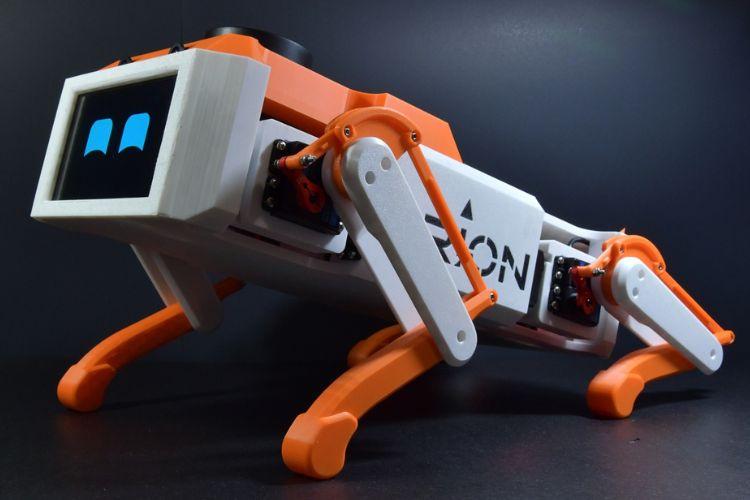
Maker Builds a 12-DOF ROS 2 Quadruped Using Jetson Orin Nano for Vision and STM32 for Real-Time Control Ashish Agrahari, a Mechatronics Engineering student at the University of Waterloo, has recently built Orion, a 12-DOF quadruped robot dog designed and programmed from scratch over eight months, combining ROS 2 autonomy with custom embedded electronics. The system is split into two layers: a Jetson Orin Nano for high-level perception and planning, and custom STM32-based PCBs for deterministic,… |
|
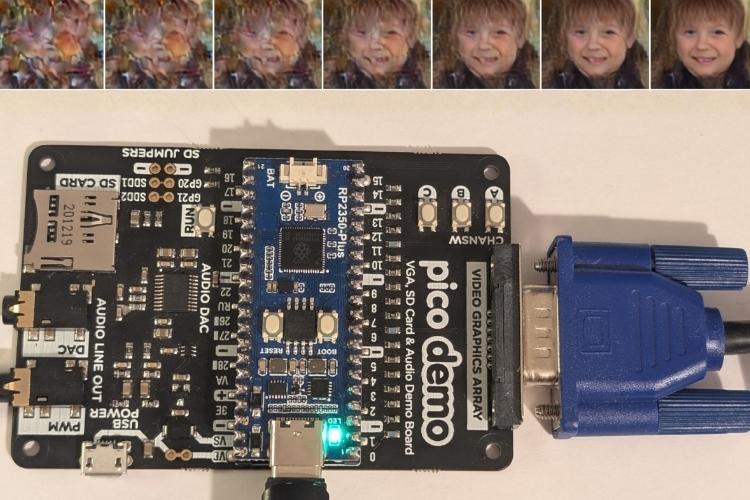
He Trained a 2.9M-Parameter AI Image Generation Model, Ran It on a $1 RP2350 Chip and Open-Sourced the Project Generative AI image models usually require powerful processors and large amounts of memory, but a new project demonstrates that image generation can be pushed onto a small microcontroller. Tim, from Tim’s Blog, has implemented a generative AI image model on the RP2350, the microcontroller used in the Raspberry Pi Pico 2. Running on a Waveshare RP2350-Plus board, the system can generate 128×128… |
|
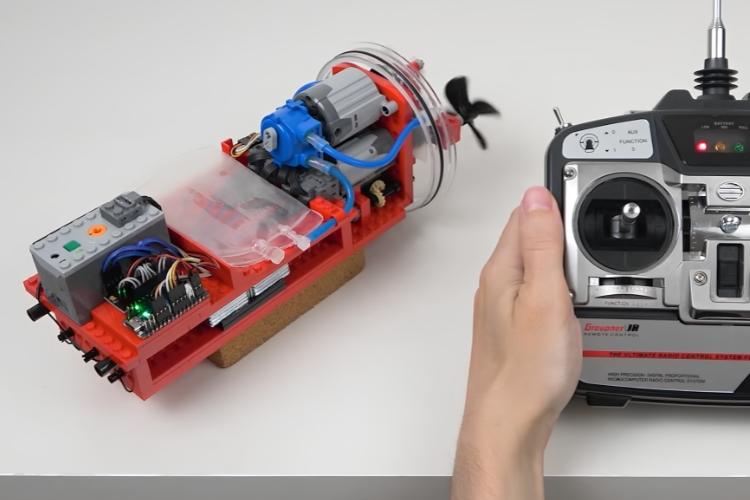
Built Around LEGO Parts and an Arduino Nano ESP32, This RC Submarine Uses a Moving Weight for Pitch Control The Brick Experiment Youtube Channel has built RC Submarine 5.0, a LEGO-based remotely controlled submarine designed to improve on the previous version while making underwater operation easier and more convenient. The submarine uses a 39 cm-long acrylic hull with two propellers for propulsion and differential steering, while a water pump and ballast tank control its buoyancy and depth. One of… |
|
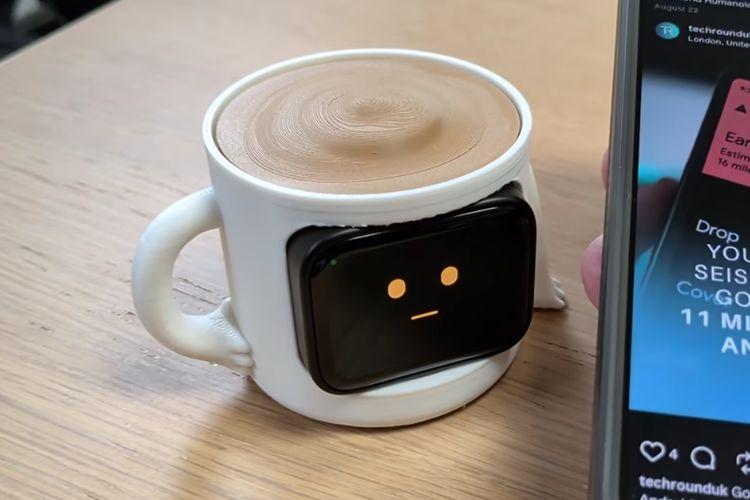
ESP32-Based AI Pet Gets Sick If You Doomscroll, While Android Handles Local LLMs, STT, and TTS Offline Maker and Youtuber, Brenpoly recently built an offline AI virtual pet that lives on an ESP32 and “gets sick” when you doomscroll too much, turning screen-time guilt into a tangible, hardware-based consequence. The project makes use of the 1.8 inch touch screen display and sensors that come integrated with the Waveshare ESP32-S3 based module to create a companion that reacts to your phone usage… |
|
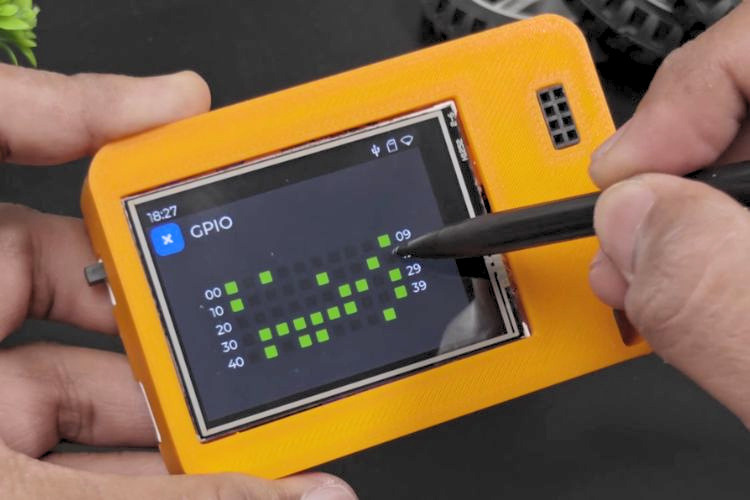
Maker Turns an ESP32 S3 Into a Pocket PC by Porting Open Source Tactility OS to a 2.4 Inch Touch Display This project transforms a compact MaTouch Lite development board into a fully functional, portable touchscreen computer. The project uses an ESP32-S3 microcontroller, featuring 16MB of flash and 8MB of PSRAM, which provides the necessary performance to run a graphical environment. By integrating a 2.4-inch resistive touchscreen and a microSD card for storage, the creator successfully… |
|
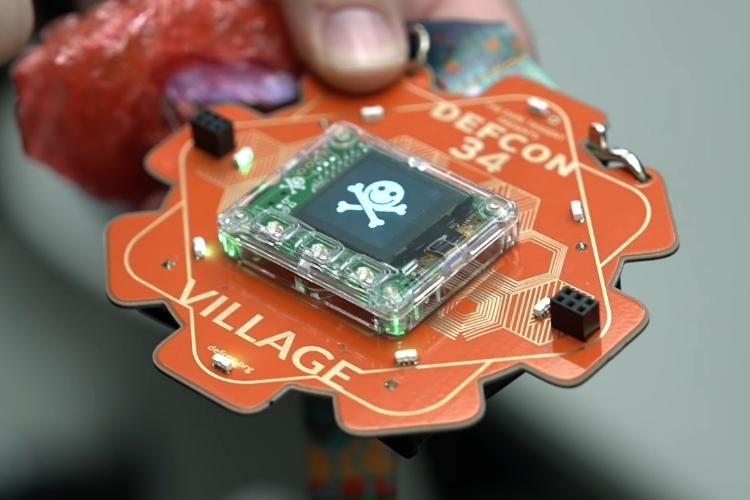
DEFCON 34's Badge Had a Hackable Open-Source Chip You Could Shine Infrared Through to Inspect Its Design Every year, DEFCON’s electronic badge becomes one of the most talked-about pieces of hardware in the security community, and the DEFCON 34 badge pushes that tradition further. The badge acts as an electronic identity and interactive device for conference attendees, helping them participate in DEFCON activities, access badge-related challenges and interact with other attendees. Designed by… |
