

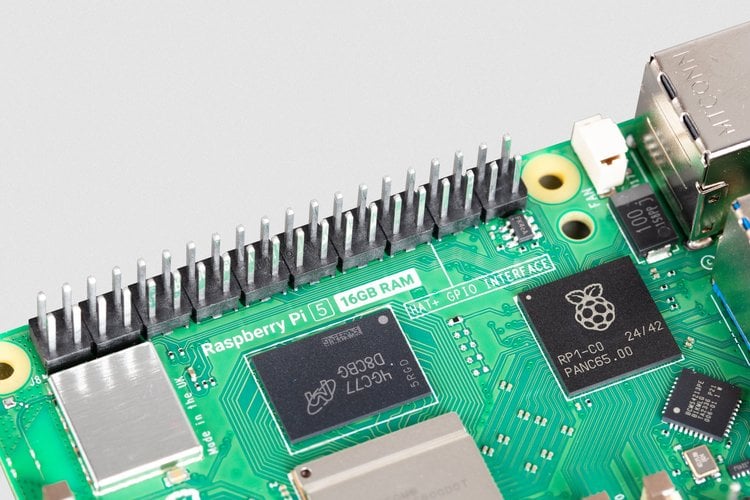
The most powerful Raspberry Pi has just become the most expensive one by a wide margin. On 2 November, Raspberry Pi raised the price of the 16GB Raspberry Pi 5 by $80, to $385. That is more than three times the $120 the board cost when it launched in January 2025. The 16GB Compute Module 5 variants go up by $40 each.
Why the price went up again
CEO Eben Upton blamed memory. He wrote that "a lack of alternative supply for 16GB DRAM, compounded by other ongoing component shortages" forced further increases on the company's highest-density products. DRAM makers are steering capacity towards AI data centres, and the high-density parts that a 16GB board needs have been hit hardest. Raspberry Pi has made several selective price rises this year. On 1 October it raised the 2GB Raspberry Pi 4 and 2GB Raspberry Pi 5, and kept the 1GB boards unchanged.
What did not change
- Raspberry Pi 500+ keeps its price, even though it also has 16GB of RAM.
- Lower-memory boards are not part of this increase.
- Raspberry Pi says the increases are temporary and that it plans to roll them back when memory costs fall.
The company also warned that "a few bad actors" are using the shortage to sell Raspberry Pi products at inflated prices or to sell boards that "aren't what they seem", and it asks buyers to use its Approved Resellers.
Key details
- Raspberry Pi 5 16GB: $305 to $385 (+$80), from 2 November 2026
- Compute Module 5 16GB variants: +$40 each (prices in the CM5 product brief)
- Unchanged: Raspberry Pi 500+, and boards with less memory
- Launch price of the Pi 5 16GB: $120 (January 2025)
What this means for you
If you were going to buy a 16GB Pi 5 for headroom, check whether your workload really needs it. Raspberry Pi itself suggests using lower-memory variants or earlier models, or optimising memory use. For local AI models and big containers, $385 now puts the board close to small x86 mini PCs, so compare before you buy. For classrooms, sensors and control projects, the 1GB to 4GB boards or a microcontroller remain the cheaper route.
Image credit: Raspberry Pi Ltd (official Raspberry Pi 5 16GB product photo), cropped and resized.
About the author: Aswinth Raj is an electronics engineer and the editor of CircuitDigest, where he has published more than 150 hands-on projects and tutorials across Arduino, PIC, ESP32, Raspberry Pi and EV battery systems. He selects the stories on this page for what engineers and makers can actually learn or build from. Connect on LinkedIn

Add a comment
No account needed. Your comment appears once a moderator has reviewed it.