
microcontroller
|
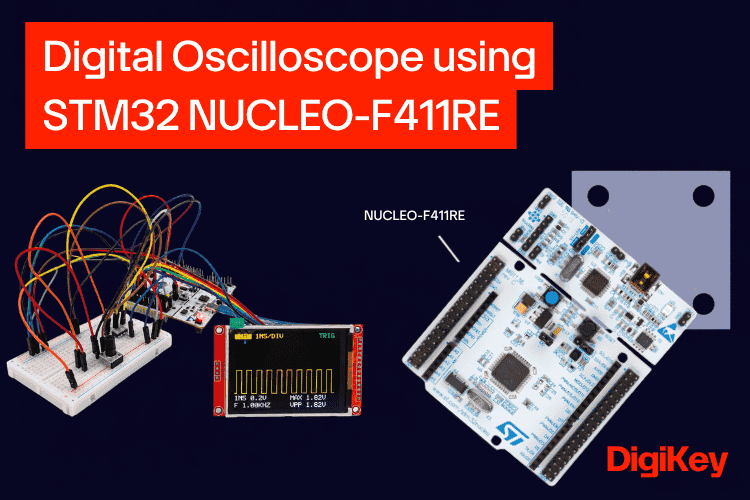
How to Build a DIY Digital Oscilloscope using STM32 Microcontroller An oscilloscope is the one instrument every electronics engineer reaches for when a circuit misbehaves. A multimeter tells you a single number, but an oscilloscope shows how a voltage changes over time: the shape of a PWM signal, the bounce of a switch, or the ripple on a sensor output. Bench oscilloscopes are expensive, though, and the best way to understand how one… |
|
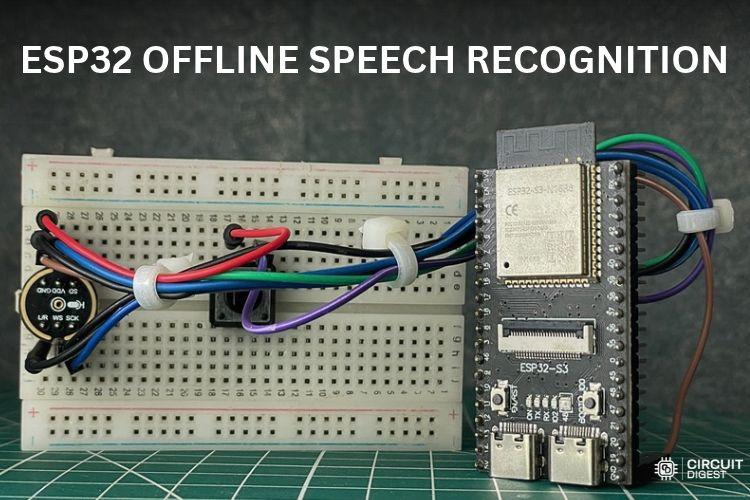
How to Build an ESP32 Offline Speech Recognition Speech recognition models like OpenAI’s Whisper offer high levels of accuracy, but their base model itself consumes up to 140MB and running them on a low-end device like an ESP32 is difficult. In this tutorial, we are going to run Cactus Compute’s Whistle Speech-to-Text Model launched on 2nd of October 2026. The actual size of the model is 16.9MB, which won't fit… |

|
Renesas Expands RL78 Family with Ultra-Low-Power 16-Bit RL78/G21 MCU Optimized for Smart Appliance System Control Renesas Electronics Corporation (TSE:6723), a premier supplier of advanced semiconductor solutions, today announced the RL78/G21, a new member of its RL78 family. Renesas holds the No. 1 global market share in 16-bit MCUs (Note 1). The RL78/G21 MCU extends that leadership into the next generation of smart appliances. Optimized for smart system control, the new MCU product series RL78/G21… |
|
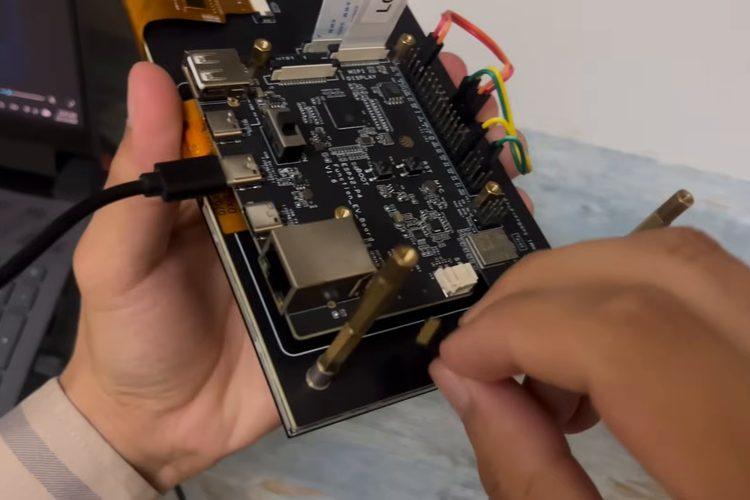
A $5 ESP32-P4 Chip Now Writes Down Everything You Say, Live and Offline, With About 4 Wrong Words in 100 Speech recognition on a microcontroller usually means a short list of fixed commands. Boumedine Billal has gone much further: his open-source project runs a full speech-to-text model live on an ESP32-P4, a chip that costs about $5. You talk into the board's microphone and any English sentence appears on its screen as you speak, with no Wi-Fi, no cloud and no neural accelerator. On the standard… |
|
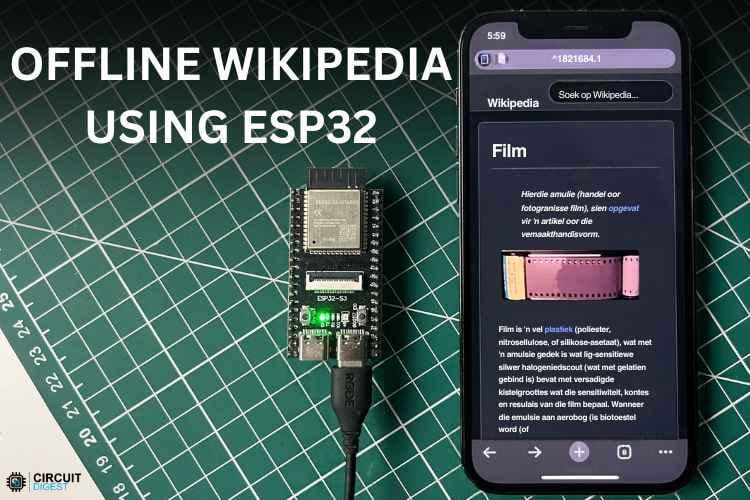
How to Run Wikipedia Offline on ESP32 These days, we are heavily dependent on cloud computing, high-speed internet and all. We rarely think about what happens if the internet goes down or what happens in areas where the network is not reachable or information access is very difficult. The main solution is having the data and its processing locally so that they are reachable anytime, even without internet… |
|
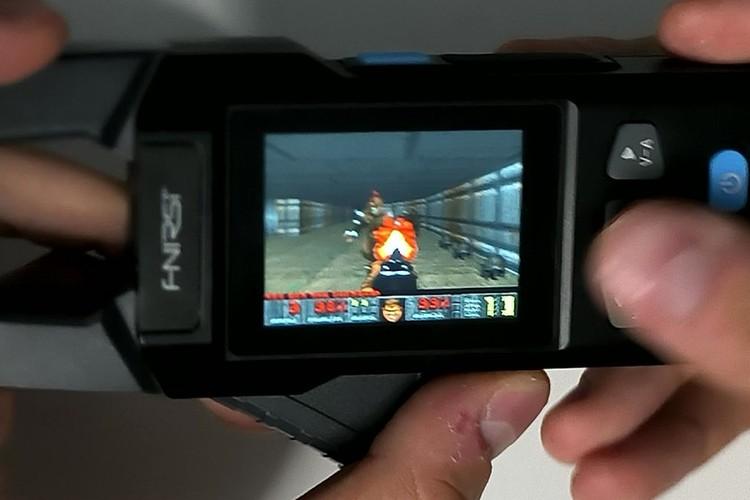
DOOM on a $30 FNIRSI Clamp Meter: 32 KB of RAM, No Framebuffer and a Steady 29 fps Running DOOM on odd hardware is an old tradition, but Artur Bieniek has picked one of the tightest targets yet: the FNIRSI DMC-100, a budget clamp meter built around an Artery AT32F415 microcontroller with just 32 KB of RAM. His open-source port of doomgeneric plays the whole first episode of Freedoom on the meter's 320x240 colour screen, with sound effects on the buzzer, and it averages 29… |
|
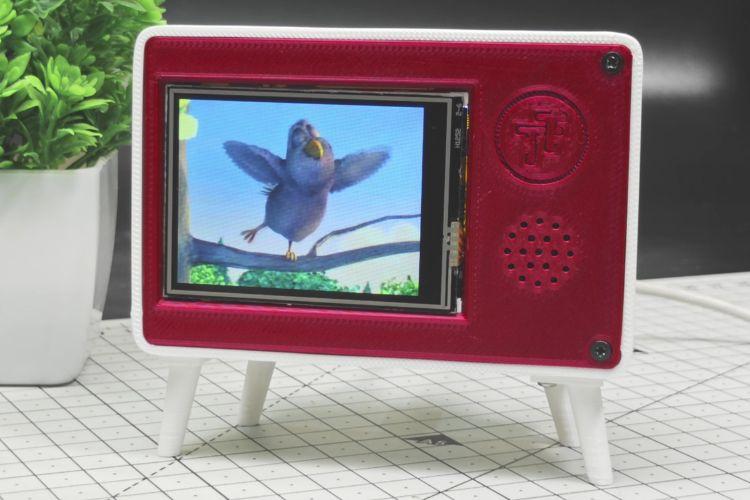
Maker Transforms ESP32-S3 Microcontroller Into a Mini Retro TV With Touch Control and Audio Output In an era where microcontroller boards are becoming increasingly powerful, Tech Talkies recently showcased an interesting use for the versatile ESP32-S3 chip by turning it into a fully functional, pocket-sized retro television. Leveraging the display and audio capabilities of modern hobbyist hardware, the project demonstrates how low-cost microcontrollers can easily drive video playback and… |
|
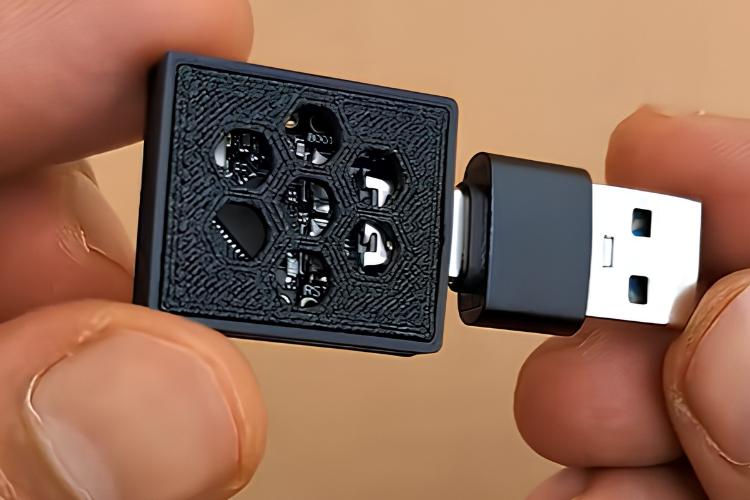
This $2 ESP32-C3 Uses Flash Storage to Build a DNS Ad Blocker for 140,000+ Domains With Just 50 KB RAM The ESP32-C3 AdBlock is an open-source project that turns a low-cost ESP32-C3 microcontroller into a DNS-based ad blocker and tracker system. DNS helps devices find the IP addresses of websites and online services. This project checks DNS requests against a blocklist of known advertising and tracking domains. If a domain is blocked, the ESP32-C3 returns 0.0.0.0 instead of its real IP address.… |
|
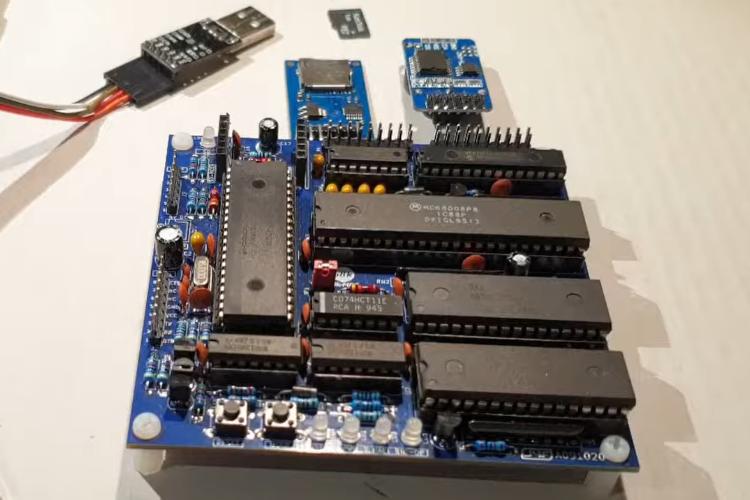
This Open-Source 68008 DIY Computer Runs CP/M-68K BASIC and Custom Programs Using a 3-IC Lite Design The 68k-MBC is a homebrew single-board computer built around the Motorola 68008 processor, running at 8 MHz. What makes it interesting is that it can be built in two versions, Lite and Full. The Lite version keeps the hardware very simple, using three main ICs: the 68008 CPU, a PIC18F47Q10 microcontroller, and SRAM. It supports 128 KB or 512 KB of RAM and can run CP/M-68K. The Full version… |
|
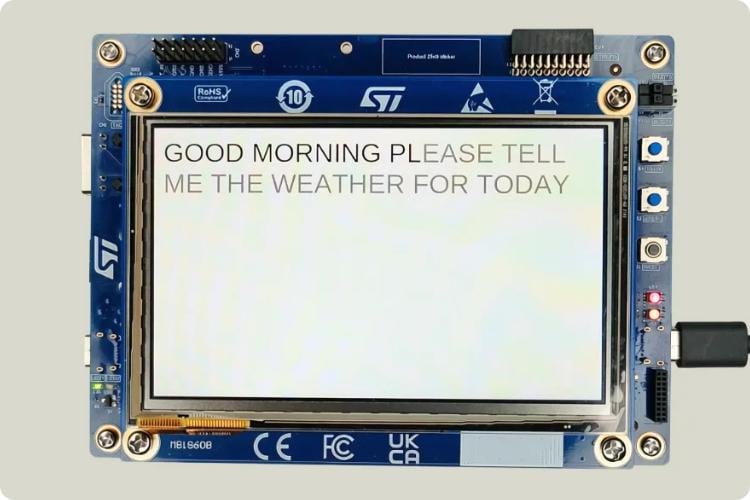
This STM32N6 Turns Speech Into Text Offline Using Its NPU and a 7.2M-Parameter ASR Model The STM32N6 is being used to run an offline speech recognition system that can turn spoken English into text without a network connection. The project runs on the STM32N6570-DK, using its onboard microphone to capture speech and its display to show the recognized words. This system is designed to recognize different English words. At the core is the STM32N6's Arm Cortex-M55 and its ST Neural-… |
|
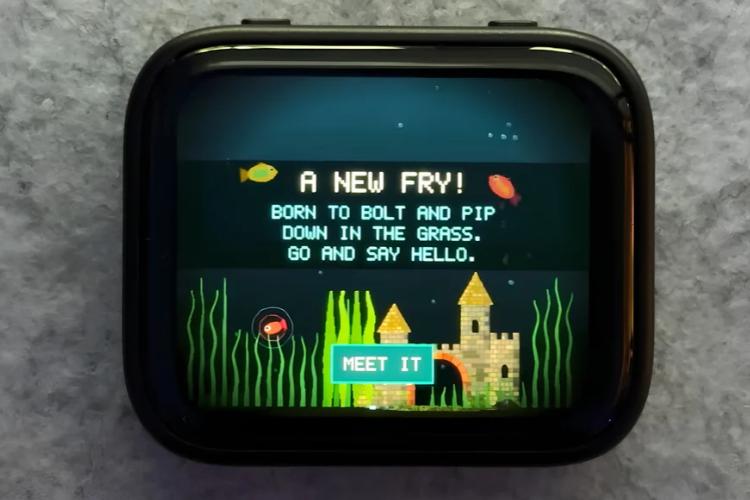
Open-Source Pocket Tank Runs a 14.3M-Parameter AI Model on an ESP32-S3 to Give Virtual Fish Their Own Brains Pocket Tank is an open-source virtual fish tank that uses a small AI model to control its virtual fish. It runs on an ESP32-S3 and creates a small aquarium where fish can eat, explore, rest, follow other fish, play, and interact with each other. Each fish has different values such as hunger, energy, curiosity, stress, boredom, and trust, which can change how it behaves. The project was created… |
|
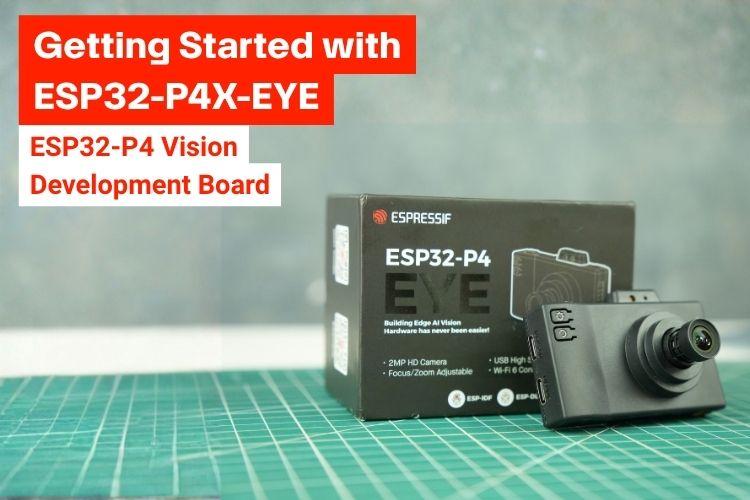
Getting Started with ESP32-P4X-EYE: ESP32-P4 Vision Development Board Vision development boards are useful when an embedded project needs to combine image capture, local display, audio input, storage and wireless connectivity in a single platform. The ESP32-P4X-EYE takes this approach around the ESP32-P4, adding an ESP32-C6 wireless module, a 2MP MIPI-CSI camera, a 1.54-inch SPI LCD, a digital microphone, MicroSD storage, USB… |
