
By textbook definition, Embedded Electronics can be defined as a system that “Integrates Hardware circuitry with software programming techniques to provide real-time solutions”. From age old pocket calculators to advanced automobile and security devices the applications of Embedded System continue to show a strong progress.
In this section we will discuss about the various embedded controllers and embedded development platforms including, but not limited to Arduino, Raspberry Pi, NodeMCU, ESP32, Microchip, AVR, ARM, MSP430, STM32, STM8S, Nuvoton etc. It also updates the readers with latest Embedded News and technology trends to help them plan and design their Embedded Projects with ease.
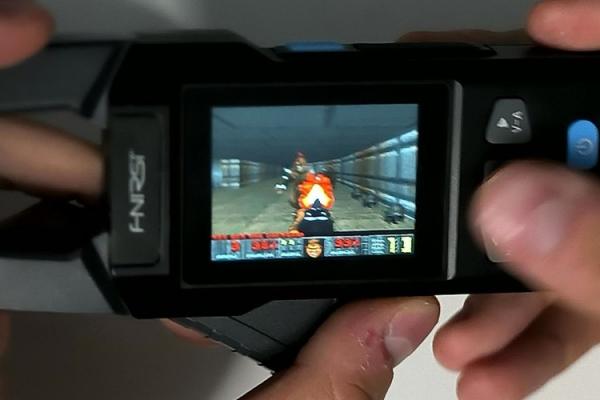
Running DOOM on odd hardware is an old tradition, but Artur Bieniek has picked one of the tightest targets yet: the FNIRSI DMC-100, a budget clamp meter built around an Artery AT32F415 microcontroller with just 32 KB of RAM. His open-source port of doomgeneric plays the whole first episode of Freedoom on the meter's 320x240 colour screen, with sound effects on the buzzer, and it averages 29…
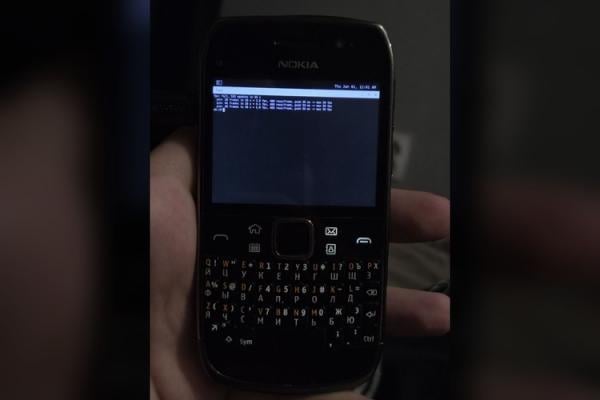
The Nokia E6, the 2011 Symbian business phone with a QWERTY keypad and a 640x480 touchscreen, is getting a second life as a Linux machine. Developer fluffleswaffles has brought up Linux 6.12 on it. The project's milestone log starts with a first boot to a BusyBox shell on 13 October, and the kernel now drives the phone's own display, runs the Wayland compositor weston with the foot terminal,…
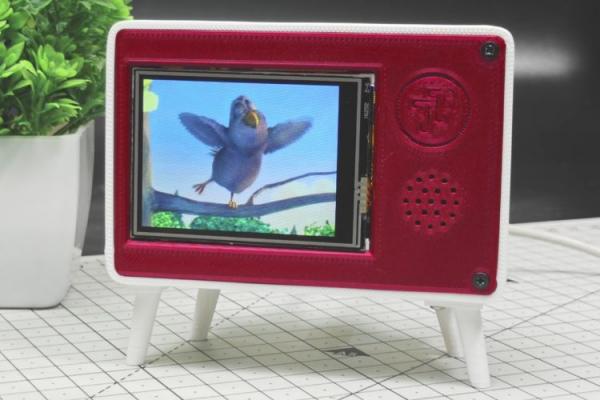
In an era where microcontroller boards are becoming increasingly powerful, Tech Talkies recently showcased an interesting use for the versatile ESP32-S3 chip by turning it into a fully functional, pocket-sized retro television. Leveraging the display and audio capabilities of modern hobbyist hardware, the project demonstrates how low-cost microcontrollers can easily drive video playback and…
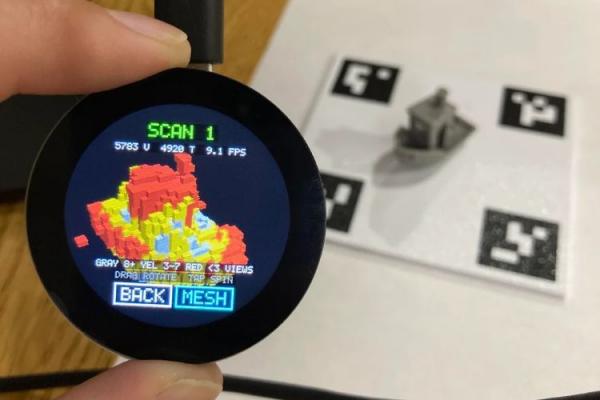
A recent project shared on reddit - r/esp32 showcases how much computer vision potential can be squeezed out of inexpensive, low-power hardware. Built around a Seeed Studio XIAO ESP32-S3 board paired with its dedicated round screen extension, the handheld device doubles as a self-contained 3D object scanner. Originally intended as a platform for an augmented reality game, the creator pivoted…
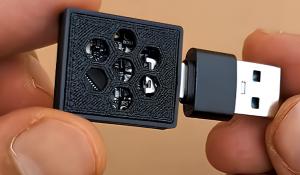
The ESP32-C3 AdBlock is an open-source project that turns a low-cost ESP32-C3 microcontroller into a DNS-based ad blocker and tracker system. DNS helps devices find the IP addresses of websites and online services. This project checks DNS requests against a blocklist of known advertising and tracking domains. If a domain is blocked, the ESP32-C3 returns 0.0.0.0 instead of its real IP address.…
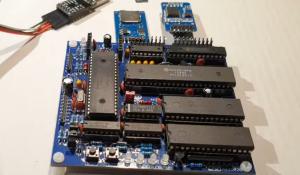
The 68k-MBC is a homebrew single-board computer built around the Motorola 68008 processor, running at 8 MHz. What makes it interesting is that it can be built in two versions, Lite and Full. The Lite version keeps the hardware very simple, using three main ICs: the 68008 CPU, a PIC18F47Q10 microcontroller, and SRAM. It supports 128 KB or 512 KB of RAM and can run CP/M-68K. The Full version…
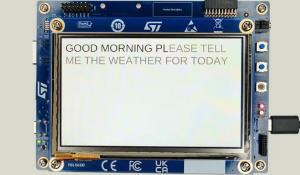
The STM32N6 is being used to run an offline speech recognition system that can turn spoken English into text without a network connection. The project runs on the STM32N6570-DK, using its onboard microphone to capture speech and its display to show the recognized words. This system is designed to recognize different English words. At the core is the STM32N6's Arm Cortex-M55 and its ST Neural-…
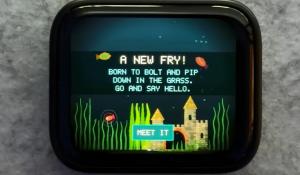
Pocket Tank is an open-source virtual fish tank that uses a small AI model to control its virtual fish. It runs on an ESP32-S3 and creates a small aquarium where fish can eat, explore, rest, follow other fish, play, and interact with each other. Each fish has different values such as hunger, energy, curiosity, stress, boredom, and trust, which can change how it behaves. The project was created…
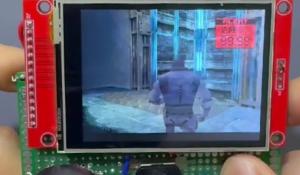
David Montero Crespo, creator of Velxio.dev, has managed to run the classic 1998 PlayStation game Metal Gear Solid on the tiny, low-cost microcontroller board - the Seeed Studio XIAO ESP32S3 Sense. Instead of emulating the old PlayStation hardware, the project rebuilds the game from its reversed C source code and compiles it directly to run on the ESP32-S3’s processor. The game data is stored…
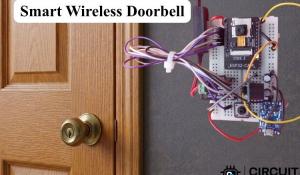
Missing a visitor at the front door usually means missed package deliveries, keeping friends waiting outside, or missing unexpected guests. Standard doorbells only work if we happen to be sitting nearby and the chime is loud enough to hear. If we are stuck in a work meeting, listening to music with headphones, or away from home, it is easy to miss the ring, leaving…
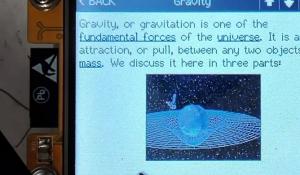
Alun Morris’s Offline-Wikipedia using ESP32 is an open-source project that turns the inexpensive ESP32-2432S028, commonly called the “Cheap Yellow Display” or CYD, into a standalone Wikipedia reader. The hardware combines an ESP32 microcontroller with a 320×240 ILI9341 color display, an XPT2046 touchscreen, and a microSD card interface. Instead of depending on Wi-Fi or cloud services, the…
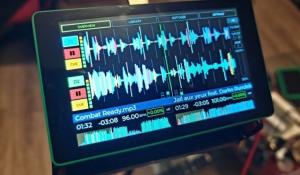
A maker has built a standalone DJ system using the ESP32-P4, allowing a Pioneer DDJ-FLX4 DJ controller to work without a laptop running DJ software. The open-source Pajoniiir project uses a Guition JC4880P443C_I_W board with an ESP32-P4 and 4.3-inch touchscreen. It reads music from a USB drive exported from Rekordbox and supports MP3, WAV and FLAC files. The system can run two DJ decks at the…
