
Open Source
|
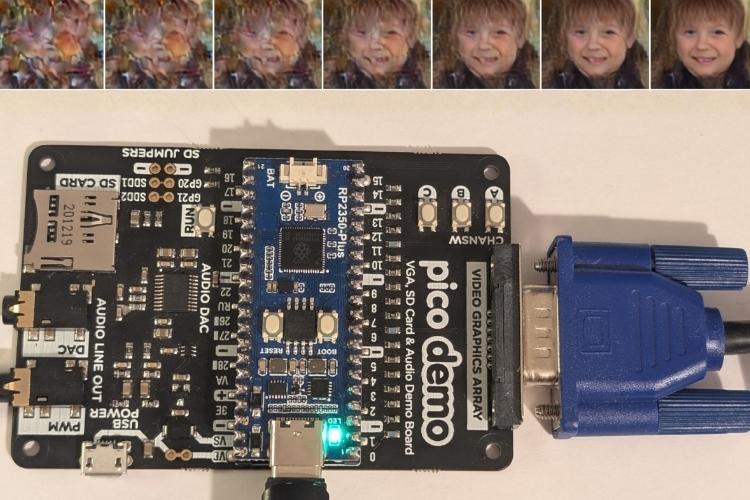
He Trained a 2.9M-Parameter AI Image Generation Model, Ran It on a $1 RP2350 Chip and Open-Sourced the Project Generative AI image models usually require powerful processors and large amounts of memory, but a new project demonstrates that image generation can be pushed onto a small microcontroller. Tim, from Tim’s Blog, has implemented a generative AI image model on the RP2350, the microcontroller used in the Raspberry Pi Pico 2. Running on a Waveshare RP2350-Plus board, the system can generate 128×128… |
|
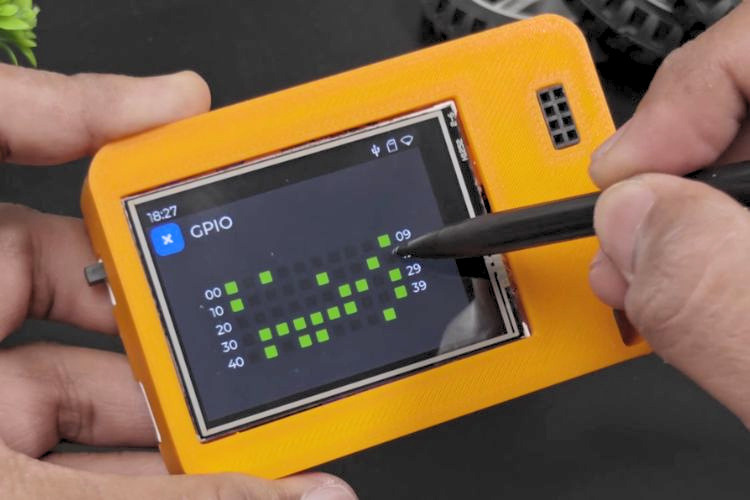
Maker Turns an ESP32 S3 Into a Pocket PC by Porting Open Source Tactility OS to a 2.4 Inch Touch Display This project transforms a compact MaTouch Lite development board into a fully functional, portable touchscreen computer. The project uses an ESP32-S3 microcontroller, featuring 16MB of flash and 8MB of PSRAM, which provides the necessary performance to run a graphical environment. By integrating a 2.4-inch resistive touchscreen and a microSD card for storage, the creator successfully… |
|
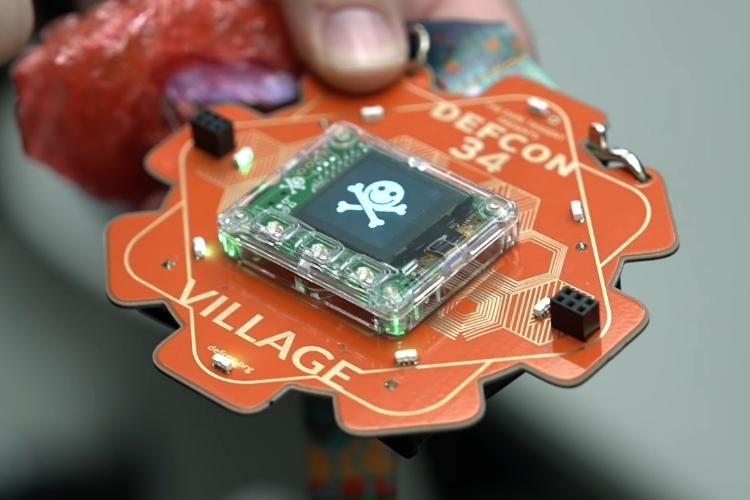
DEFCON 34's Badge Had a Hackable Open-Source Chip You Could Shine Infrared Through to Inspect Its Design Every year, DEFCON’s electronic badge becomes one of the most talked-about pieces of hardware in the security community, and the DEFCON 34 badge pushes that tradition further. The badge acts as an electronic identity and interactive device for conference attendees, helping them participate in DEFCON activities, access badge-related challenges and interact with other attendees. Designed by… |
|
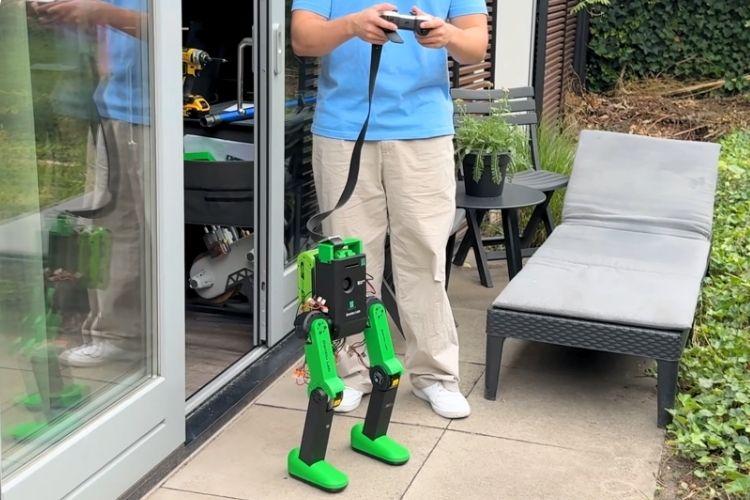
Maker Builds a Fully 3D-Printed 6-DOF Bipedal Robot “Stompy” Using NVIDIA Jetson in Just 3 Days In an impressive display of rapid prototyping and engineering grit, creator Kayden Knapik successfully designed, built, and programmed a fully 3D-printed bipedal robot named Stompy in just 3 days. Utilizing the Bambu Lab P2S 3D printer, Knapik fabricated the robot's structure from scratch. The mechanical design features six degrees of freedom three per leg powered by six Robstride 02 motors,… |
|
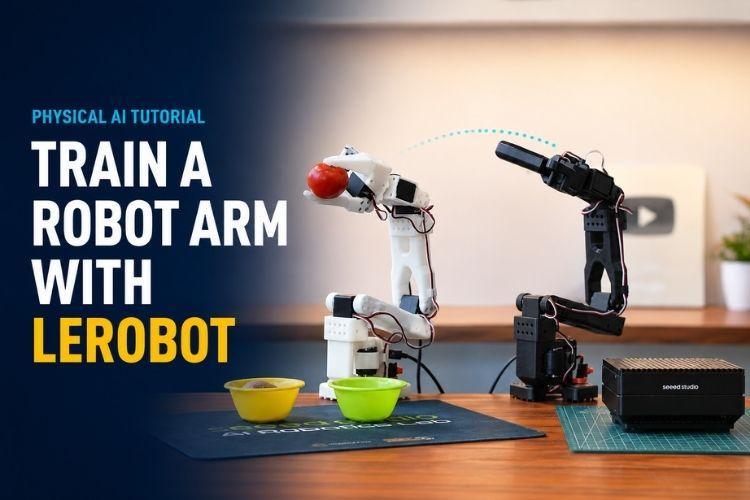
Physical AI Tutorial: Train the SO-ARM101 Robot Arm with LeRobot and Jetson Orin NX In this Physical AI tutorial, we will train a real robotic arm using Hugging Face LeRobot and imitation learning. The project uses the Seeed Studio SO-ARM101 leader–follower robotic arm and a reComputer J4012 powered by NVIDIA Jetson Orin NX. … |
|
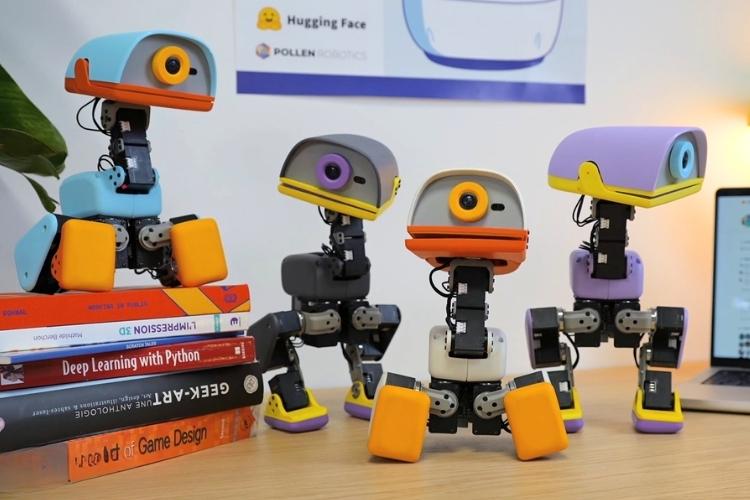
This MicroDuck Robot Based on an RK3566 Has No Arms but Picks Things Up Using AI and Reinforcement Learning Hugging Face and Pollen Robotics just launched a tiny robot that could change how people learn robotics at home. Called Microduck, this 25cm tall, 780 gram biped robot is built specifically for reinforcement learning and physical AI and it costs just $399. Unlike Reachy Mini, which was designed primarily around interaction and conversational AI, Microduck focuses on physical movement and… |

|
Cat Collar Fits Two AI Models' Runtime Memory Into 48KB of Its 256KB RAM by Never Running Them Together An open source project called Meowtion packs two on device AI models onto a single microcontroller with only 256KB of RAM, using a scheduling trick rather than model compression to make it fit. Built by Jerome Graves and documented on Hackaday.io, the wearable collar tracks a cat's eating, drinking, and resting behaviour to flag early changes that can precede illness. The collar runs on… |
|
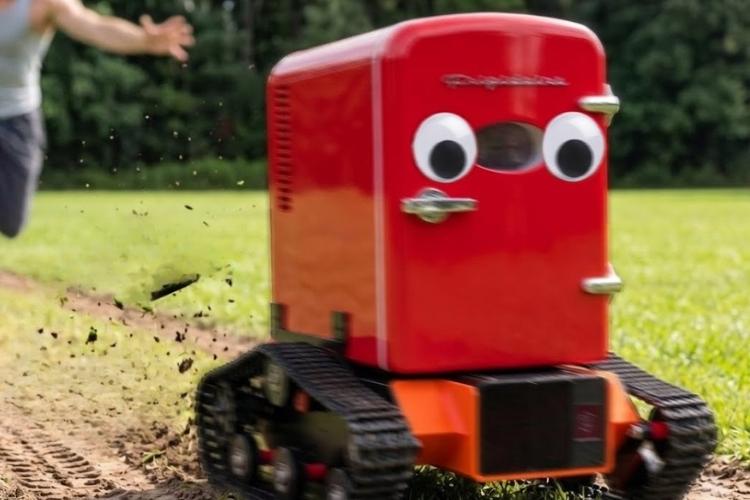
Engineer Turns Mini Fridge Into a SLAM-Guided Tank Robot You'd Have to Chase for a Cold Drink Engineer Dorian Todd has built a self-driving mini fridge on tank treads that can autonomously chase or flee a person and reward them with a cold drink if caught. The project replaces the fridge's standard base with a tracked drivetrain powered by Repeat Robotics Ultra Mark II brushless gear motors designed for 12 lb combat robots. Todd 3D scanned both the metal tread assembly and the… |
|
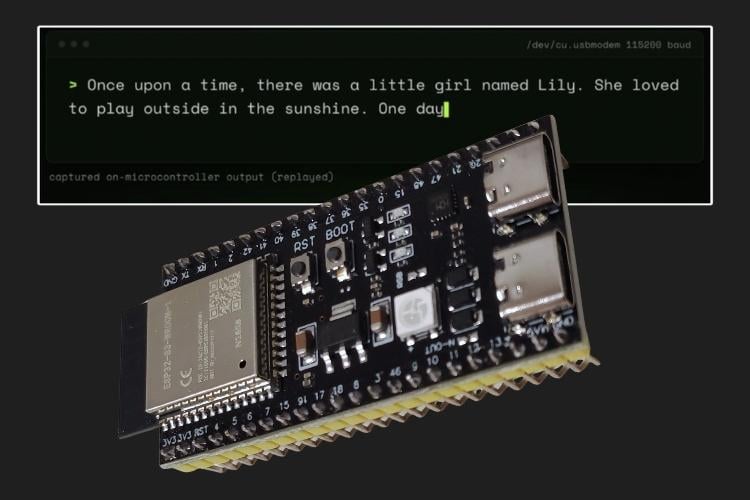
ESP32-S3 Runs a 28.9-Million-Parameter LLM, Borrowing a Memory Trick From Google's Gemma Developer slvDev has published an open-source project that runs a 28.9-million-parameter language model directly on an ESP32-S3, a microcontroller that costs roughly $8. The model runs entirely on the chip itself, with no data sent to a server, generating text at roughly 9 tokens per second and outputting it to a small connected display. The achievement stands out because of how little working… |
|
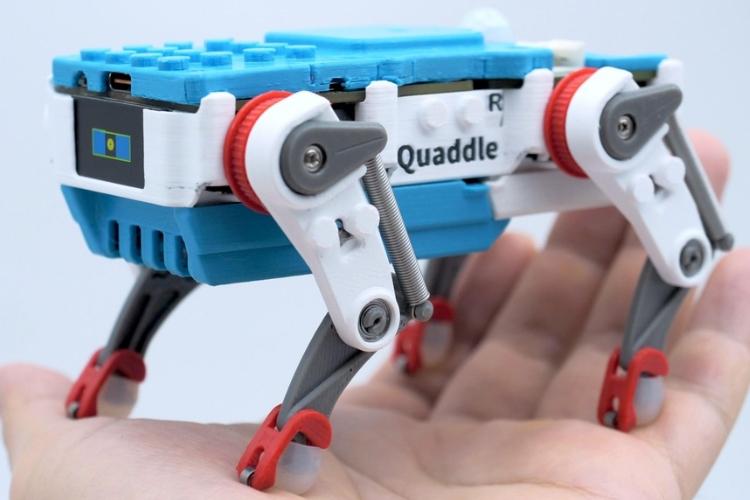
Quaddle Is an Open-Source Desk Robot That Can Move Omnidirectionally With Just 4 Servos Petoi, the team behind the open-source Bittle and Nybble quadruped kits, has opened early access for its next robot, Quaddle. The company describes it as a four-servo quadruped capable of walking, strafing sideways, and spinning in place, a claim that stands out mainly because of how few actuators it uses to pull it off.
Most legged robots that can… |

|
Need a Custom Motor Coil? This Open-Source Machine Has You Covered Winding electromagnetic coils by hand is a slow and challenging process, especially when you're trying to achieve neat, consistent turns for motors or actuators. To solve this problem, creator BubsBuilds designed an open-source automated coil winding machine that can produce custom coils based on specific project requirements. Originally built to support the… |

|
Bengaluru's QpiAI Open-Sources Its Quantum SDK QpiAI, described as a full-stack quantum computing company based in Bengaluru, India, has released the QpiAI Quantum SDK as open-source software, available at github.com/qpiai/quantum-sdk. The toolkit gives developers, researchers, and startups a way to build and run quantum algorithms and connect their workflows to QpiAI's 8-qubit and 25-qubit quantum computers through QpiAI-QCloud. The SDK… |
