
Find the latest electronics industry news covering new electronics components releases in various electronics domains such as embedded, power electronics, analog, digital, IoT and Automotive industries.
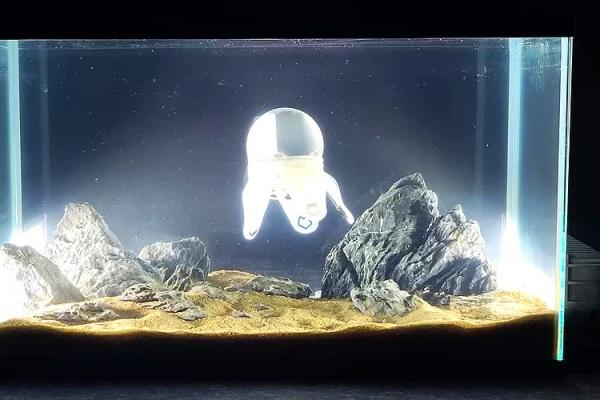
Three years ago, designer Robert Skinner sketched an idea he admits was a bit stupid: an aquarium where every creature is a robot and everything runs on solar power, with no human intervention. He has now built the first resident, a translucent robot jellyfish whose bell is skinned with small solar panels. It sinks, gathers light from the lamps around the tank, and pulses its way back up,…
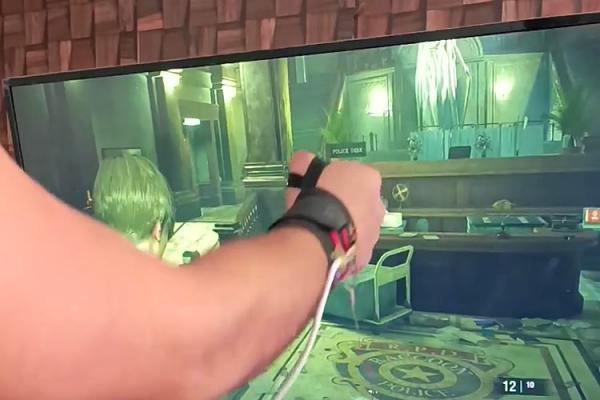
Thumbsticks are the one part of a game controller nobody questions. A Reddit maker who posts as Dmy1703 decided to question them anyway. Over five weeks he has been building EXO-RIG, a homemade harness of ESP32 boards and motion sensors that lets him play Resident Evil on a PC by moving his body instead of his thumbs. In his latest test, even aiming is triggered with zero hands on the…

Seeed Studio is bringing its Black Friday 2026 campaign, “Black Friday, Bigger Possibilities,” to robotics developers, makers, and engineers looking to start or expand their next Physical AI project. This year, the spotlight is on three robotic arm products, with limited-time discounts available from November 16 through November 30.
SHOP BLACK FRIDAY DEALS…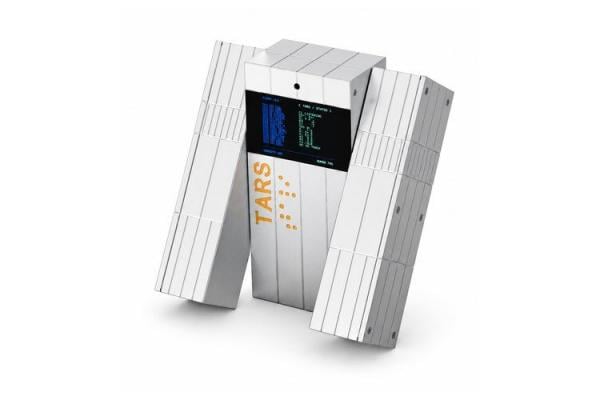
TARS, the slab-shaped robot from Interstellar, is remembered as much for the way it moves as for its jokes. LuwuDynamics, the company behind the XGO robot dogs, has released RIG-TARS, a $99 open-source desktop robot kit that copies that segmented walk with three servo-driven columns and adds an ESP32-S3, a terminal-style display and LLM voice chat.
Key specs Controller: ESP32-S3 (Wi-Fi,…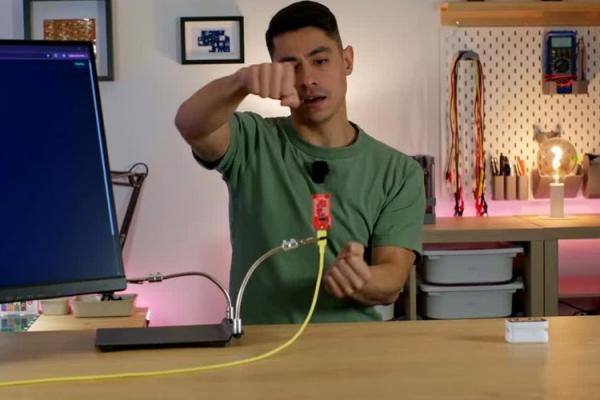
A radar that can see your chest move by a fraction of a millimetre is good at more than presence detection. The team behind the nktbuilds channel took a roughly $50 SparkFun XM125 board with an Acconeer A121 60 GHz radar, first used it to read a heartbeat without contact, and then turned two empty hands into an invisible steering wheel that drives a car in GTA V.
…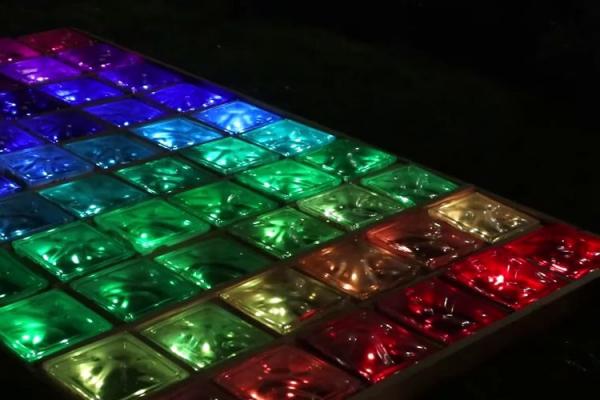
Most LED matrix builds sit on a desk. Maker Lorraine Underwood of element14 Presents had 60 old glass bricks sitting in her garage for four years, and turned them into a 6 x 10 pixel display set into her front garden, with 240 RGB LEDs, a Raspberry Pi Pico and a web page that lets the neighbours play Tetris on it.
From one brick to sixty
She started…
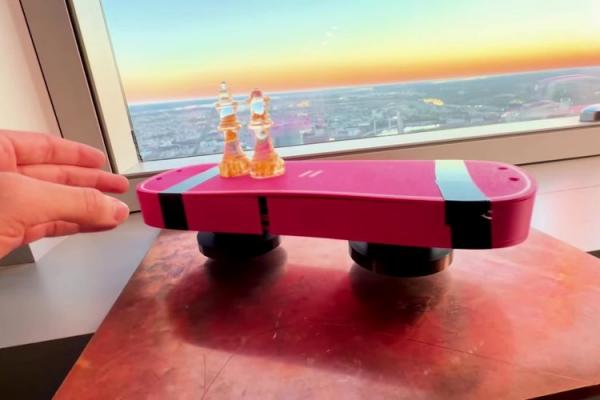
A hoverboard that actually leaves the ground has been a maker dream since Back to the Future, and most attempts end up as either a wheeled scooter or a drone you stand near. YouTuber Jake Rogers has built a battery-powered mini hoverboard that floats over a copper sheet with no wheels, no propellers and no power cable, using nothing more exotic than two brushless motors spinning rings of…
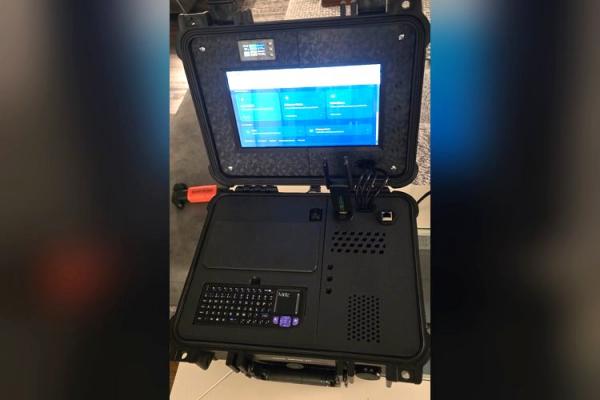
When the power or the internet goes down, most of the information we rely on goes with it. Reddit user cameron_chill spent several months building a rugged, battery-powered Raspberry Pi 5 computer that keeps it all local: offline Wikipedia, worldwide maps, GPS, a software-defined radio and its own Wi-Fi network, running for more than 24 hours on a single charge.
What is inside the case…
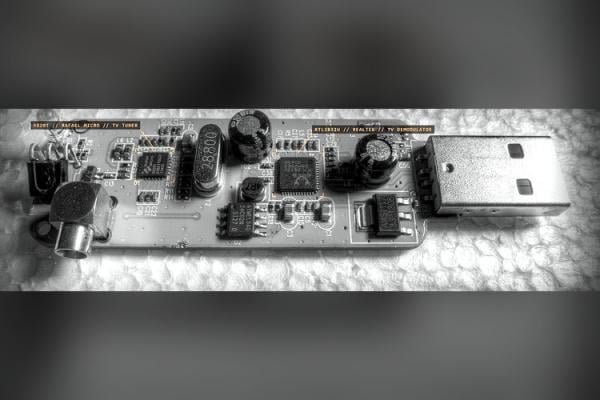
For more than a decade, a roughly 30 dollar USB dongle has been the way most people start with software-defined radio. Engineer Patrick Quirk now argues in a detailed post that this era is ending, because the tuner chips inside the cheapest SDRs are going out of production. He found out while designing a Raspberry Pi CM5 carrier with an SDR on board, when the radio chips it needed could not be…
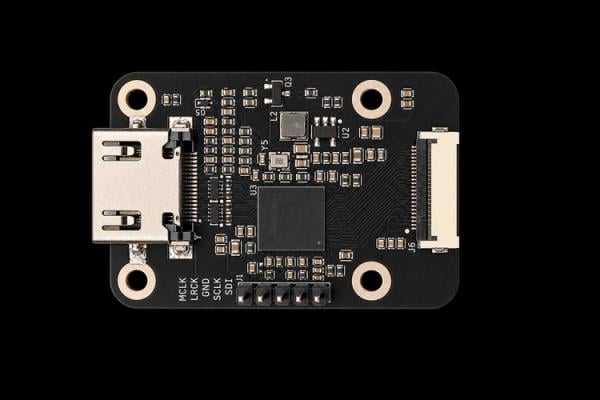
Capturing HDMI video on a Raspberry Pi, for a PiKVM-style remote console, a stream box or a test rig, has long meant a TC358743 bridge board limited to 1080p at 30 to 60 frames per second. Engineer adouglass52 has released three open-hardware HDMI to MIPI CSI-2 boards built around the Rockchip RK628H that reach 4K30 and 1080p120 on a single 4-lane link, with drivers that run on standard…
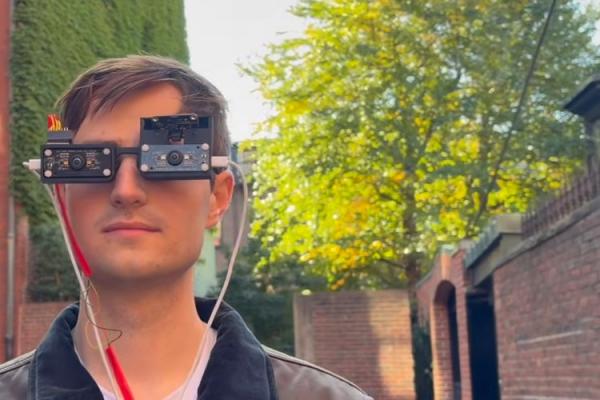
Blind and low-vision people today mostly rely on a white cane or a guide dog. Maker DebackTech wanted to see if a low-profile wearable could add a sense of the space around them, and built a pair of glasses with three small LiDAR sensors that turn distance into touch through 16 vibration motors sewn into a shirt. He then tested them in downtown Boston and in a blindfolded game of catch.
…
Filming a bumblebee in flight at high speed is hard because the bee will not stay in a tiny, razor-thin focus zone. Maker and engineer Jeremy Fielding spent about a year building a robot that solves this: a cinema camera on a motorised rail that finds a bumblebee, follows it and keeps it in focus automatically. The finished rig was shipped to a bumblebee research team in Berkeley, California,…