
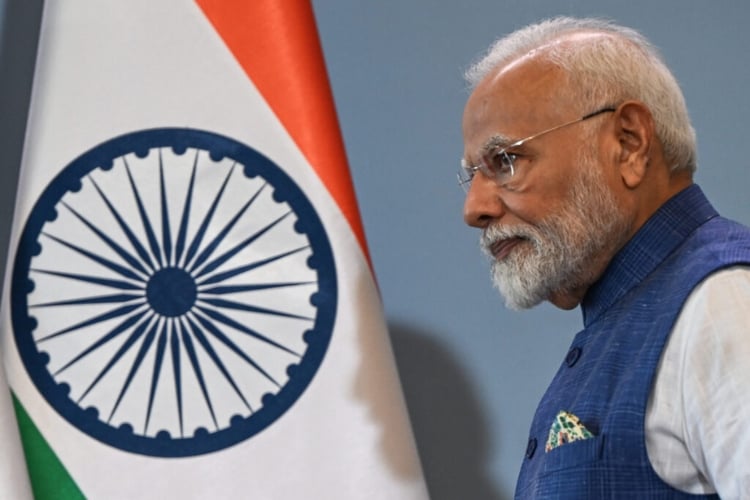
The Union Cabinet, chaired by Prime Minister Narendra Modi, approved Semicon 2.0 on July 15, 2026, with a total budget outlay of ₹1,27,500 crore. Electronics and Information Technology Minister Ashwini Vaishnaw said the program covers the entire value chain of the semiconductor ecosystem and rests on six pillars: chip design, manufacturing of machines and materials, fabrication plants, research, strengthening the assembly, testing, marking and packaging industry, and talent development.
Modi said, "The Cabinet has approved Semicon 2.0 with an outlay of Rs 1,27,500 crore, reaffirming our long-term commitment to making India a global centre for semiconductor design, manufacturing and innovation." He said the program would "attract greater investment, create high-value opportunities for our youth, strengthen supply chains and advance technological self-reliance in critical sectors." Vaishnaw said the government aims to be "self-reliant in the production of indigenous chips by the end of this programme."
Under the earlier Semicon 1.0 program, which had an outlay of ₹76,000 crore, the government approved 12 manufacturing projects with cumulative investments exceeding ₹1.64 lakh crore, including one silicon fab, one silicon carbide fab, one gallium nitride micro LED display fab, and nine packaging units. Of these, Micron, Kaynes and CG Semi have started commercial production, with one more unit expected to begin operations in 2026. The government also said 24 semiconductor design projects have received support, 105 startups and MSMEs have been given access to industry-standard chip design tools, and 315 universities have trained around 68,000 students in chip design.